
Application
Powder Sampling
Answer in brief
Powder sampling is the controlled collection of material for testing. The sampling plan determines whether the result can represent the lot or process. The device then has to collect the required mass without changing the sample, contaminating the product or releasing hazardous dust.
Reviewed July 26, 2026 · Updated October 8, 2026
Sponsored visibility
Featured Powder Sampling videos
Paid placements are clearly marked and remain separate from the editorial related-video selection.


Hecht Technologie GmbH
HECHT: Containment Sampling Stick – Closed Sampling up to OEB 5
HECHT presents the handling sequence for its CPS disposable containment sampling system.
Total reach: 27,009
This featured spot is open
Show your video here, in front of engineers who are researching this topic.
The problem
Desired outcome
Process approach
Powder sampling connects process knowledge with laboratory analysis. The laboratory can only characterize the material that reaches it. If the collected portion does not represent the relevant lot, container or process stage, precise analysis can still support the wrong conclusion.
No device can make an unsuitable sampling plan representative. Sampling strategy, equipment design and analytical method must be developed as one chain of evidence.
Start with the decision the sample must support
Define whether the sample is intended to confirm identity, estimate composition, assess blend uniformity, investigate contamination or monitor a process. Each objective can require a different location, timing, sample mass and statistical plan.
FDA guidance for pharmaceutical components states that the number of containers and the amount collected should reflect material variability, required confidence, precision and supplier history. It also requires representative and scientifically sound sampling plans.
Why powders are difficult to sample
Powders can segregate during filling, transport and discharge. Differences in particle size, density or shape can create local concentration changes. A sample from one convenient point may therefore describe that point rather than the complete lot.
FDA guidance on powder blends also notes that traditional thief sampling can disturb the powder bed, promote segregation or introduce other sampling errors. The method has to be evaluated for the actual material and objective.
Design the sampling plan before selecting the sampler
The population of interest may be a delivered lot, one container, a mixer batch or a moving process stream. Define that boundary first. Then identify where variation can arise: between containers, through the depth of a vessel, across a blend, during filling or as material segregates in transfer. Sample locations and times should address those mechanisms rather than only the easiest access point.
Specify the analytical decision, required confidence, sample mass, number of increments and rules for combining or retaining them. A composite sample can estimate an average while hiding a local deviation. Individual samples preserve location or time information but increase analytical work. The plan should explain which information is needed.
The plan also has to cover the practical basics:
- Collect enough material for analysis, repeats and any required reserve sample.
- Protect the sample from contamination, moisture change and loss of fines.
- Control dust release and exposure according to the material hazard.
- Record the device, location, time, operator and handling steps.
Control bias at the material-device interface
A sampler should admit the relevant particle range without preferentially losing fines or excluding coarse particles. Its opening, internal volume and insertion method can disturb the bed. In a flowing stream, the device should intercept the intended cross-section and operating period. In a static bed, insertion depth and withdrawal can create a path that favors particular material.
Representative trials compare sampling methods or locations against the known process history where possible. Record powder condition, fill level, device orientation and operator technique. Repeatability between operators does not by itself prove that the result represents the lot.
Preserve the sample after collection
Transfer and storage can change moisture, volatile content, particle distribution or contamination state. Select a compatible container and closure, minimize uncontrolled handling and label the sample with lot, source, location, time, method and operator. Define storage conditions, maximum hold time and chain of custody where the analytical decision requires them.
Clean reusable equipment with a verified method and inspect it before use. Disposable product-contact parts reduce some cleaning tasks but still require material compatibility, controlled opening and disposal. Reserve samples need the same identity and preservation controls as the portion sent immediately to the laboratory.
Contained sampling changes the engineering duty
When a powder is potent, toxic, sensitizing or otherwise hazardous, the sampler is also a containment interface. Map every step from connection through collection, sealing, disconnection, external cleaning and transfer to the laboratory. Define the exposure target and the evidence needed to demonstrate the procedure. Process pressure or vacuum, liner movement and a damaged seal can change the containment duty.
An enclosure or contained connection can restrict access to the desired sampling locations. Resolve that conflict in the plan rather than accepting a safe but systematically biased sample. Abnormal-event instructions should cover a failed seal, dropped sample, blocked device and material remaining in the sampler.
Commission the complete sampling workflow
Conduct a witnessed run using the intended material, container or process connection and operator procedure. Verify sample recovery, labeling, external surface control, cleaning or disposal and transfer to the laboratory. Where containment is critical, use an appropriate occupational-hygiene or surrogate method rather than judging visible dust alone.
Review analytical results for implausible location or operator effects and investigate the sampling step before changing the process. Reassess the plan when supplier, particle distribution, container, process sequence, sampler or analytical method changes. The approved procedure should state both the technical sampling basis and the safe operating boundary.
Engineering visual guide
How the system behaves
These conceptual diagrams connect the operating principle, equipment internals and engineering review points. They are explanatory and not fabrication drawings or a substitute for project-specific calculations.
Engineering infographic
Source-to-destination process flow
Conceptual source-to-destination process flow for Powder Sampling; use it to structure an engineering review, not as a fabrication drawing or project-specific design.
Selection factors
Engineering infographic
Engineering input and decision path
Conceptual engineering input and decision path for Powder Sampling; use it to structure an engineering review, not as a fabrication drawing or project-specific design.
Common failure modes
- Biased sampling location
- Insufficient sample mass
- Powder bed disturbance
- Cross contamination
- Loss of fines
- Uncontrolled operator exposure
Engineering infographic
Fault recovery and acceptance workflow
Conceptual fault recovery and acceptance workflow for Powder Sampling; use it to structure an engineering review, not as a fabrication drawing or project-specific design.
Partner with powderbulkvideos.com
Put a relevant technical solution in this decision path.
Connect your company and video evidence with clearly labelled visibility where engineers evaluate this material, application, industry or product.
Frequently asked questions
What makes a powder sample representative
The sampling plan must address the population being tested, expected variability, location, timing and required sample mass. The device must then collect and preserve that material without introducing bias.
Why can powder thief sampling be unreliable
Insertion and withdrawal can disturb the powder bed, lose fines or favor material at particular depths. FDA recommends evaluating the reliability of the chosen method for the actual blend and objective.
When is contained powder sampling needed
Contained sampling is considered when opening the process or container could expose people, release dust or contaminate the material. The required arrangement follows the hazard and defined exposure target.
Related content
Continue exploring
Move from this page to the companies, videos and technical topics that add useful context.
Companies
Videos
Hecht Technologie GmbH
HECHT: Containment Sampling Stick – Closed Sampling up to OEB 5
HECHT presents the handling sequence for its CPS disposable containment sampling system.
Total reach: 27,009
Sentry Equipment
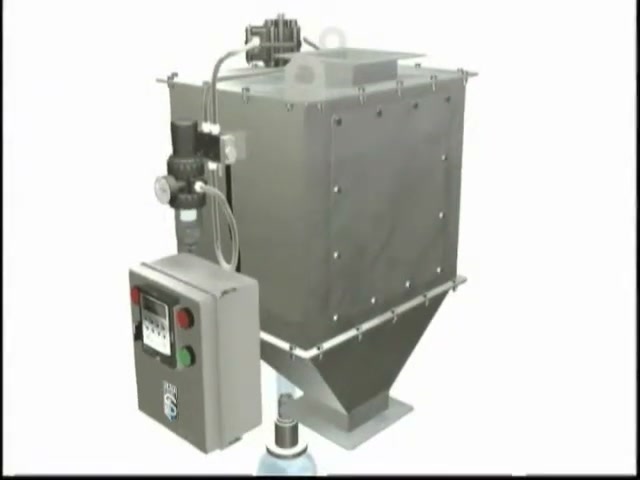
How a Sentry Cross-Cut Solid and Powder Sampler Works
Sentry Equipment shows the Model SA sampler, which cuts a sample across a falling stream of free flowing material in a vertical spout or chute.
Total reach: 3,287
Sentry Equipment
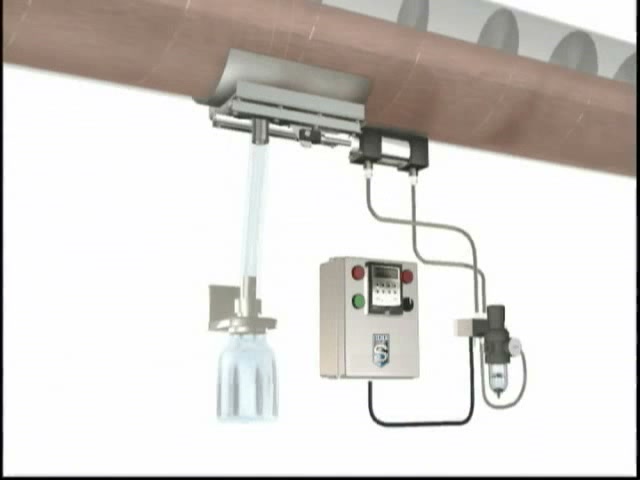
How a Sentry Model A Solid and Powder Automatic Sampler Works
Sentry Equipment shows the Model A sampler, which takes samples of free flowing material automatically from a screw or drag conveyor.
Total reach: 4,724
Bürkle GmbH
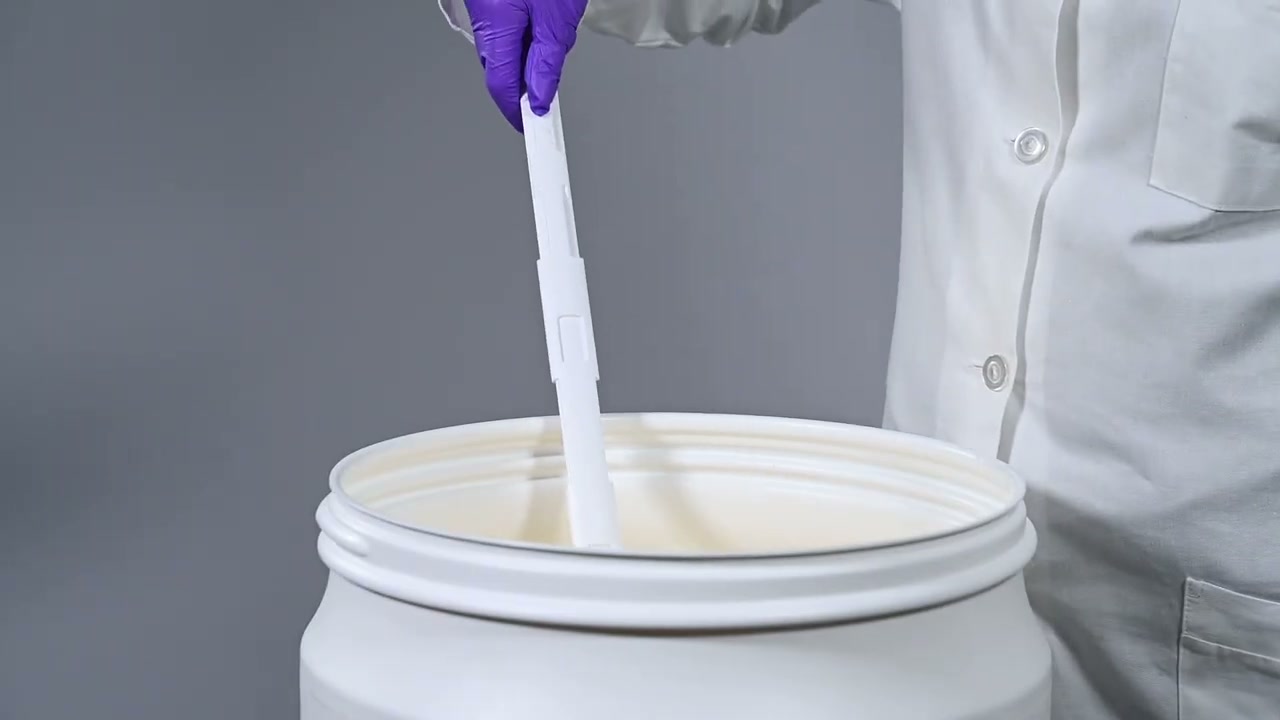
PharmaDispo Disposable Powder Sampler
Bürkle shows the PharmaDispo, a disposable powder sampler that takes three separate samples from different depths of a container in a single pass.
Sampling Systems
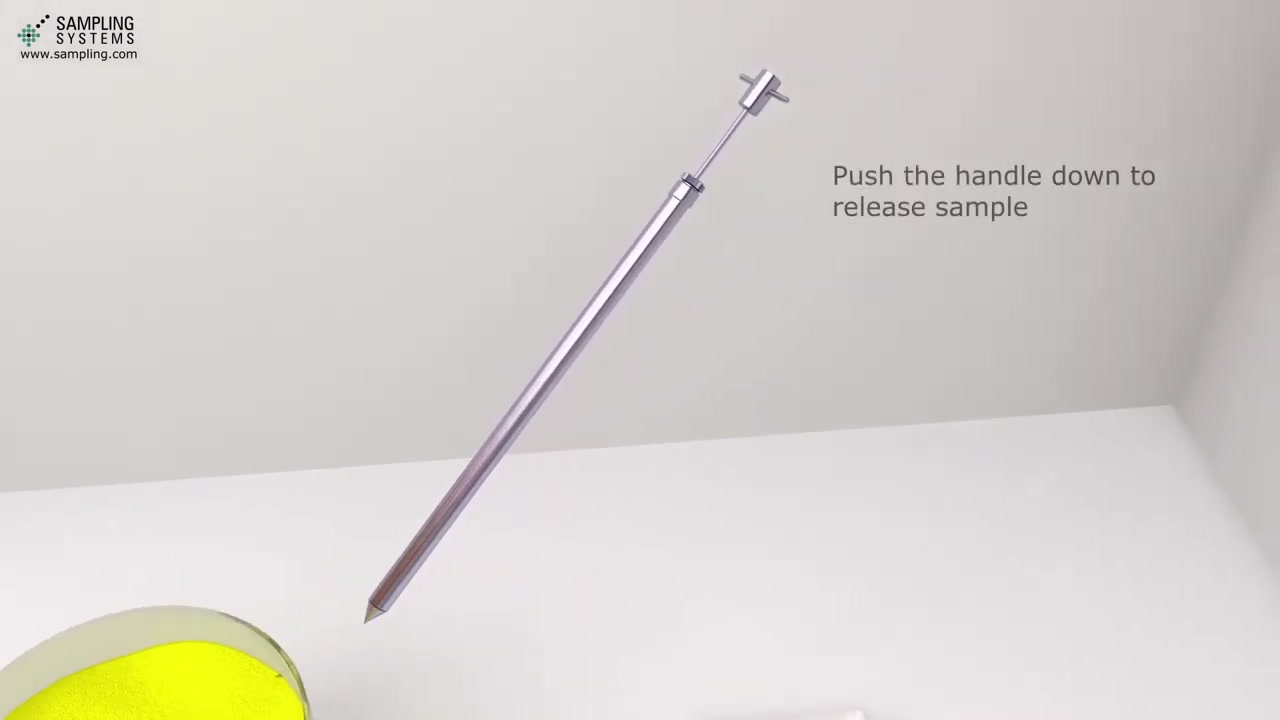
Powder Thief
Sampling Systems shows the powder thief, the hand tool used to take a sample from a defined depth inside a container of powder.
Total reach: 14,343
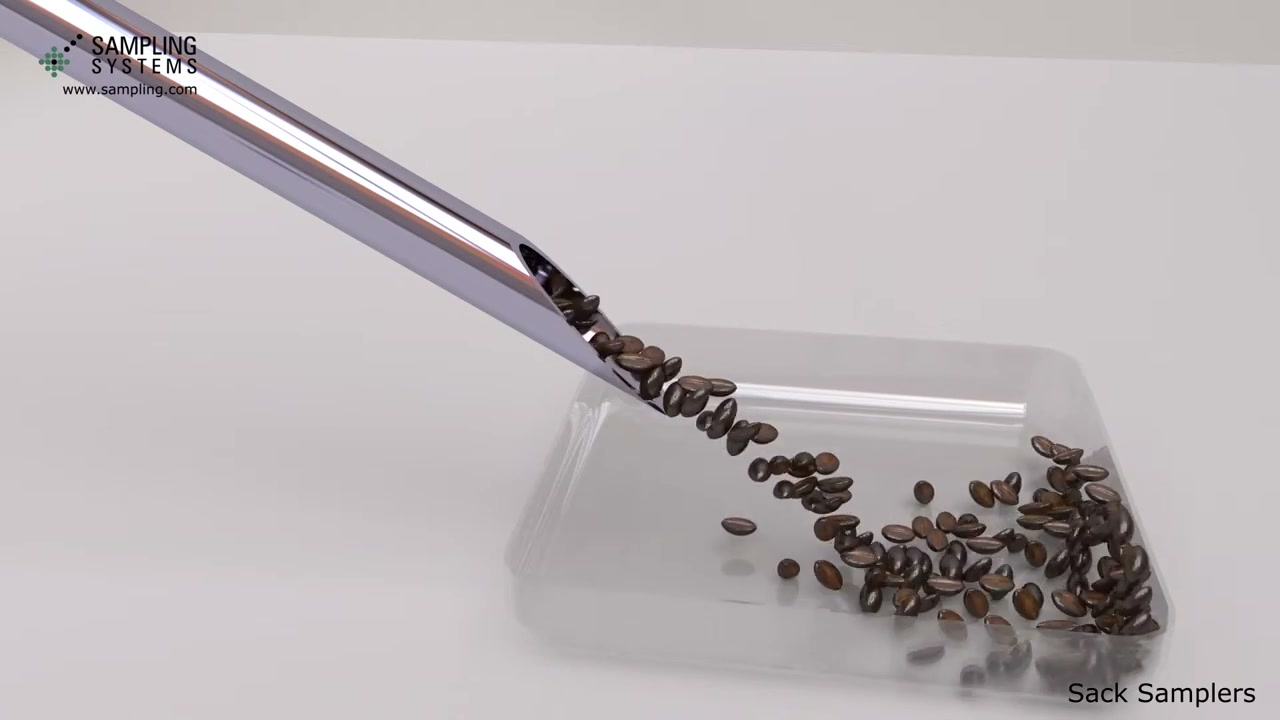
Sampling Systems
Sack Samplers
Sampling Systems shows its range of sack samplers for taking samples from bags, sacks and big bags of powder and granular material.
Total reach: 7,796