
Material
Rubber Crumb
Answer in brief
Rubber crumb behaves unlike any mineral granule of the same size, because the particles are elastic and electrically charged.
They bounce rather than settle, cling to surfaces and carry textile fibre that blinds screens within hours.
- Plan for static, because grounding alone does not stop the cling.
- Expect screen blinding and specify cleaning mechanisms.
- Remove steel and fibre as early in the line as possible.
Reviewed October 21, 2026 · Updated November 10, 2026
Handling challenges
Tyre recycling lines look like mineral processing plants and behave nothing like them.
Elasticity and static
Rubber particles rebound at transfer points and spread beyond the intended path, and dry conveying charges them strongly.
- Enclosed transfers with generous clearances so bouncing material stays inside.
- Grounded, conductive components and controlled humidity where practical.
- Belt and vibratory conveying in preference to long pneumatic runs.
Screening and blinding
Textile fibre liberated during granulation wraps around screen wires and blinds the deck quickly.
Screens with ball decks, brush cleaning or ultrasonic systems keep the aperture open, and fibre separation upstream reduces the load.
Steel removal
Residual bead and belt wire damages granulators and contaminates the product.
Magnetic separation at several points along the line is normal, with the final check immediately before packing.
Fire risk
Rubber dust and fibre are combustible, and stored crumb piles can self-heat.
Dust collection with explosion protection and controlled pile sizes are the usual measures.
What to establish before buying equipment
- Target particle size range and the fibre content at that cut.
- Steel content and the separation stages planned.
- Bulk density, which is low and affects silo and bag sizing.
- Dust collection and explosion protection for the granulation area.
Storage and conditioning
Rubber crumb is elastic, light and charges strongly, which makes it behave unlike any mineral granule.
It bounces rather than settles, it clings to surfaces through static, and residual steel and textile fibre from tyre recycling cause problems far downstream.
- Expect poor settling: a silo holds less than its volume suggests.
- Earth and bond; static makes crumb cling and makes dust collection harder.
- Verify steel and fibre removal upstream rather than discovering it in the process.
What this means for equipment
Elasticity and static set the design.
Crumb bounces at transfer points and escapes from open chutes, and it packs in tight clearances rather than flowing through them. Screw conveyors need generous clearances; pneumatic transfer needs conductive components.
- Enclosed transfers with generous geometry.
- Conductive, earthed components throughout.
- Magnetic and density separation upstream, verified rather than assumed.
Safety and regulatory
Rubber dust is combustible and a rubber fire is hard to extinguish and heavily polluting.
- Dust collection with explosion protection where fines accumulate.
- Fire planning that accounts for a deep-seated, smoky fire.
- Housekeeping; fine rubber dust accumulates quickly and burns readily.
Material behavior
- Flowability
- Moderate; bouncing and static affect transfer
- Abrasiveness
- Low
- Cohesiveness
- Low, but static causes strong adhesion
- Moisture behavior
- Moisture promotes fibre clumping and screen blinding
- Contamination risk
- Residual steel wire and textile fibre
Partner with powderbulkvideos.com
Put a relevant technical solution in this decision path.
Connect your company and video evidence with clearly labelled visibility where engineers evaluate this material, application, industry or product.
Frequently asked questions
Why does crumb hold less in a silo than expected?
It is elastic and bounces rather than settling into a dense bed, so the achieved bulk density is lower than the material would suggest.
What causes the most downstream trouble?
Residual steel and textile fibre from tyre recycling. Both pass through handling equipment and cause problems in the process that follows.
Why is a rubber fire a particular concern?
It becomes deep seated, burns hot and produces heavy smoke. The fire plan has to account for that rather than treating it as an ordinary dust fire.
Related content
Continue exploring
Move from this page to the companies, videos and technical topics that add useful context.
Companies
Videos
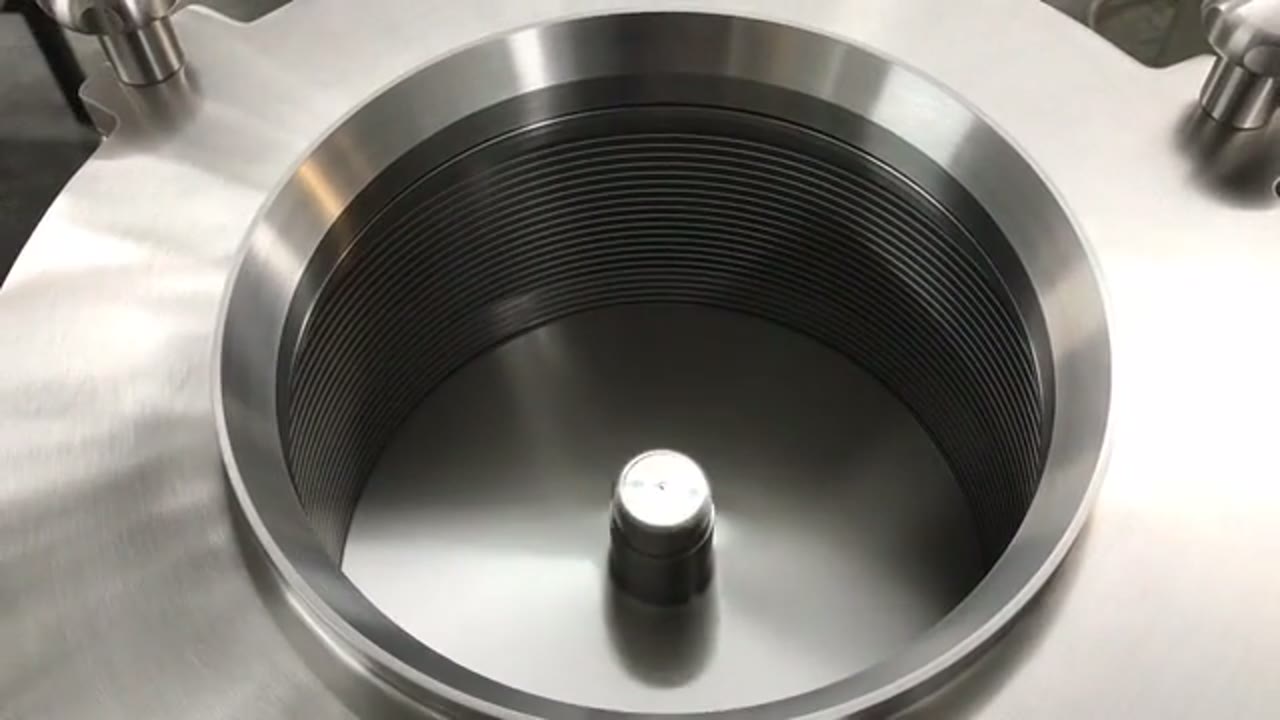
Hanningfield
Hanningfield Centrifugal Sifter (Kwik-Sift)
Hanningfield's Kwik-Sift video walks through centrifugal sifting — rotating assembly, cylindrical screen, and separate discharge paths for product and oversize.

Camfil APC
Overview of Gold Series Industrial Dust Collectors
Camfil APC provides an official overview of its Gold Series industrial dust collector platform and the role of cartridge collection in industrial dust-control systems.
Total reach: 3,407