
Application
Inline Screening in Conveying and Processing Lines
Answer in brief
Screen inside the line with an in-line centrifugal sifter: mounted in the conveying route or under the receiver, it checks product at full rate in an enclosed housing, discharges oversize through a separate contained port and preserves the line's vacuum or pressure regime. The result is foreign-material control without breaking containment or adding a transfer step.
Reviewed August 14, 2026 · Updated October 14, 2026
The problem
Desired outcome
Process approach
Selection factors
Common failure modes
- The screener leaks conveying air, and vacuum or pressure capacity quietly drops.
- Mesh sized for the specification blinds at line rate and chokes the route.
- Oversize discharges into an open bucket next to a closed line.
- Mesh breakage goes unnoticed because inspection means dismantling the line.
- The screener becomes the hygiene weak point of an otherwise cleanable route.
- Line capacity was calculated without the screener pressure drop.
Partner with powderbulkvideos.com
Put a relevant technical solution in this decision path.
Connect your company and video evidence with clearly labelled visibility where engineers evaluate this material, application, industry or product.
Frequently asked questions
What is an inline sifter?
A screening machine built into the conveying route — typically a centrifugal sifter in a pneumatic line or under a vacuum receiver. It screens at conveying rate inside an enclosed housing, so the product stays contained from source to process.
Does an inline screener reduce conveying capacity?
It adds a pressure drop and, if it leaks, costs vacuum or pressure capacity directly. Correctly sized housings and leak-tight execution keep the penalty small — but the line calculation must include the screener from the start.
Where does the oversize go in a closed line?
Through a separate, contained discharge port into its own collection route. An open oversize bucket next to a closed line undoes the containment the inline concept was chosen for.
How is mesh integrity checked in an inline installation?
Through inspection access designed into the housing — quick-open covers and removable screen assemblies — on a schedule, plus downstream verification where the duty is critical. A safety screen only works while the mesh is intact.
Related content
Continue exploring
Move from this page to the companies, videos and technical topics that add useful context.
Companies

Videos
Hanningfield
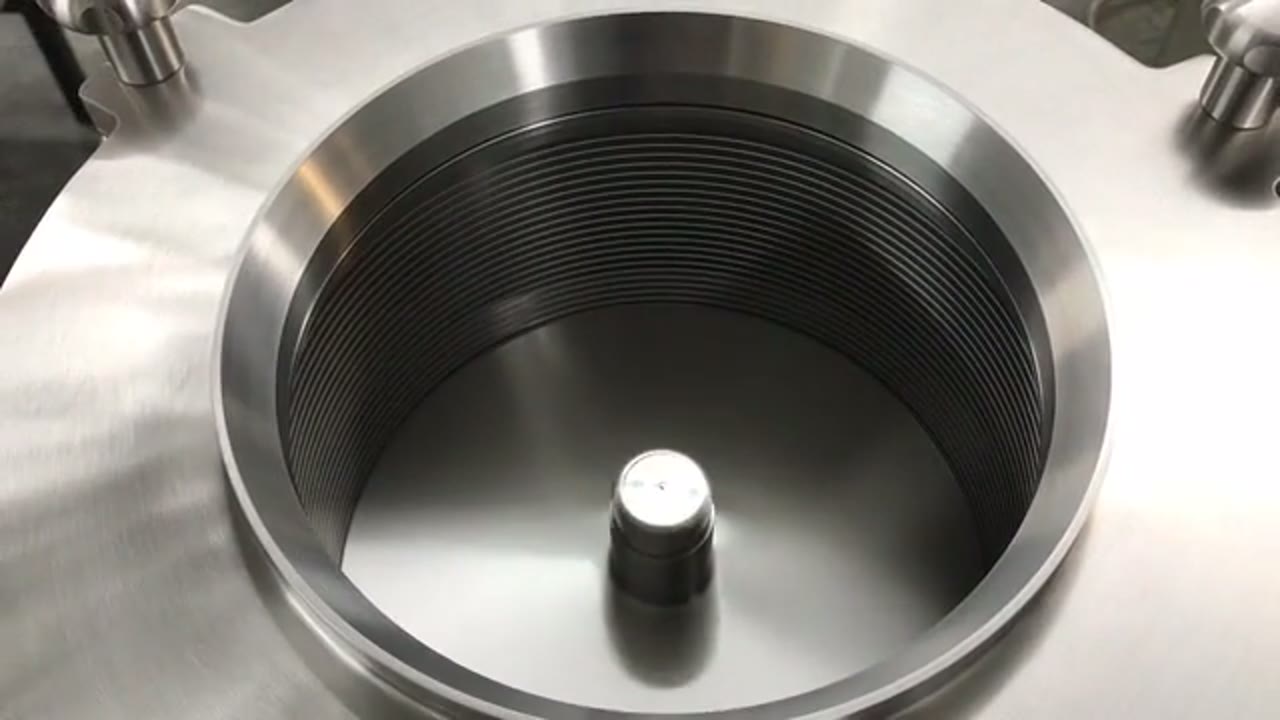
Hanningfield Centrifugal Sifter (Kwik-Sift)
Hanningfield's Kwik-Sift video walks through centrifugal sifting — rotating assembly, cylindrical screen, and separate discharge paths for product and oversize.
Hapman
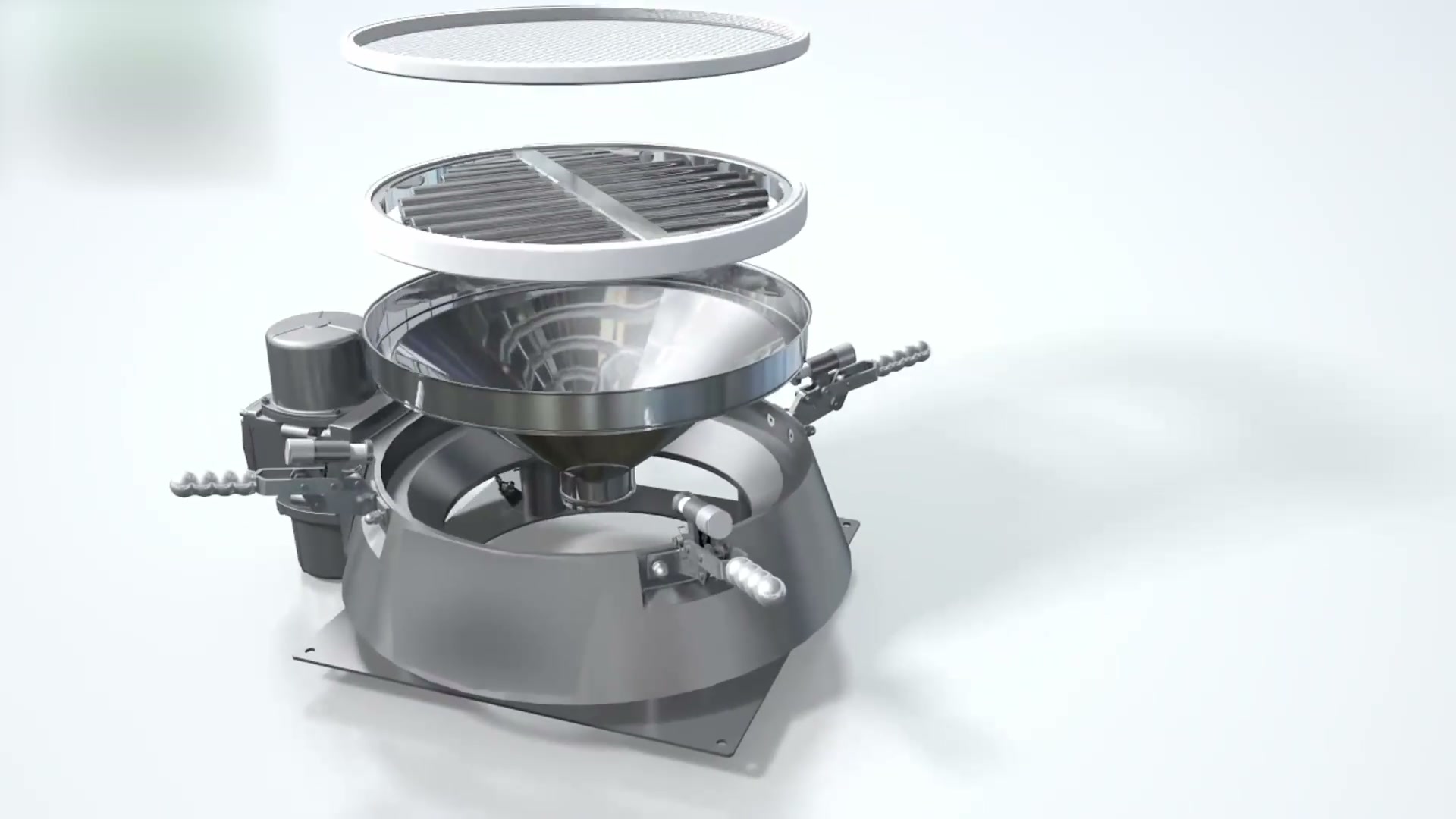
Hapman Compact Sieve Animation
Hapman's animation shows a compact vibratory sieve mounted beneath a bulk bag unloader, screening powder before it enters the next process step. The sieve is a high-capacity, easy-clean option for restricted spaces.