
Application
Bulk Truck Loading
Answer in brief
Bulk truck loading transfers dry material from storage or a mobile source into an open truck, covered trailer or tanker. A workable design coordinates feed control, vehicle geometry, displaced air, dust containment, level control and safe positioning across the full range of materials and vehicles the plant actually loads.
Reviewed July 14, 2026 · Updated October 8, 2026
Sponsored visibility
Featured Bulk Truck Loading videos
Paid placements are clearly marked and remain separate from the editorial related-video selection.


DSH Systems
DSH Systems: Introduction Dust Suppression Hopper
DSH Systems introduces its dust-suppression hopper for controlling dust fallout during dry-bulk loading.
Total reach: 24,737
This featured spot is open
Show your video here, in front of engineers who are researching this topic.
The problem
Bulk truck loading must place material into the receiving vehicle while controlling the transfer route and the release of dust. Open trucks and enclosed tanker hatches need different discharge arrangements. Fixed loading points and mobile loading systems also create different access and connection requirements.
Desired outcome
The selected system should create a controlled path from the material source to the vehicle. It should support the required operating rate, fit the vehicle geometry and provide suitable containment for the documented material and site conditions.
Process approach
A typical route starts at a silo, hopper, conveyor, big bag discharge point or another bulk material source. Feed equipment controls the flow, and a hopper, loading spout or mobile transfer system directs the material into the receiving vehicle.
DSH Systems documents dust suppression hoppers for open and closed truck loading. Polimak documents a mobile bulk truck loader that transfers material from a mobile source into a tanker truck. Both are system concepts that still have to be evaluated against the exact application.
Fixed loading points
A fixed point can connect directly to a silo, bin or conveyor discharge. Vehicle positioning, outlet height, material flow control and dust collection interfaces must be defined before equipment selection.
Mobile loading systems
A mobile system can serve changing loading positions or temporary routes. The design review must cover stability, available utilities, travel path, source connection, operator access and the connection to the receiving vehicle.
Open and enclosed vehicles
An open truck accepts material across an exposed loading area, while an enclosed tanker normally uses a defined hatch. The spout or hopper arrangement must suit that opening and the required containment method.
Air displacement and loading control
Material entering a tanker or covered vessel displaces air, and that air needs a controlled route through a vent or dust collection system. An open truck creates a different release geometry and may need a loading device that stays close to the growing pile.
Flow control should prevent sudden surges and stop material before overfill. Vehicle position, fill level indication and communication between driver and operator belong in the operating sequence.
Commissioning
Test representative material and vehicle types. Record loading rate, visible release, collection pressure, final distribution, spillage and the response to a full signal or vehicle movement. Check access for cleaning and safe recovery after a blocked spout.
Independent guidance
EPA guidance on aggregate handling describes dust generation during transfer and storage. NIOSH research on dust suppression hoppers shows that passive loading concepts can reduce respirable dust under tested conditions, and why results must stay tied to the material and operating setup.
Engineering visual guide
How the system behaves
These conceptual diagrams connect the operating principle, equipment internals and engineering review points. They are explanatory and not fabrication drawings or a substitute for project-specific calculations.
Engineering infographic
Source-to-destination process flow
Conceptual source-to-destination process flow for Bulk Truck Loading; use it to structure an engineering review, not as a fabrication drawing or project-specific design.
Selection factors
- Material identity, bulk density and verified flow behavior.
- Required loading rate and operating frequency.
- Open truck, covered trailer or tanker hatch geometry.
- Fixed or mobile installation.
- Available headroom and vehicle positioning tolerance.
- Dust containment, extraction and housekeeping requirement.
- Feed control through gates, conveyors or other upstream equipment.
- Cleaning, inspection and maintenance access.
Do not transfer a performance value from one installation to another. Confirm material compatibility, capacity and dust performance with the supplier for the complete operating envelope.
Engineering infographic
Engineering input and decision path
Conceptual engineering input and decision path for Bulk Truck Loading; use it to structure an engineering review, not as a fabrication drawing or project-specific design.
Common failure modes
- Loading equipment does not match the truck opening or available headroom.
- Material flow changes exceed the verified operating range of the selected equipment.
- Dust control is treated as a separate add on instead of part of the transfer route.
- Vehicle access and operator positioning are not included in the layout review.
Engineering infographic
Fault recovery and acceptance workflow
Conceptual fault recovery and acceptance workflow for Bulk Truck Loading; use it to structure an engineering review, not as a fabrication drawing or project-specific design.
Partner with powderbulkvideos.com
Put a relevant technical solution in this decision path.
Connect your company and video evidence with clearly labelled visibility where engineers evaluate this material, application, industry or product.
Frequently asked questions
How do I choose a bulk truck loading system
Define the material, loading rate, vehicle opening, available headroom, fixed or mobile layout and the dust control requirement. Then confirm the complete operating envelope with the supplier.
What is the difference between open and enclosed truck loading
Open truck loading discharges into an exposed receiving area, while enclosed loading connects to a defined tanker or trailer hatch. The opening changes both positioning and containment requirements.
When is mobile bulk truck loading useful
Mobile loading can support changing loading points or temporary routes. Stability, utilities, source connection, travel path and safe operator access still have to be confirmed.
How is dust controlled during truck loading
Dust control can be built into the discharge equipment, the enclosure or the extraction arrangement. The right method depends on the material, drop conditions, receiver and loading rate.
Related content
Continue exploring
Move from this page to the companies, videos and technical topics that add useful context.
Companies
Videos
DSH Systems
DSH Systems: Introduction Dust Suppression Hopper
DSH Systems introduces its dust-suppression hopper for controlling dust fallout during dry-bulk loading.
Total reach: 24,737

DSH Systems
DSH Systems: Before & After DSH7 Truck Loading Limestone Sand
Side-by-side comparison of truck loading operations before and after installing the DSH 7 Corten-steel Dust Suppression Hopper, loading limestone sand at up to 950 metric tons per hour with almost no airborne dust.
Total reach: 24,912
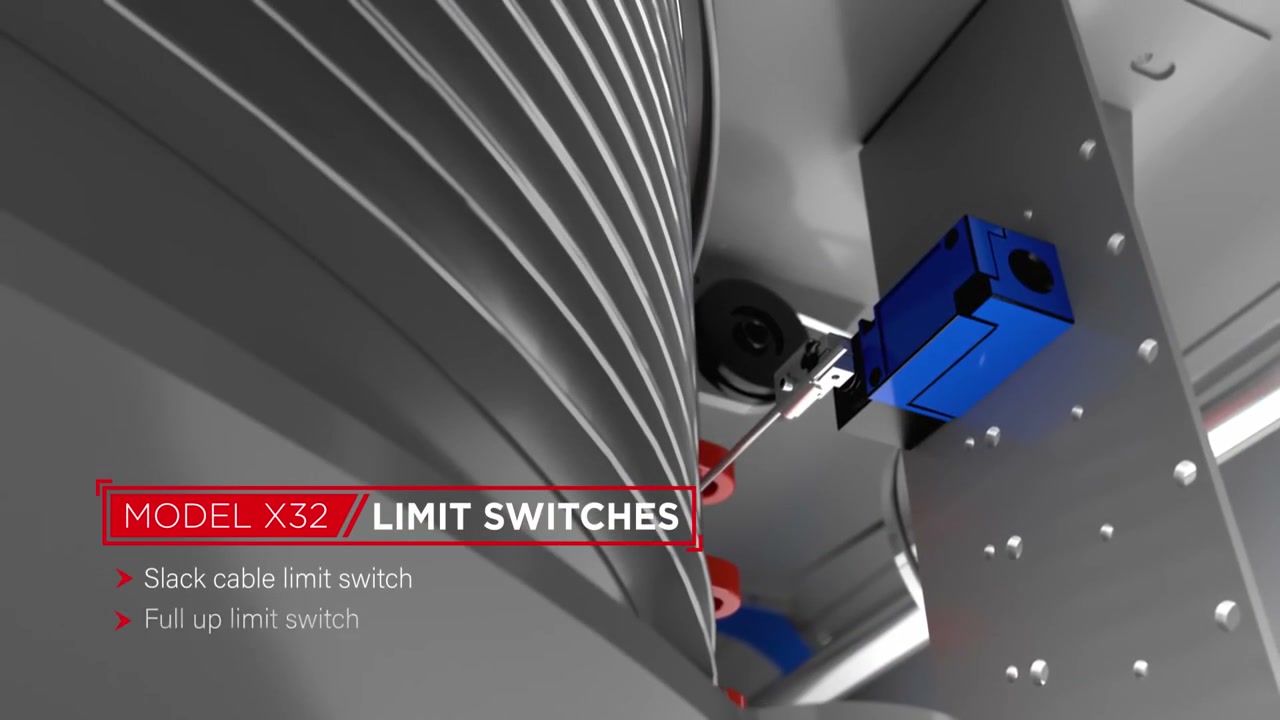
DCL, Inc.
DCL X32 Loading Spout
DCL introduces the X32 loading spout for truck and railcar loading, an enclosed spout that moves dry bulk material from bins, silos and conveyors into a vehicle.
Total reach: 11,270

Polimak
Polimak: Mobile Bulk Materials Handling Technologies
Polimak designs and manufactures mobile bulk materials handling systems for loading, unloading, discharging and storing bulk solids, trans-loading material between different transportation and storage mediums.
Total reach: 17,414

Vortex – Solids & Bulk Handling Components
Vortex®: Telescoping Loading Spout
Vortex presents a telescoping spout for guiding dry bulk material into a truck, railcar, vessel or stockpile. The video is useful for understanding the internal flow path and moving components. Pressure, leakage, wear, material compatibility and cleaning still require verification for the actual duty.
Total reach: 76,933
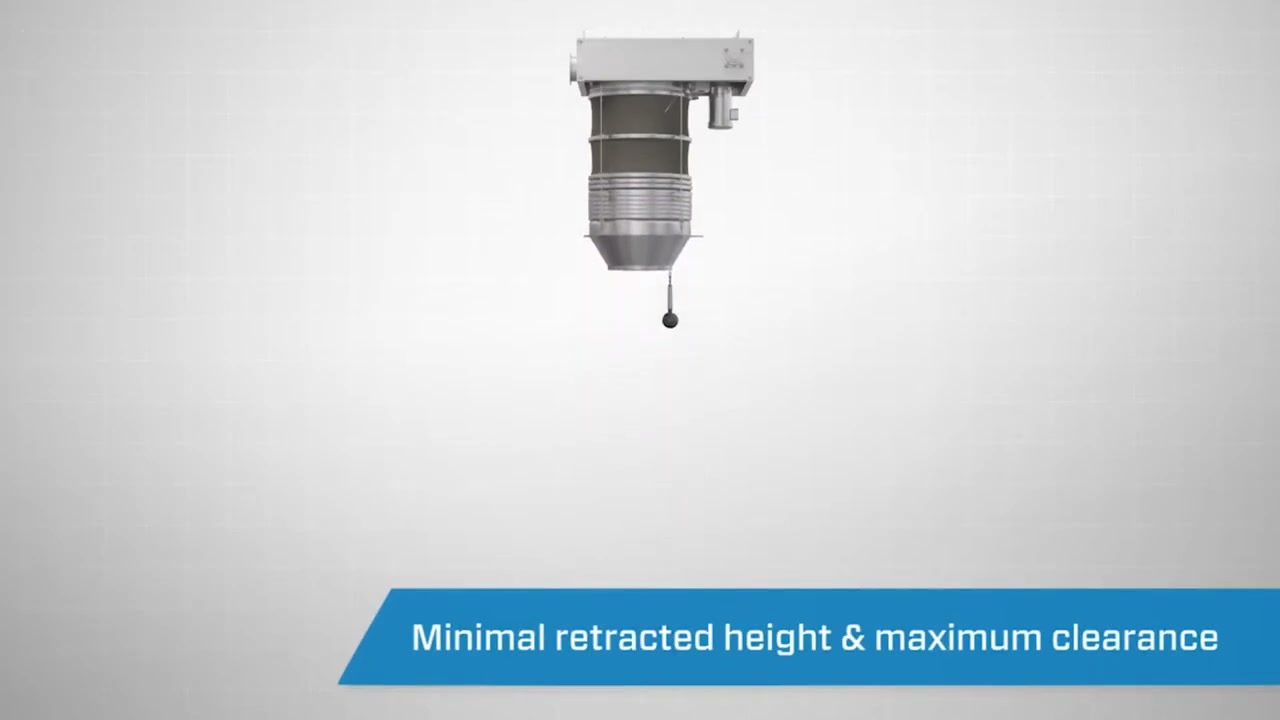
Vortex – Solids & Bulk Handling Components
What is the Vortex Loading Spout?
Vortex Global explains the telescoping loading spout and how it keeps material flowing steadily into open and enclosed vessels such as trucks, railcars and tank vehicles.
Total reach: 2,070