
Material
Petroleum Coke
Answer in brief
Petcoke is abrasive, dusty and burns, which rules out treating it as ordinary coarse bulk.
The lump material wears the plant and the fines create both an emission problem outdoors and a combustible dust problem indoors.
- Protect impact points and accept wear parts as consumables.
- Control fugitive dust at stockpiles and loading, where most of it escapes.
- Treat milled coke as a combustible dust with full protection.
Reviewed October 21, 2026 · Updated November 10, 2026
Handling challenges
Petroleum coke moves in refinery, cement and anode plants, and each sees a different part of the problem.
Abrasion
Calcined coke is hard and angular, and it removes material from chutes, screw flights and belt covers steadily.
- Replaceable liners at impact points rather than hard facing on structure.
- Chute geometry that lets material slide rather than strike.
- Conservative conveying velocity where pneumatic transfer is used.
Fugitive dust
Open stockpiles and ship or truck loading are where petcoke dust becomes a neighbourhood issue and a regulatory one.
Enclosed conveyors, telescopic loading chutes with extraction, wind fencing and water suppression are the usual combination, chosen by site rather than by preference.
Fire and combustible dust
Coke fines ignite and smoulder, and milled coke used as fuel is a classic combustible dust.
Mills, classifiers, filters and silos in a fuel preparation plant need inerting or explosion protection, with ignition source control and temperature monitoring across the system.
Moisture and sticking
Green coke carries residual volatiles and moisture and can build up heavily in chutes and hoppers.
Liner selection, chute slope and cleanout access matter more here than in dry calcined service.
What to establish before buying equipment
- Green or calcined, with particle size and moisture on receipt.
- Expected wear rates and the inspection interval.
- Dust control requirement at the site boundary.
- Explosion characteristics where coke is milled.
Storage and conditioning
Petroleum coke stores outdoors in most plants, and the weather is part of the handling.
It is hydrophobic enough that water sits on it rather than soaking in, which makes a wet pile sticky at the surface and dry underneath. Fine coke also blows readily, which is a nuisance and a neighbourhood issue.
- Plan for wind: covered storage or suppression, because a coke pile is visible from a long way off.
- Expect a sticky surface layer after rain and a dry interior.
- Monitor temperature in large volumes; green coke in particular can self-heat.
What this means for equipment
Abrasion and dust define the equipment.
Calcined coke in particular is hard and angular, so wear concentrates at every impact. Belt conveying with well-designed transfers is standard, and the dust control is designed with the conveyor rather than added later.
- Impact beds, replaceable liners and generous chute radii.
- Belt cleaners maintained as a routine, because carryback becomes spillage along the line.
- Suppression or capture at every transfer.
Safety and regulatory
Coke dust is combustible and respirable, and some grades carry regulated contaminants.
- Dust capture or suppression at the source.
- Check sulphur and metals content against the handling and exposure requirements.
- Temperature monitoring in large stores; self-heating is slow and internal.
Material behavior
- Flowability
- Free flowing when coarse and dry
- Abrasiveness
- Very high
- Cohesiveness
- Low when dry, sticky when wet with residual oil
- Moisture behavior
- Wet coke builds up in chutes and loses handling consistency
- Contamination risk
- Fugitive dust emission and sulfur content affecting downstream use
Partner with powderbulkvideos.com
Put a relevant technical solution in this decision path.
Connect your company and video evidence with clearly labelled visibility where engineers evaluate this material, application, industry or product.
Frequently asked questions
Why does a coke pile stay dry inside?
Coke is hydrophobic enough that water runs off rather than soaking in. The result is a sticky surface layer over dry material, which behaves as two different materials in one pile.
What wears fastest in a coke line?
The transfer points. Calcined coke is hard and angular, so the impact zones and the first metre of the receiving belt take the damage.
Is self-heating a real risk?
In large volumes, yes, particularly with green coke. Temperature monitoring with an agreed response belongs in the design of any significant store.
Related content
Continue exploring
Move from this page to the companies, videos and technical topics that add useful context.
Companies

Videos

DSH Systems
DSH Systems: Installation Profile – Phu My Port in Vietnam
DSH Systems documents a dust-suppression hopper installation for dry granular material transfer at Phu My Port in Vietnam.
Total reach: 23,752
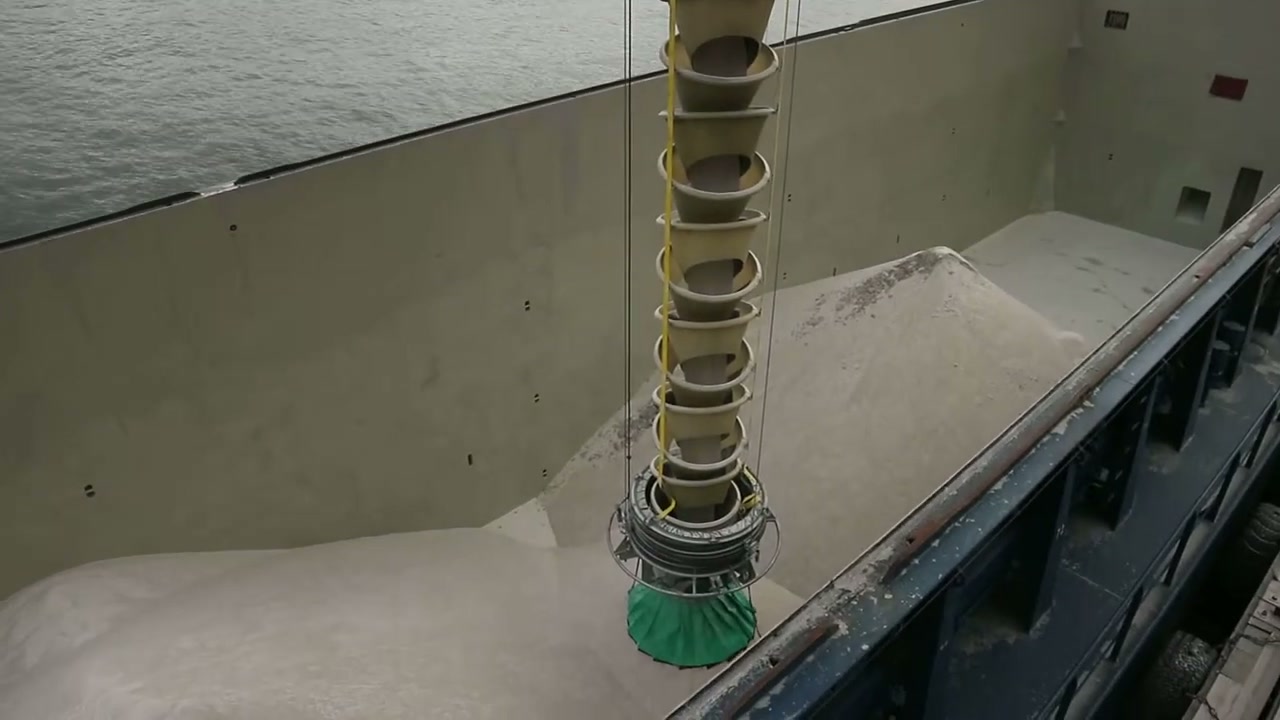
Cleveland Cascades
Cascade Chute Loading at 500 Tonnes per Hour
Cleveland Cascades shows a cascade chute loading material at 500 tonnes per hour, with the falling stream held together inside the chute.
Technologies
Applications
- Bulk Truck Loading
- Combustible Dust Collection and Mitigation
- Dust Suppression in Mineral Stockyards
- Dust-free Loading in Mineral Terminals
- Explosion Isolation in Building Materials
- Explosion Protection for Building Materials Plants
- Explosion Protection for Power and Biomass Plants
- Flameless Venting for Indoor Equipment in Building Materials
- Mechanical Conveying in Power and Fuel Handling
- Valve and Airlock Selection for Power and Energy Plants