
Technology guide
Dust Suppression Hoppers
Answer in brief
A dust suppression hopper reduces loading dust by collecting free flowing material and releasing it as a dense, coherent stream that entrains less air. NIOSH field studies support the approach for suitable duties. Performance still has to be confirmed for the actual material, loading rate, outlet position, and receiving geometry.
By Editorial Team · Reviewed July 14, 2026 · Updated July 26, 2026

Sponsored visibility
Featured Dust Suppression Hoppers videos
Paid placements are clearly marked and remain separate from the editorial related-video selection.


DSH Systems
DSH Systems: Introduction Dust Suppression Hopper
DSH Systems introduces its dust-suppression hopper for controlling dust fallout during dry-bulk loading.
Total reach: 24,738
This featured spot is open
Show your video here, in front of engineers who are researching this topic.
Dust generated during loading is strongly influenced by free fall, impact and the air carried by a dispersed stream. A dust suppression hopper is designed to create a denser, more coherent discharge that reduces these mechanisms without relying only on large extraction air volumes.
How the operation works
Material accumulates within the hopper and leaves through a controlled outlet when the internal load establishes the intended flow. The exact operating principle depends on the device. The receiving truck, stockpile or container must remain positioned so the controlled stream is not broken by unnecessary fall or crosswind.
The material must be able to flow through the device without arching or uncontrolled flushing. Cohesion, moisture, lump size and foreign objects can change behavior. A concept demonstrated with dry sand cannot be assumed to perform identically with another powder.
Engineering infographic
Operating sequence
Conceptual operating sequence for Dust Suppression Hoppers; use it to structure an engineering review, not as a fabrication drawing or project-specific design.
Engineering inputs
- Material dustiness and respirable fraction.
- Flowability, moisture and lump size.
- Required peak loading rate.
- Outlet height and receiving target.
- Wind and outdoor exposure.
- Access for inspection and clearing.
Capacity alone is not a sufficient design basis. The system must work across the expected material range, including changes in moisture, fine content, bulk density and particle shape. Startup, normal duty, turndown, interruption and clearing are separate operating cases.
Control of dust and displaced air
NIOSH field studies at silica sand plants compared dust levels before and after controlled hopper use. Such evidence supports the principle but does not provide a universal reduction value. Site acceptance should measure exposure or emissions under representative local conditions.
Research on transfer chutes shows that material trajectory and entrained air influence fugitive dust. EPA guidance also treats loading, unloading and storage as distinct emission activities. Effective control therefore begins by reducing uncontrolled drop and air displacement before collection air is added.
Reliability and failure modes
- Bridging inside the hopper.
- Outlet wear that changes the stream.
- Incorrect height above the receiving surface.
- Wind disruption of outdoor loading.
- Unsafe manual clearing of a blockage.
Inspection should focus on changing conditions rather than waiting for lost capacity. Deposits, wear patterns, damaged seals, changed vibration and rising dust indicate that material flow or containment has moved away from the intended state.
Safety and access
Respirable crystalline silica may create a serious health hazard when applicable materials are handled. Exposure control should follow the site assessment and hierarchy of controls. Blockage clearing requires isolation and a method that keeps personnel away from stored material.
Isolation for maintenance, guarding, safe access and emergency response must be designed into the arrangement. Where combustible dust can occur, ignition control and explosion risk require a separate documented assessment of the complete connected process.
Commissioning and acceptance
- Confirm the actual material range and operating cases.
- Measure capacity and observe flow at every transfer.
- Check dust release, spillage and displaced air under representative duty.
- Verify alarms, interlocks and safe shutdown.
- Record baseline wear, vibration and inspection points.
- Train operators in normal operation, clearing and change control.
Sources and further reading
Engineering infographic
Functional zones and interfaces
Conceptual functional zone schematic for Dust Suppression Hoppers; use it to structure an engineering review, not as a fabrication drawing or project-specific design.
How to select Dust Suppression Hoppers
Begin with a representative material description and the complete loading route. Record the product type, bulk density, flow rate, feed equipment, receiving vessel and available mounting space.
Questions for a supplier
- Has the exact material been tested or used in a documented installation.
- Which hopper size and construction material match the operating conditions.
- What feed control is required above the hopper.
- Does the site need a cover, liner or additional filtration.
- How will the unit be inspected, cleaned and maintained.
Partner with powderbulkvideos.com
Place your video in the engineering context buyers are researching.
Use a relevant company profile and technical video to demonstrate this technology before engineers reach the supplier shortlist.
Engineering infographic
Engineering review envelope
Conceptual engineering review envelope for Dust Suppression Hoppers; use it to structure an engineering review, not as a fabrication drawing or project-specific design.
Popular on powderbulkvideos.com
Popular Dust Suppression Hoppers videos
DSH Systems
DSH Systems: Introduction Dust Suppression Hopper
DSH Systems introduces its dust-suppression hopper for controlling dust fallout during dry-bulk loading.
Total reach: 24,738

DSH Systems
DSH Systems: Before & After DSH7 Truck Loading Limestone Sand
Side-by-side comparison of truck loading operations before and after installing the DSH 7 Corten-steel Dust Suppression Hopper, loading limestone sand at up to 950 metric tons per hour with almost no airborne dust.
Total reach: 24,916

DSH Systems
DSH Systems: Installation Profile – Phu My Port in Vietnam
DSH Systems documents a dust-suppression hopper installation for dry granular material transfer at Phu My Port in Vietnam.
Total reach: 23,676
DCL, Inc.
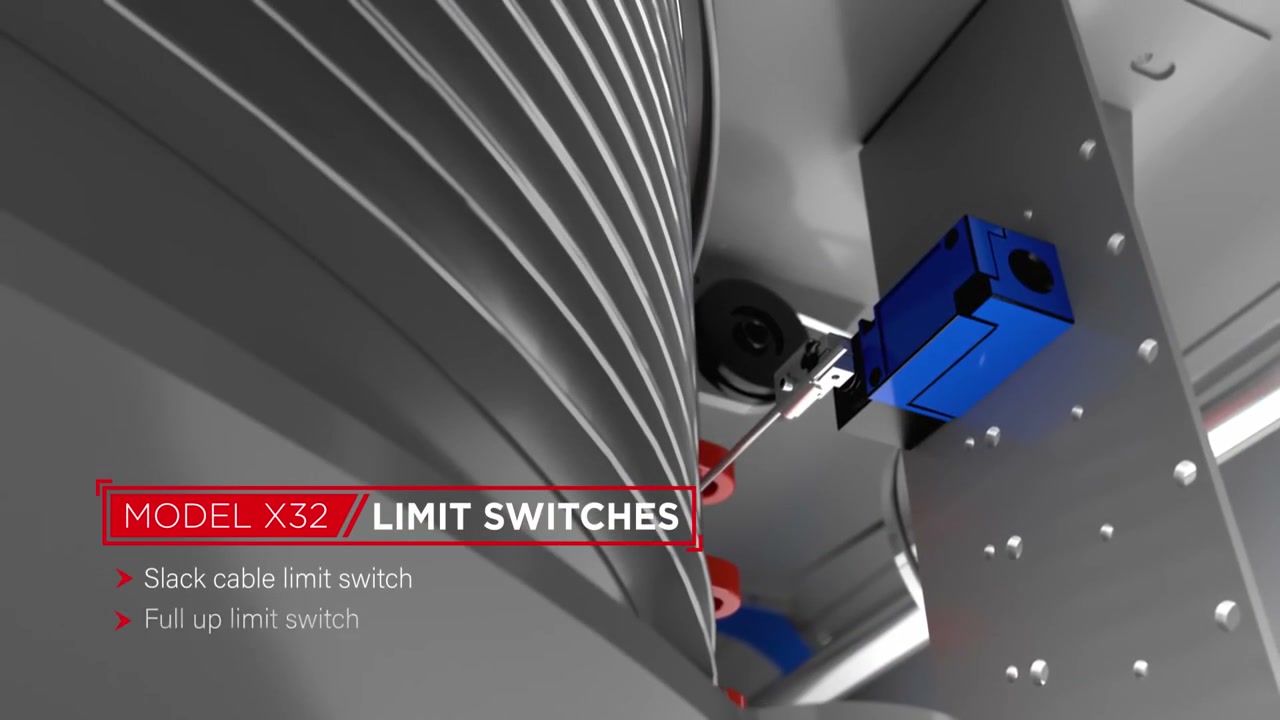
DCL X32 Loading Spout
DCL introduces the X32 loading spout for truck and railcar loading, an enclosed spout that moves dry bulk material from bins, silos and conveyors into a vehicle.
Total reach: 11,274
Cleveland Cascades
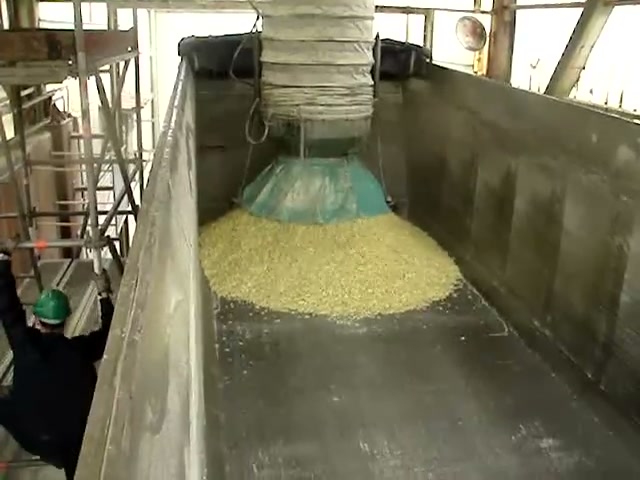
Road Loading Chute Handling Sulphur
Cleveland Cascades shows a road loading chute handling sulphur at 150 tonnes per hour at a site in La Coruña, Spain.
Total reach: 2,521
Cleveland Cascades
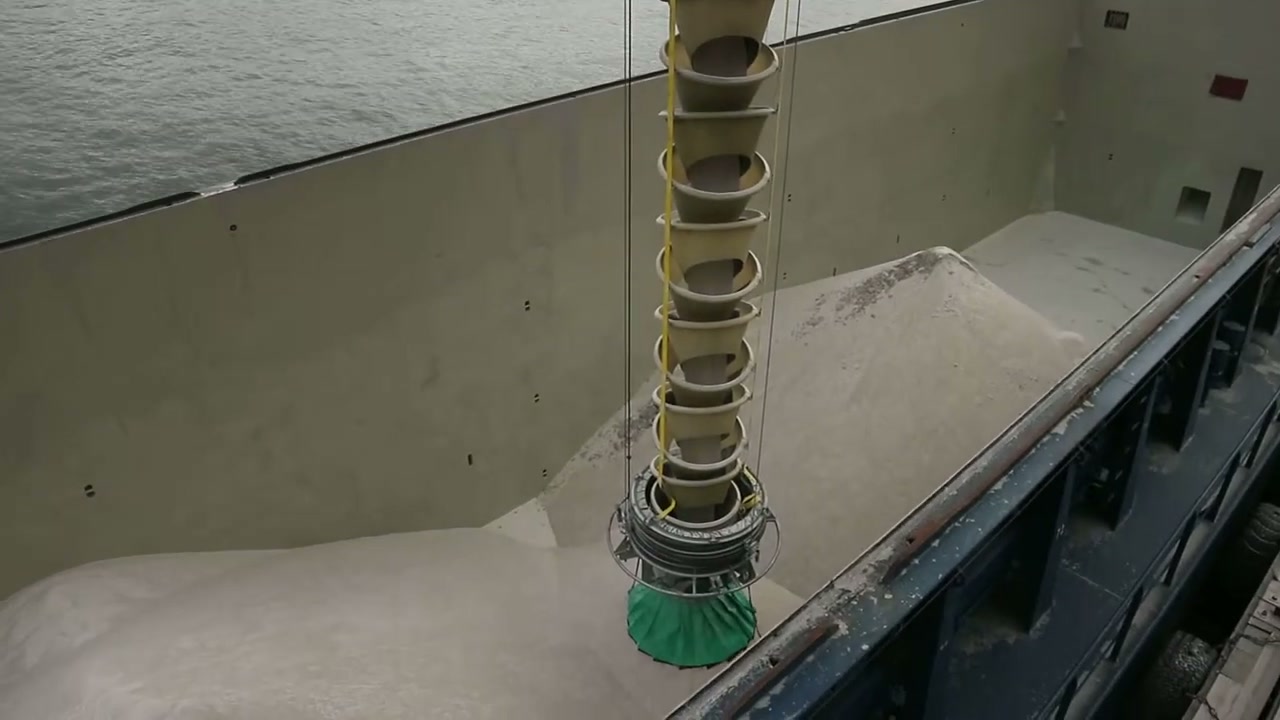
Cascade Chute Loading at 500 Tonnes per Hour
Cleveland Cascades shows a cascade chute loading material at 500 tonnes per hour, with the falling stream held together inside the chute.
Supplier discovery
Companies demonstrating Dust Suppression Hoppers
Frequently asked questions
How does a dust suppression hopper reduce dust during bulk loading?
Material collects in the hopper and leaves through a controlled outlet as a dense, coherent stream, so less air is entrained and less dust escapes at the receiving point. The achievable reduction depends on the material, flow rate, and system arrangement.
Which materials can use a dust suppression hopper?
DSH Systems describes the equipment for dry, granular, and free flowing products. Suitability for a specific material must be confirmed from its flow behavior, bulk density, temperature, abrasion, and chemical properties.
Where can a dust suppression hopper be installed?
Documented contexts include trucks, railcars, ships, containers, and open storage. The hopper can work with equipment such as conveyors, silos, and upstream gates when the complete arrangement is verified.
What information is needed to size a dust suppression hopper?
Provide the product type, bulk density, required flow rate, feed equipment, receiving geometry, mounting space, and construction requirements. The supplier should confirm the final size and configuration.
Related content
Continue exploring
Move from this page to the companies, videos and technical topics that add useful context.