Skip to content
powderbulkvideos.com
Menu

powderbulkvideos.com knowledge hub

Powder and Bulk Material Guides

In brief

Equipment does not fail on its own. It fails on a material it was not sized for.

Every page here describes one material the way a handling engineer needs to see it: how it flows, how it packs, what it does to steel, what it does in air, and what that means for the machines around it.

  • Flow behaviour decides the outlet, not the capacity.
  • Abrasiveness decides the wear parts and the velocity.
  • Dust and explosion behaviour decide the protection concept.

Browse materials

54 published

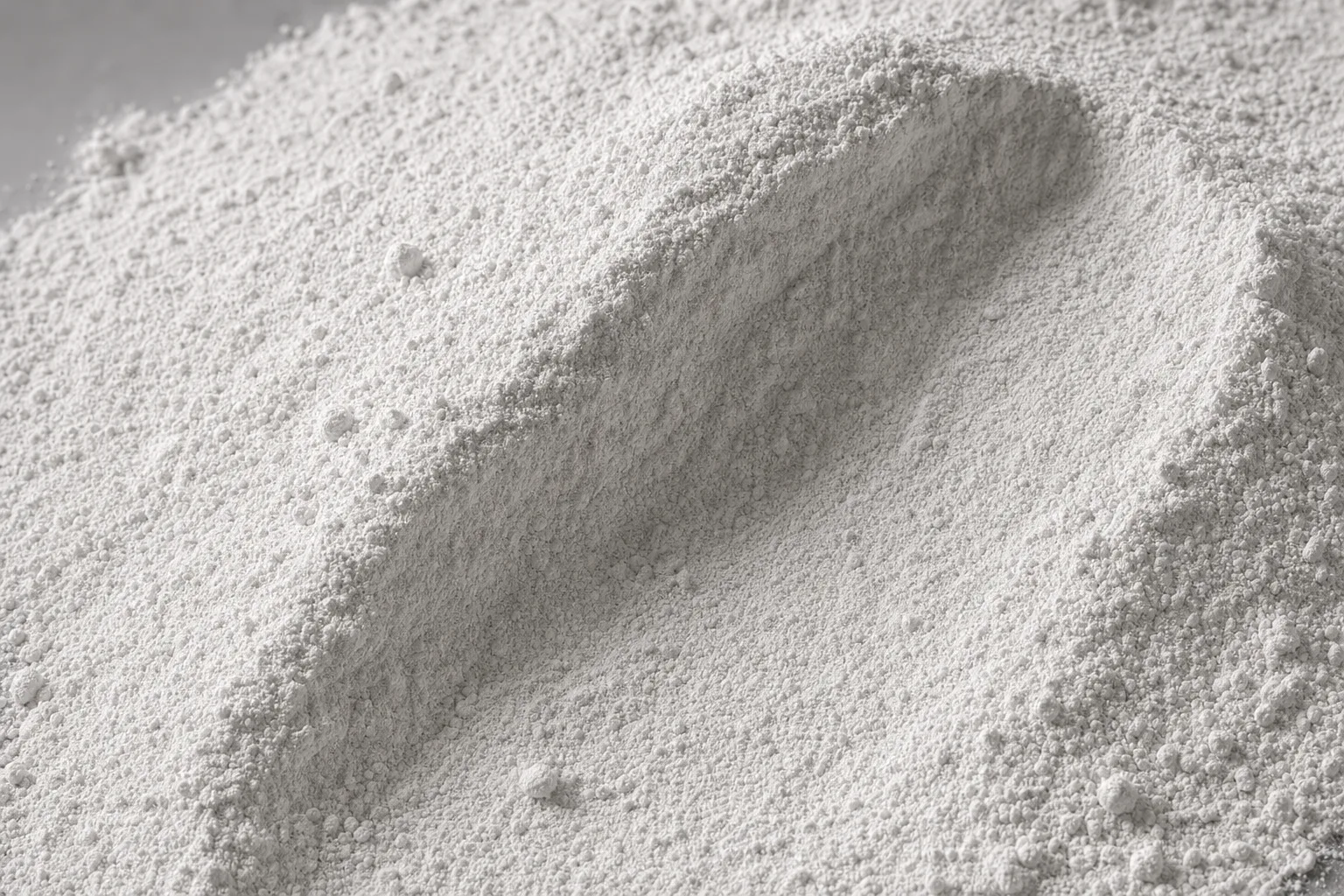
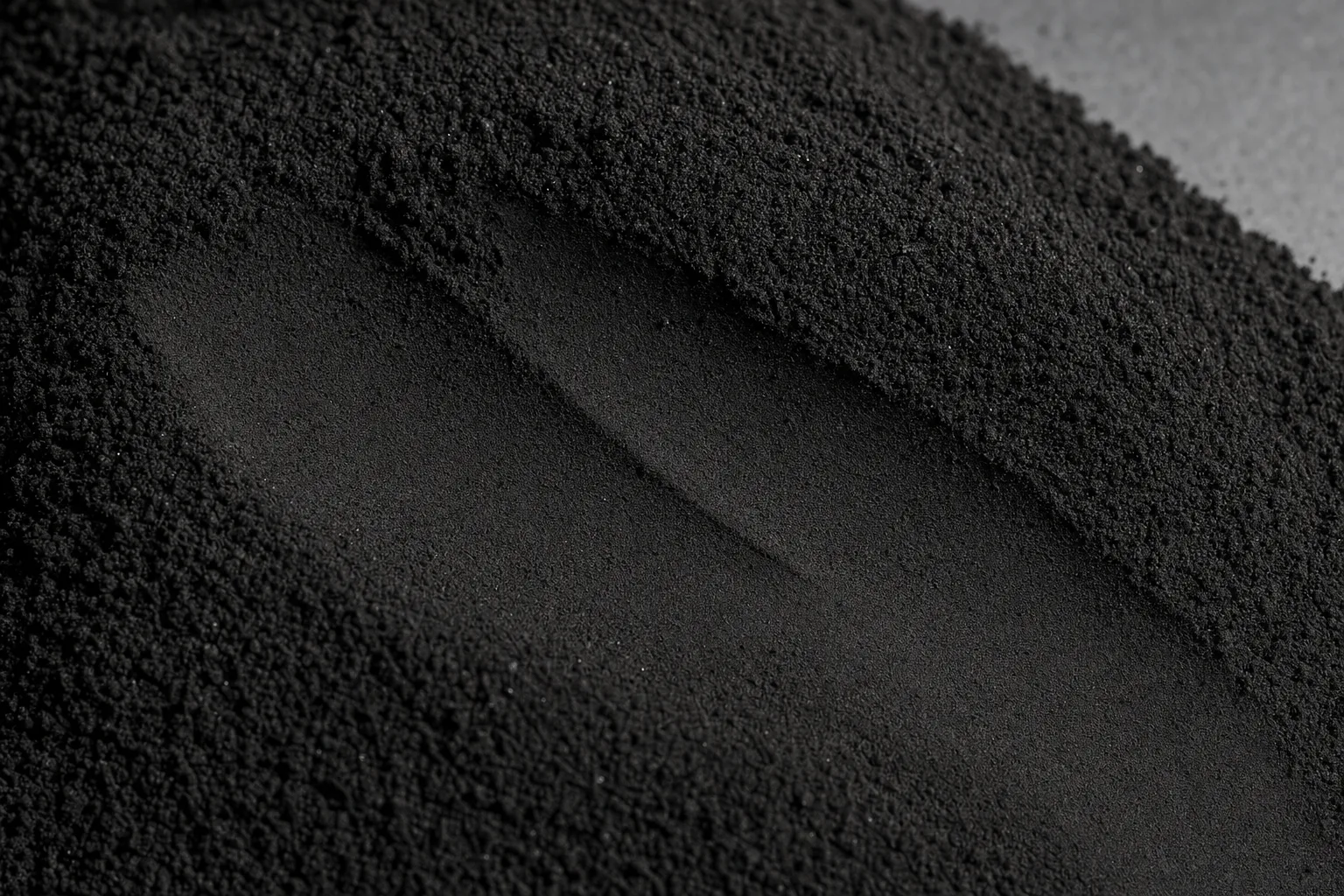
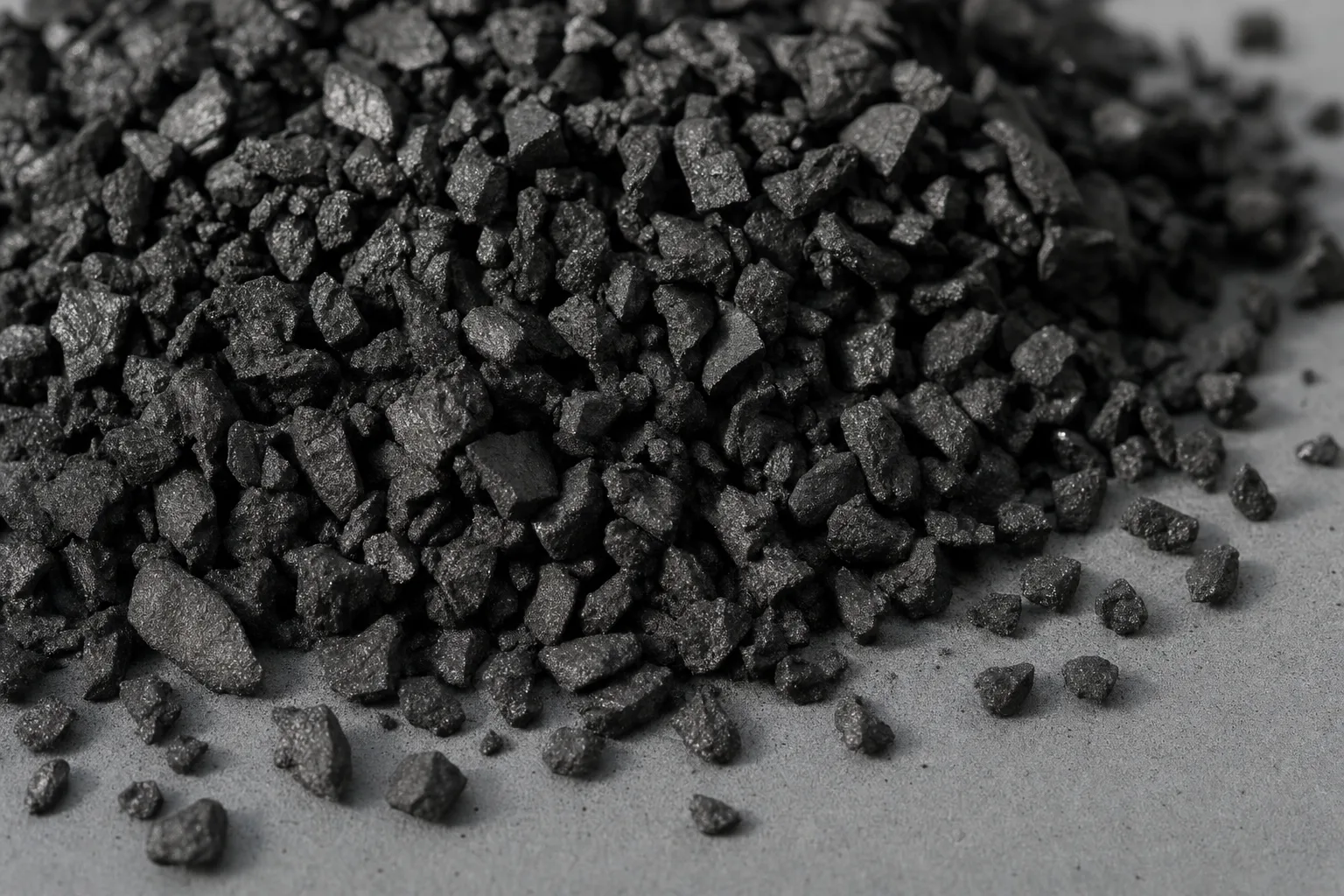
Close-up of activated carbon, showing particle size and texture.

Material

Activated Carbon

Activated carbon is designed to adsorb, and it keeps doing that inside your silo.

It takes up oxygen from the stored air, which makes a carbon vessel a confined space with a genuinely lethal atmosphere, and loaded carbon can self-heat after adsorbing solvents.

Explore
Close-up of alumina, showing particle size and texture.

Material

Alumina

Alumina flows like a liquid when aerated, and that is exactly how smelters move it.

Air slides and fluidised systems exploit the behavior, while any line that relies on high velocity pays for it in wear.

Explore
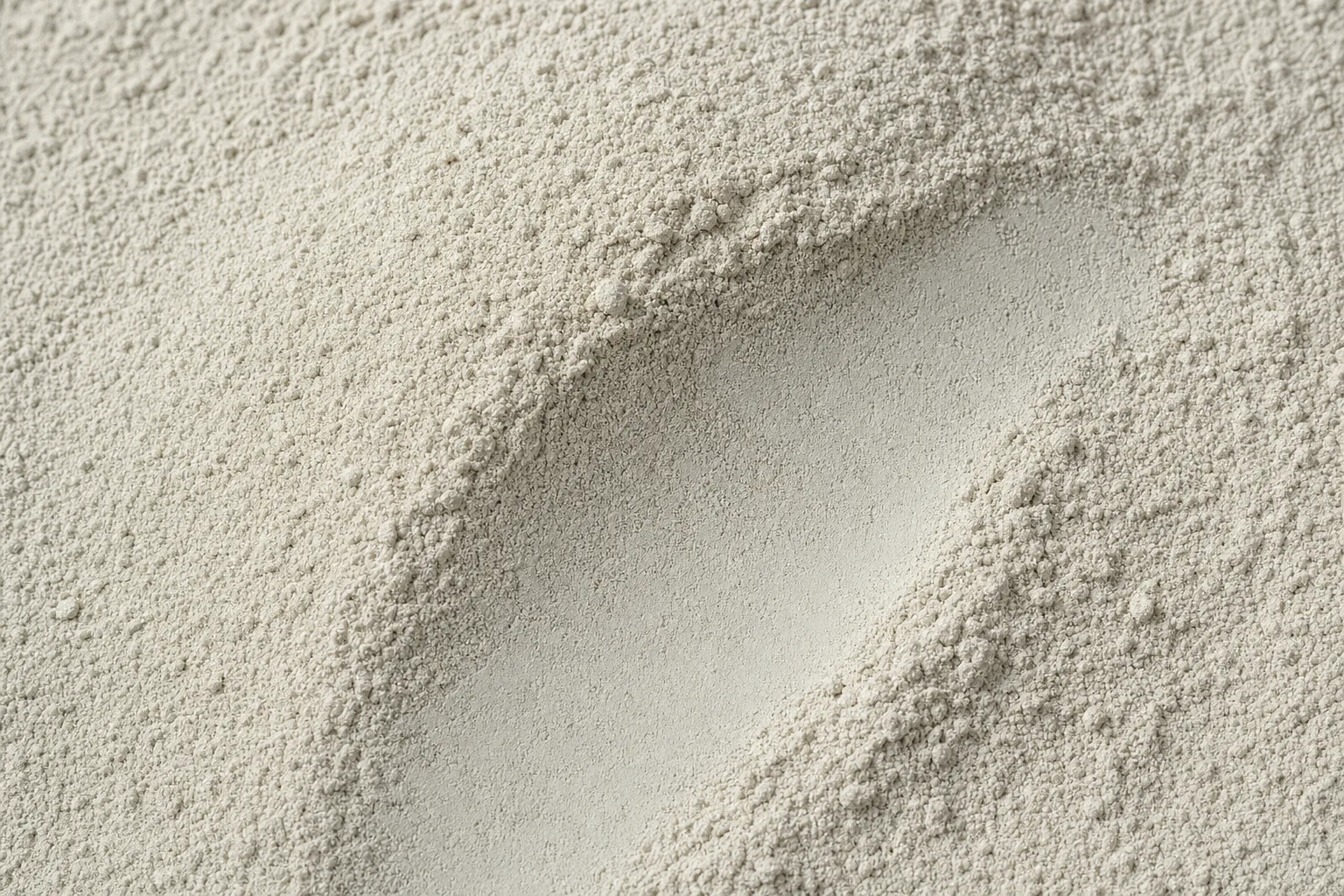
Close-up of bentonite, showing particle size and texture.

Material

Bentonite

Bentonite is a clay that was selected for its ability to swell and stick, and it brings both properties into your silo.

It arches over small outlets, coats walls and turns into an immovable gel wherever water reaches it.

Explore
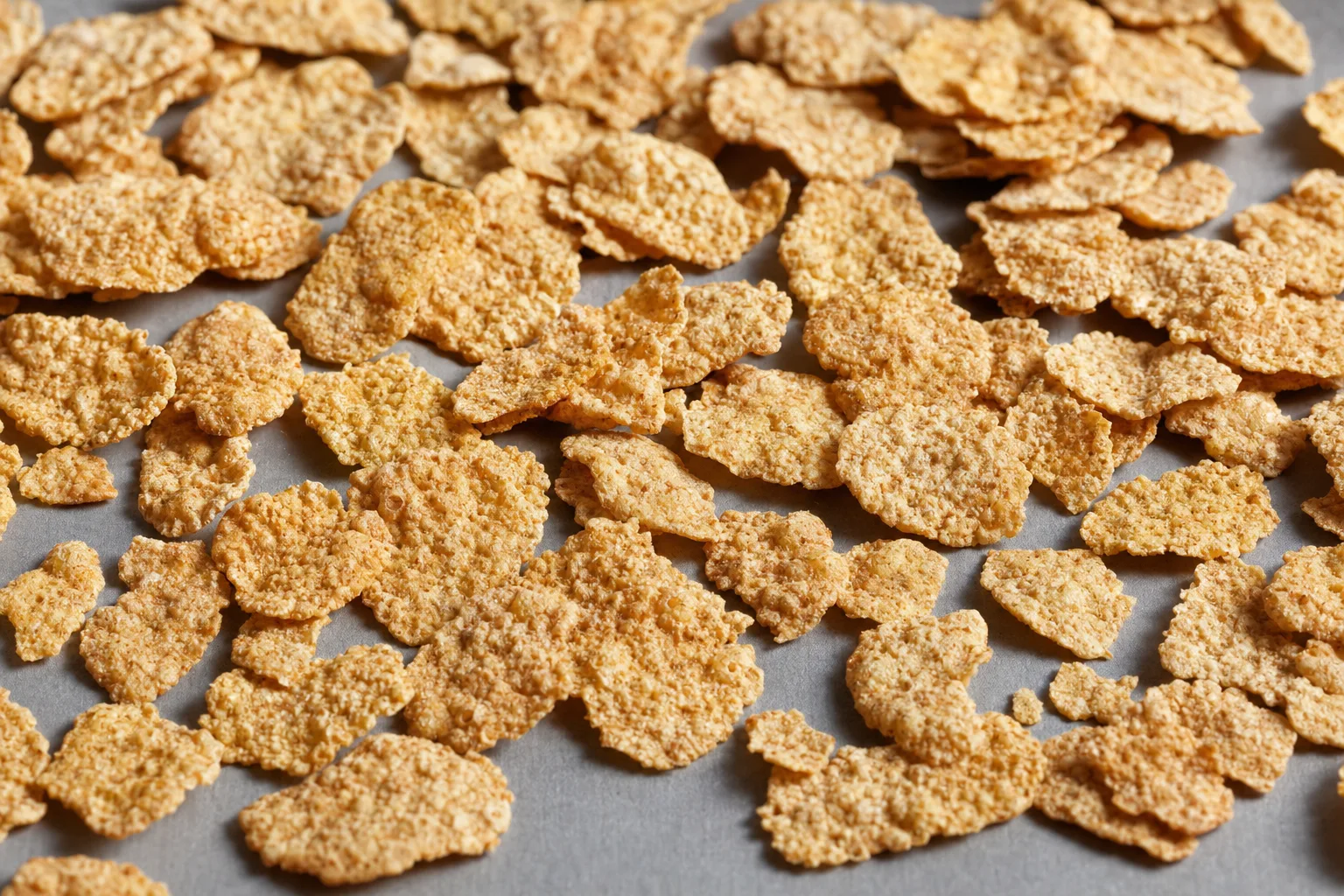
Close-up of breakfast cereal, showing particle size and texture.

Material

Breakfast Cereal

Cereal is bought by volume and sold by weight, and handling damage moves both numbers the wrong way.

Broken flakes settle denser in the box, so the consumer sees a half-empty pack and the plant sees a giveaway problem.

Explore
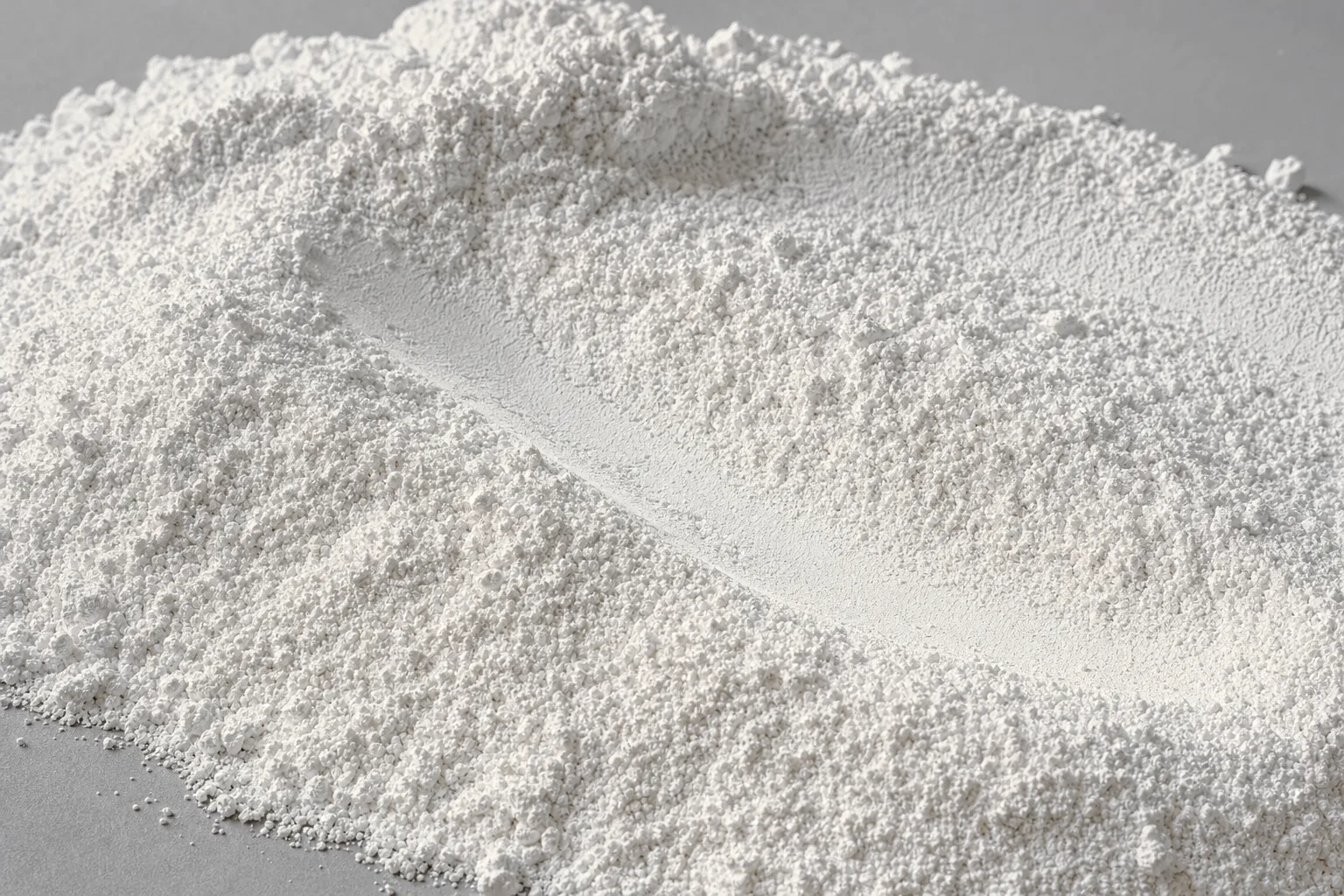
Close-up of calcium carbonate, showing particle size and texture.

Material

Calcium Carbonate

Calcium carbonate is sold from sand-like grades to submicron powders, and the handling system has to match the grade rather than the chemical name.

Coarse ground material flows and wears; ultrafine and coated grades aerate, bridge and coat every surface they touch.

Explore
Close-up of carbon black, showing particle size and texture.

Material

Carbon Black

Carbon black makes every leak visible and permanent.

The primary particles are among the finest handled industrially, and the pelletised form that makes conveying possible breaks back down into that powder under mechanical stress.

Explore
Close-up of cement clinker, showing particle size and texture.

Material

Cement Clinker

Clinker destroys equipment for a living, and the design question is where you accept wear and how quickly you can replace it.

It arrives hot, hard and irregular, and the same properties that make it grind well in a mill also grind away chutes, belts and valve seats.

Explore
Editorial illustration of dry cement powder feeding from a hopper into enclosed conveying equipment

Material

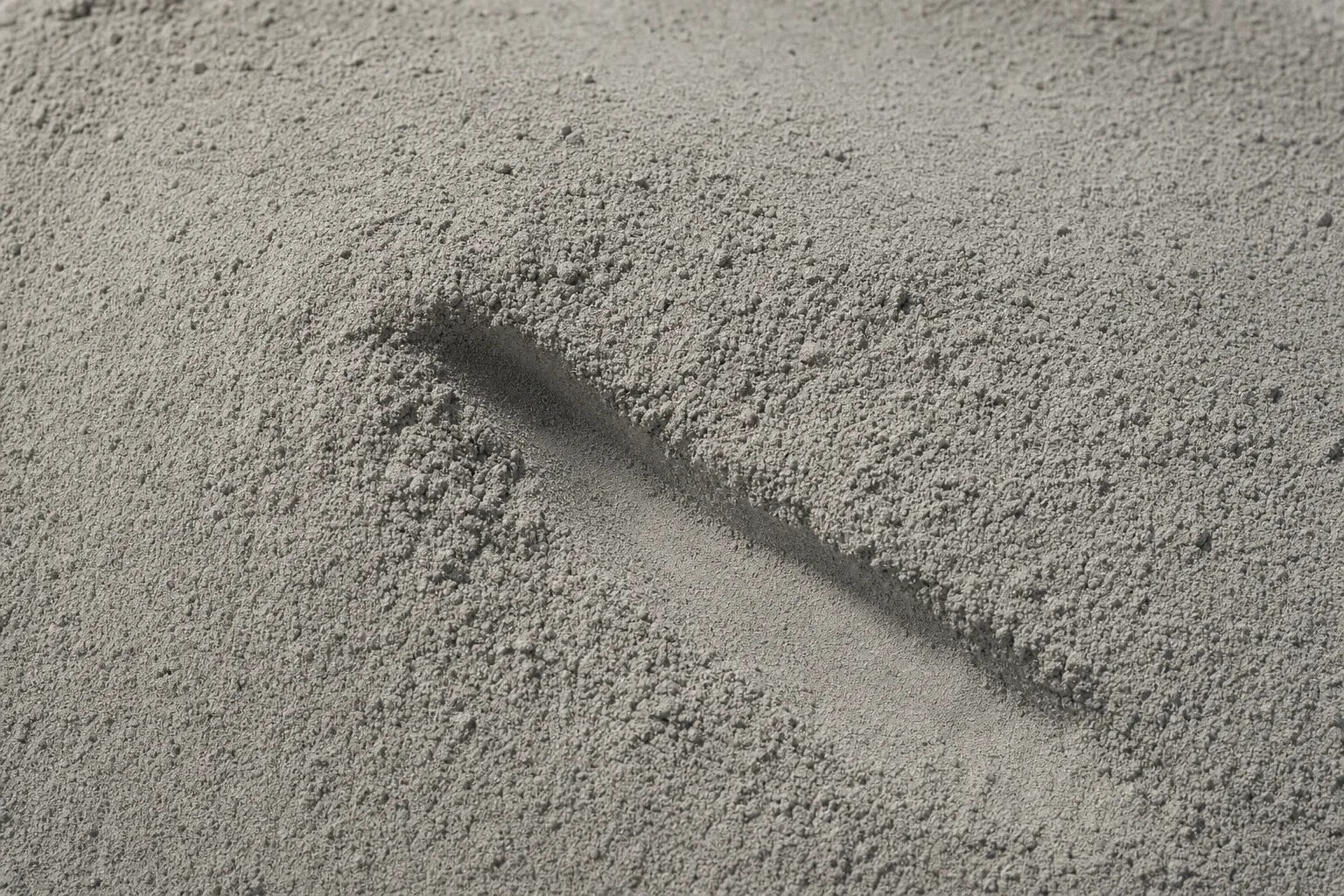
Cement Powder

Design cement powder handling around verified particle, moisture, flow and dust data for the actual cement, and around the complete storage, conveying, blending and loading duty.

Enclosed transfer, controlled air movement, suitable filtration and reliable discharge are the core requirements; equipment sizing and operating settings need project-specific testing.

Explore
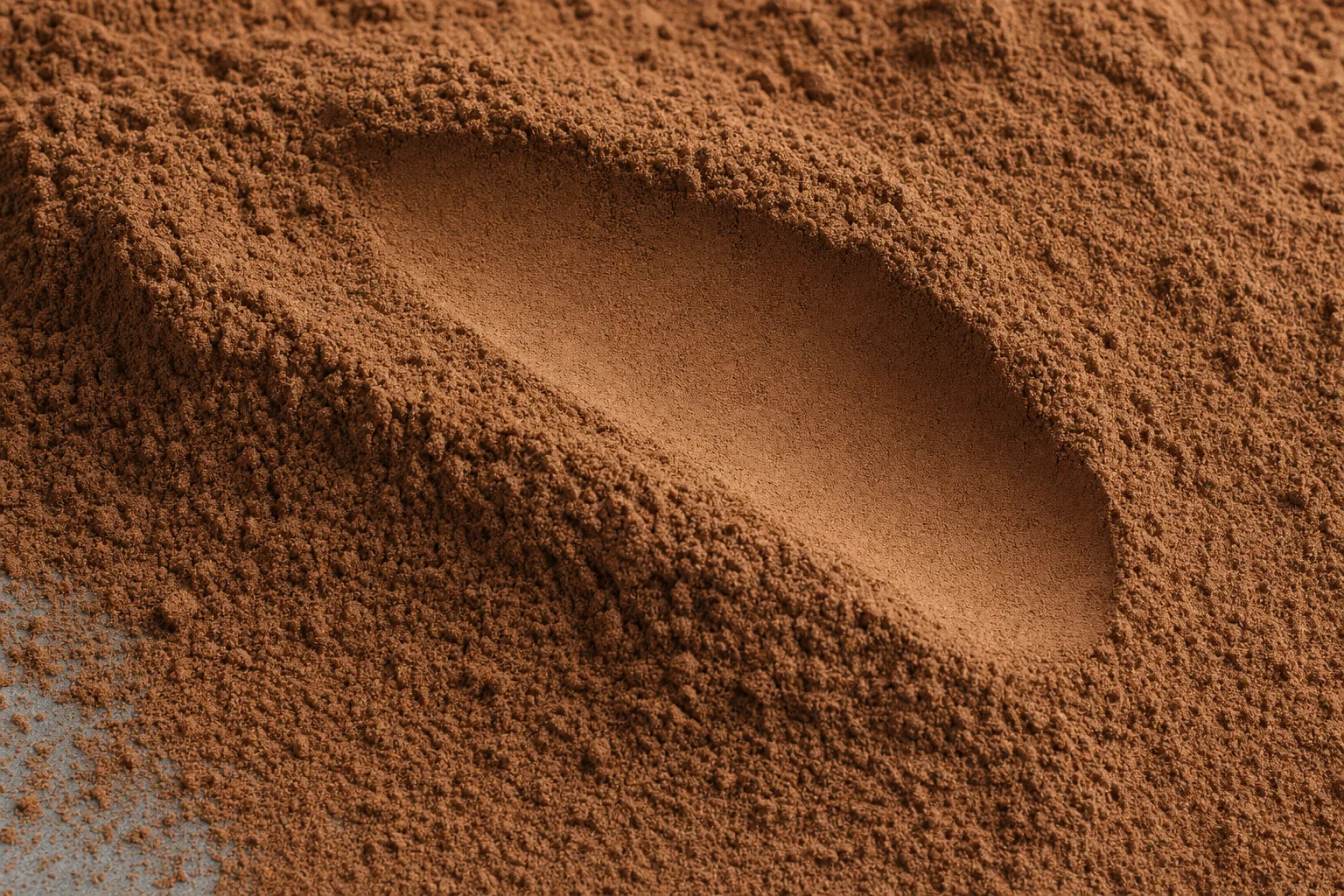
Close-up of cocoa powder, showing particle size and texture.

Material

Cocoa Powder

Cocoa powder is difficult for one reason: the fat that is still in it.

Residual cocoa butter softens at warehouse temperatures, and a powder whose particles are slightly sticky bridges in hoppers, coats walls and packs under its own weight.

Explore
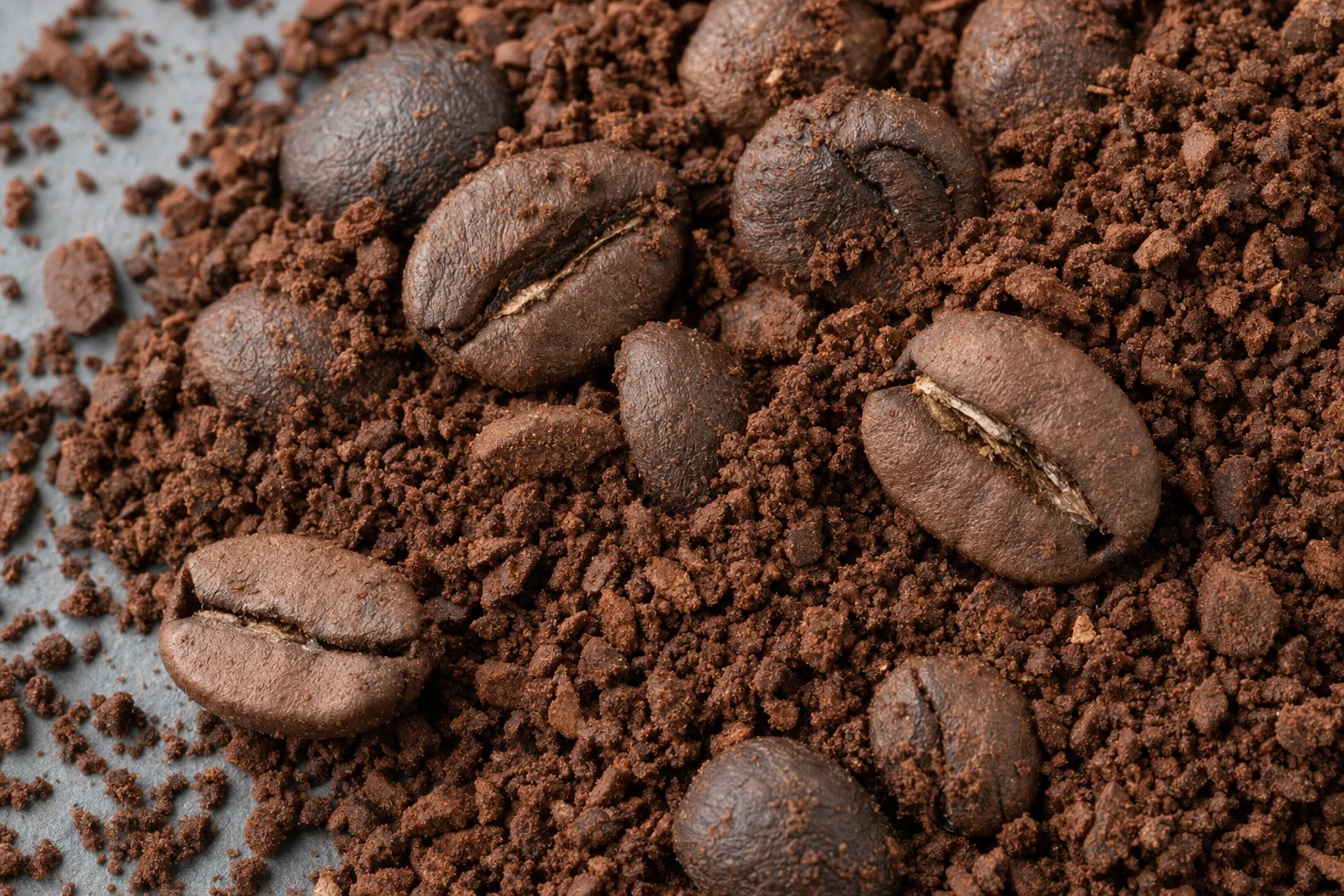
Close-up of coffee beans & ground coffee, showing particle size and texture.

Material

Coffee Beans & Ground Coffee

Roasted coffee is two materials in one plant, and they fail in opposite ways.

Whole beans are brittle and break into fines that block screens and change extraction; ground coffee is cohesive, oily and gives off carbon dioxide for days after grinding.

Explore
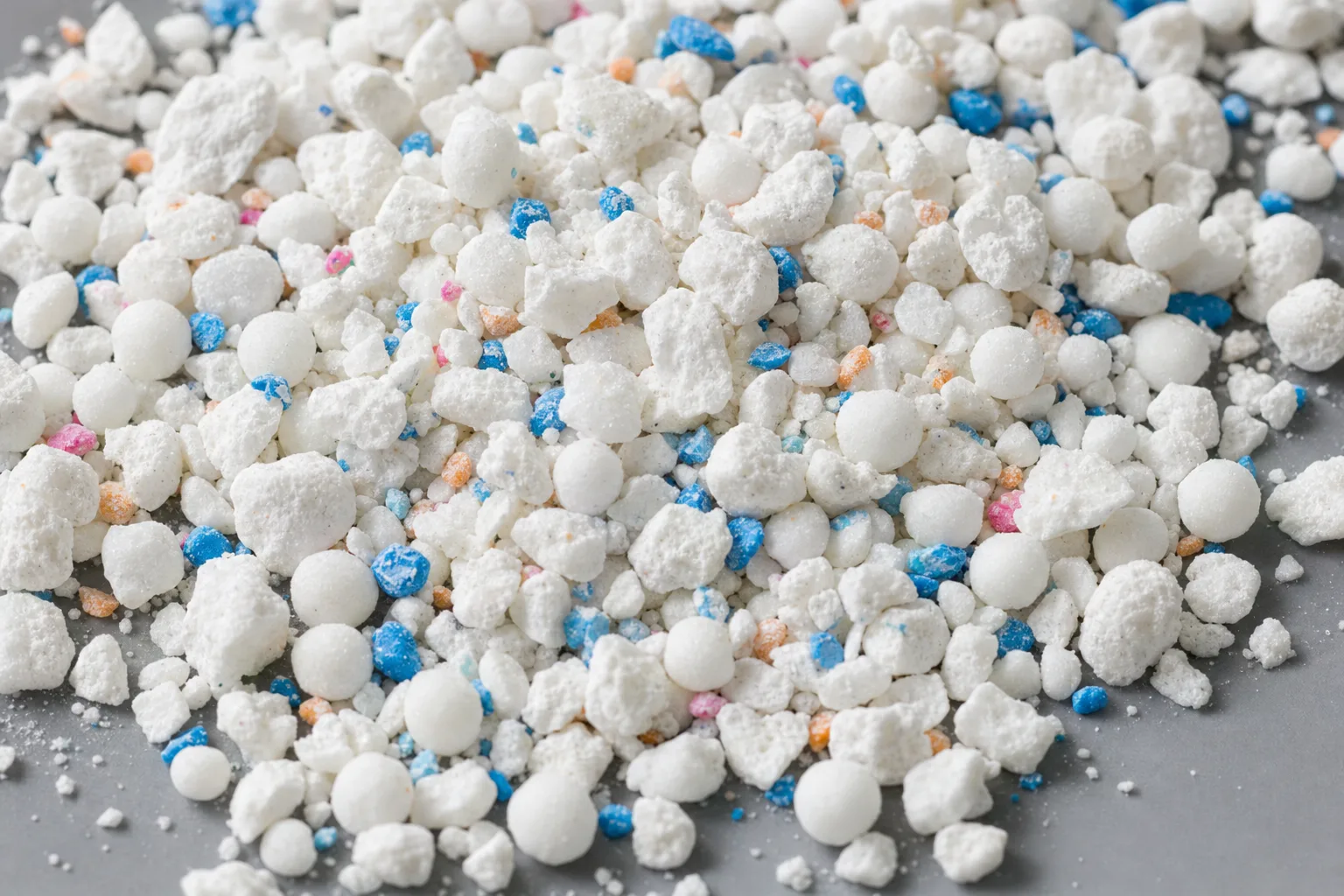
Close-up of detergent powder, showing particle size and texture.

Material

Detergent Powder

Detergent powder is a designed blend that handling tends to take apart.

Spray-dried granules are hollow and break easily, post-dosed components differ in size and density, and the finished product has to arrive in the carton with the recipe intact.

Explore
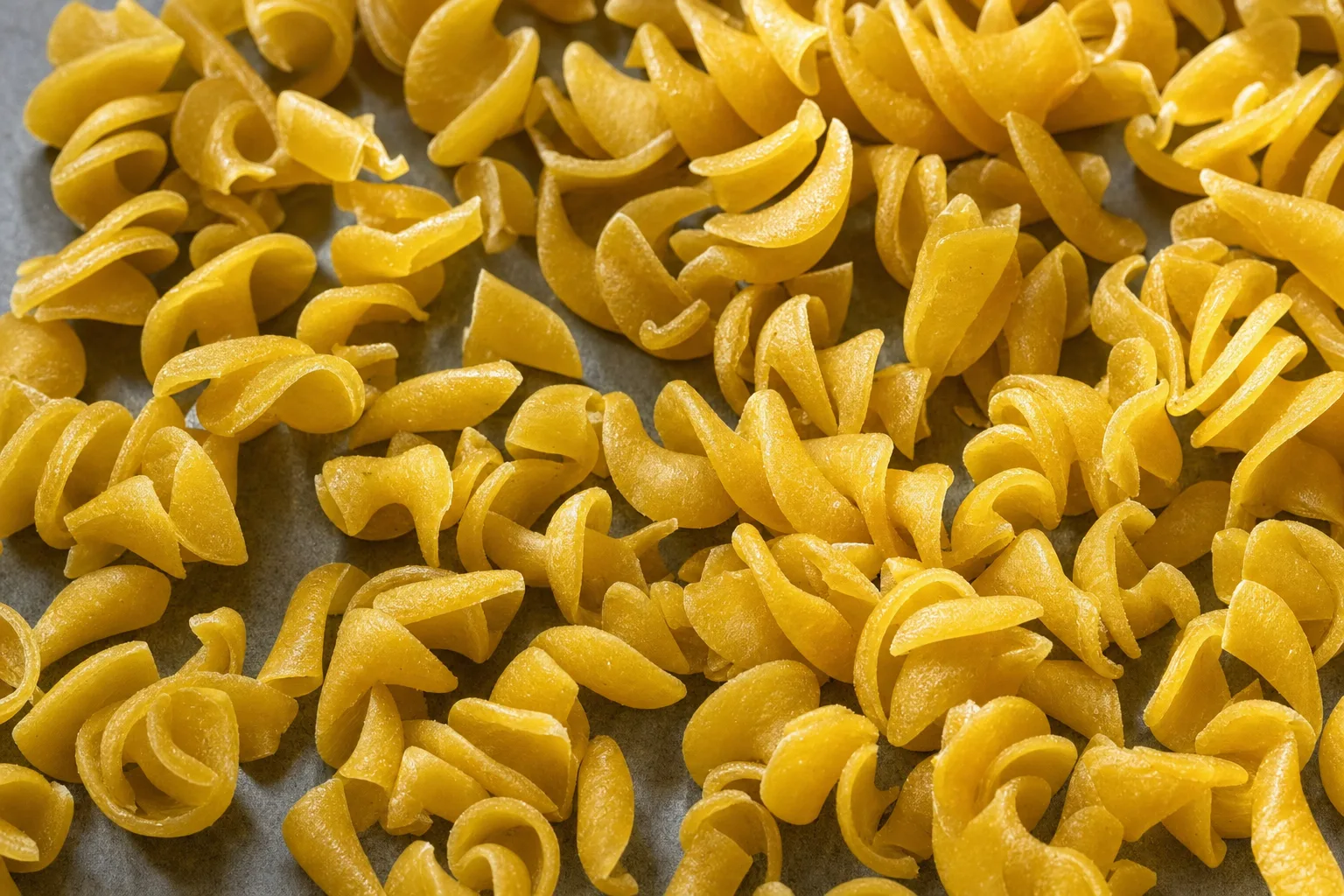
Close-up of dry pasta, showing particle size and texture.

Material

Dry Pasta

Pasta leaves the dryer at full value and loses it one drop at a time.

Short shapes break at impacts, long shapes bend and snap, and the fines end up as a dusty, unsellable fraction at the bottom of every container.

Explore
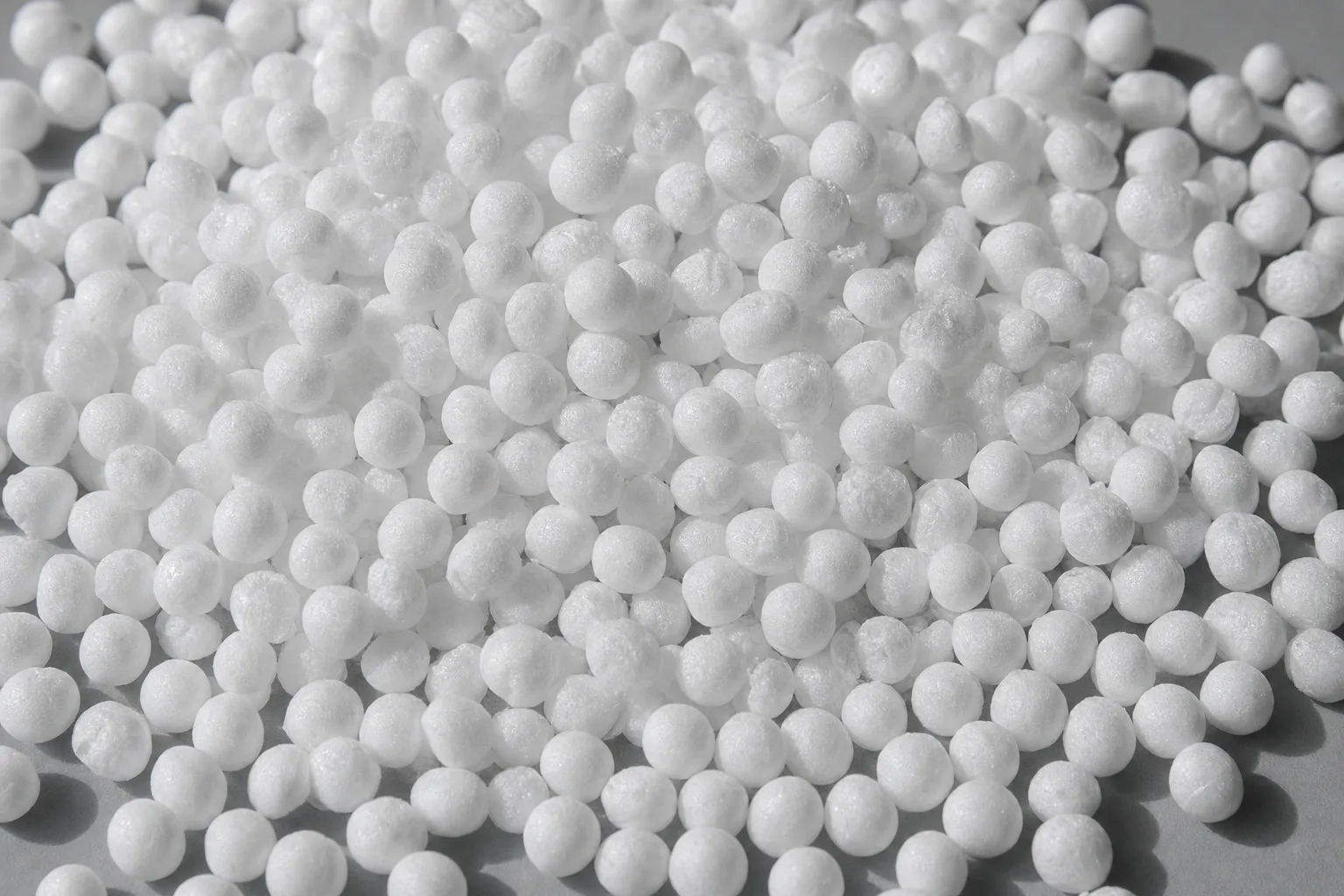
Close-up of expanded polystyrene beads, showing particle size and texture.

Material

Expanded Polystyrene Beads

EPS beads weigh almost nothing and bring a flammable gas with them.

Pre-expanded beads release residual pentane during ageing, so the silo atmosphere is the controlling design question rather than the flow behavior.

Explore
Editorial illustration of flour moving through enclosed conveying, screening and mixing equipment

Material

Flour

Flour handling covers receiving, storage, transfer, screening, dosing and blending, designed around the actual flour and the production standard rather than a generic description.

Hygienic access, contamination control, dust containment and a site-specific combustible-dust assessment belong in the specification before equipment selection — a product name alone establishes no flow, exposure or explosion design values.

Explore
Close-up of fly ash, showing particle size and texture.

Material

Fly Ash

Fly ash behaves like a liquid when aerated and like concrete when it is not.

That switch is what breaks feeders: an ash that floods through a rotary valve in the morning can arch over the same outlet after a weekend of consolidation.

Explore
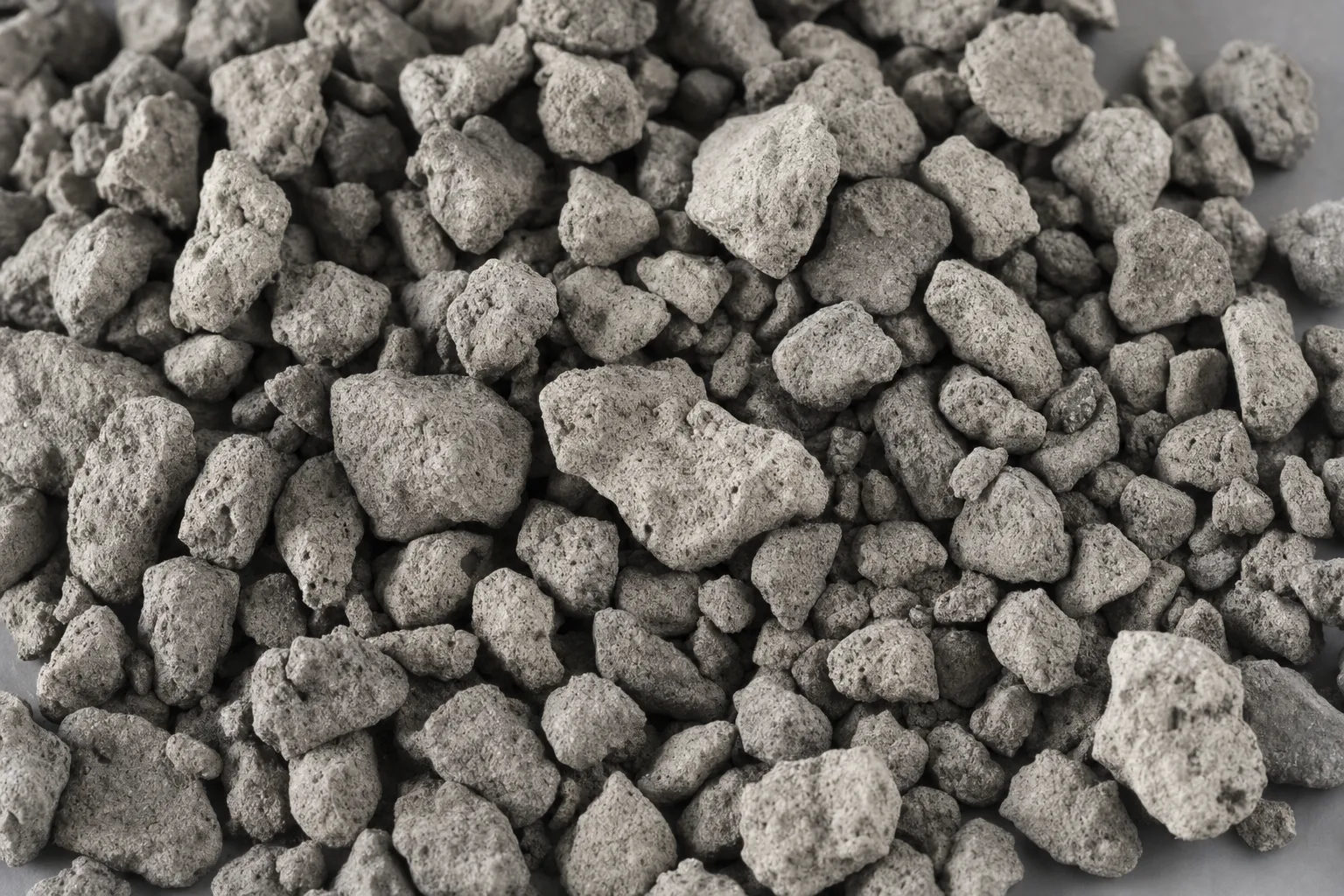
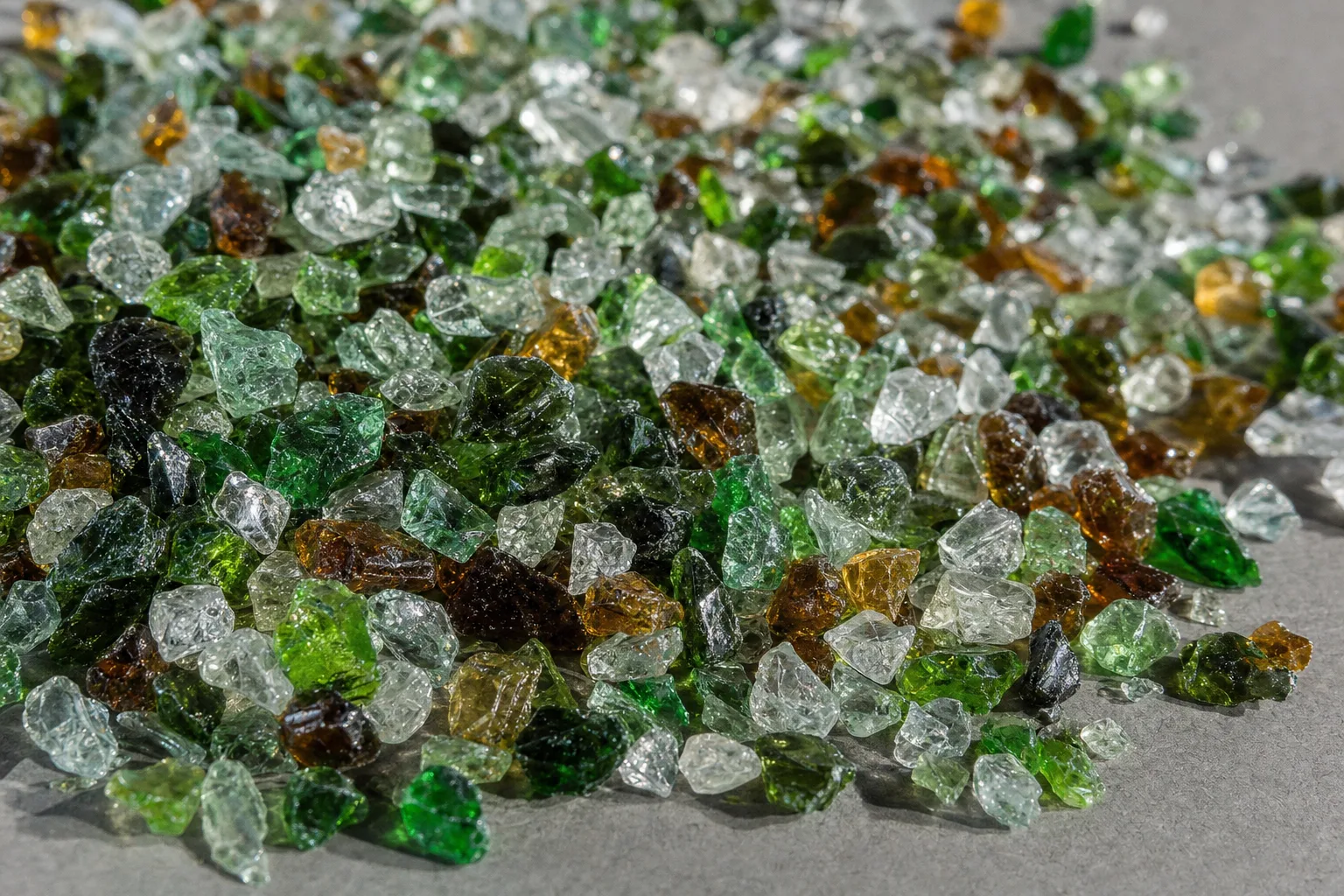
Close-up of glass cullet, showing particle size and texture.

Material

Glass Cullet

Cullet is cheap material that destroys expensive equipment and ruins expensive glass.

Sharp edges cut belts and liners, and a single ceramic fragment that reaches the furnace becomes an inclusion in the finished product.

Explore
Editorial illustration of granulated sugar feeding from a hopper through enclosed handling equipment

Material

Granulated Sugar

Granulated sugar systems should control moisture exposure, particle damage, segregation, dust release and contamination from receiving through dosing and blending.

Base equipment selection on the specified crystal distribution, operating range and cleaning standard.

Explore
Close-up of gypsum powder, showing particle size and texture.

Material

Gypsum Powder

Gypsum is a powder that can turn into a solid inside your equipment.

Stucco leaving a calciner is hot, cohesive and chemically thirsty, and any moisture it meets starts a setting reaction that no vibrator will undo.

Explore
Close-up of hydrated lime, showing particle size and texture.

Material

Hydrated Lime

Hydrated lime is cohesive, light and caustic, and it rewards every design shortcut with a blocked outlet.

It bridges over small openings, coats walls, and reacts with carbon dioxide and moisture from the air it is stored with.

Explore
Close-up of infant formula powder, showing particle size and texture.

Material

Infant Formula Powder

Infant formula is handled under the strictest hygiene regime in food manufacturing, because the consumer has no immune reserve.

The controlling risks are microbiological ingress into the dry area and loss of blend uniformity between mixer and can.

Explore
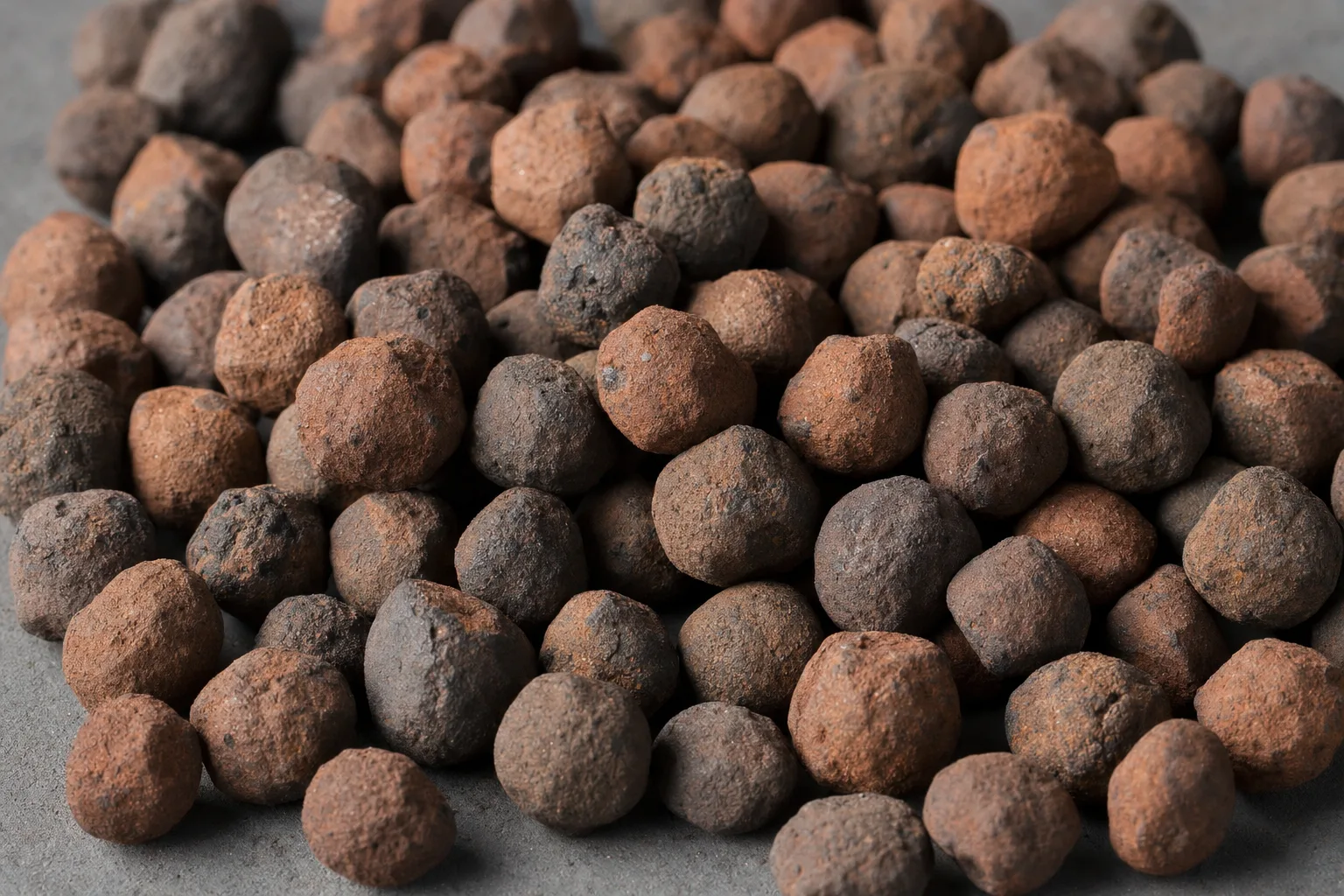
Close-up of iron ore pellets, showing particle size and texture.

Material

Iron Ore Pellets

Pellets are made to survive the blast furnace, not your transfer tower.

Every impact chips the surface, and the fines that result are both a quality penalty at the furnace and a dust problem in the yard.

Explore
Close-up of lactose, showing particle size and texture.

Material

Lactose

Lactose is the workhorse excipient, and the grade on the label decides how the plant behaves.

Sieved crystalline, milled and spray-dried lactose have different flow, compaction and segregation behavior even though the chemistry is identical.

Explore
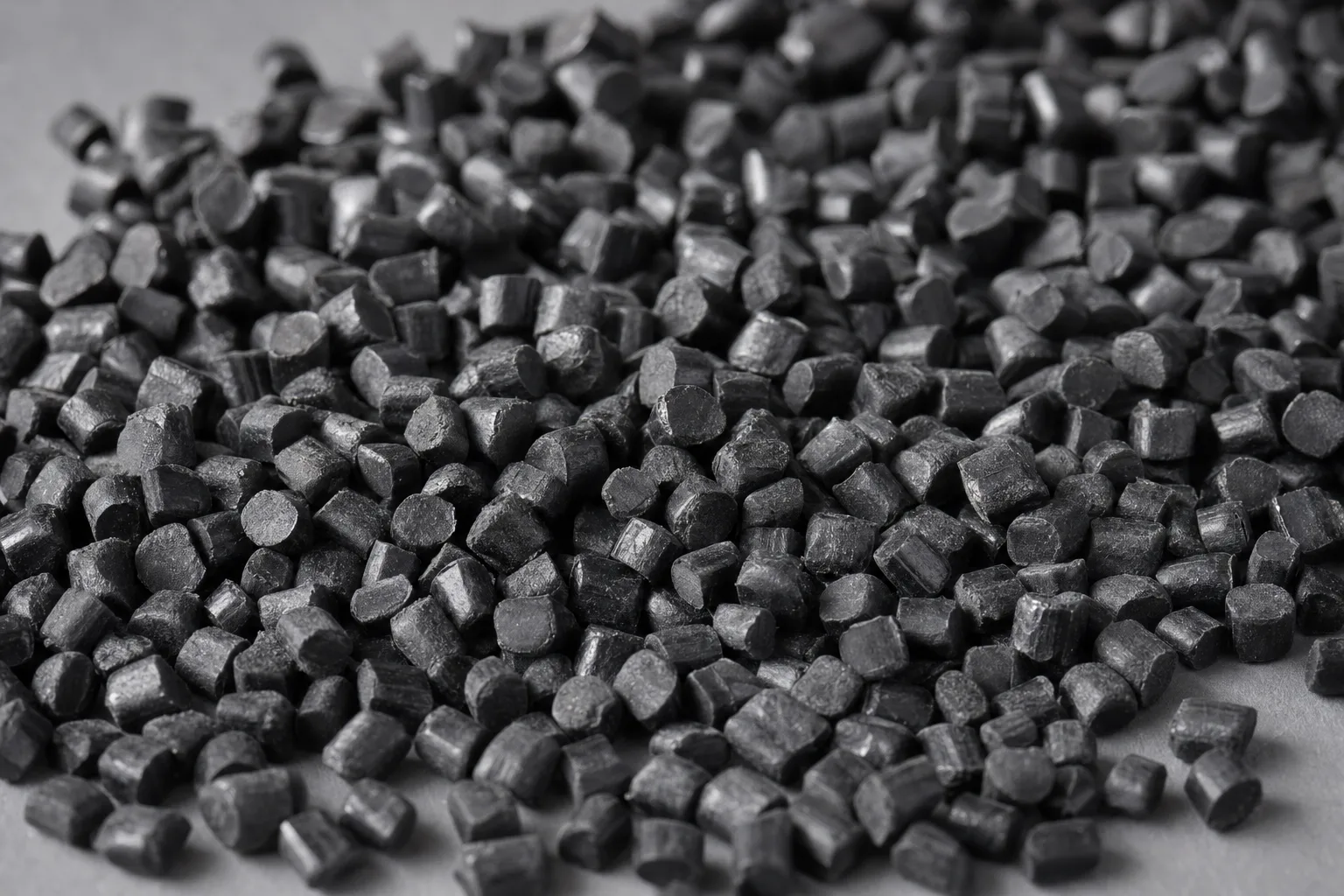
Close-up of masterbatch, showing particle size and texture.

Material

Masterbatch

Masterbatch is dosed at a few percent, which means a small error in the feeder is a large error in the product.

Colour deviation and additive underdosing both show up in the finished part, and overdosing simply burns money.

Explore
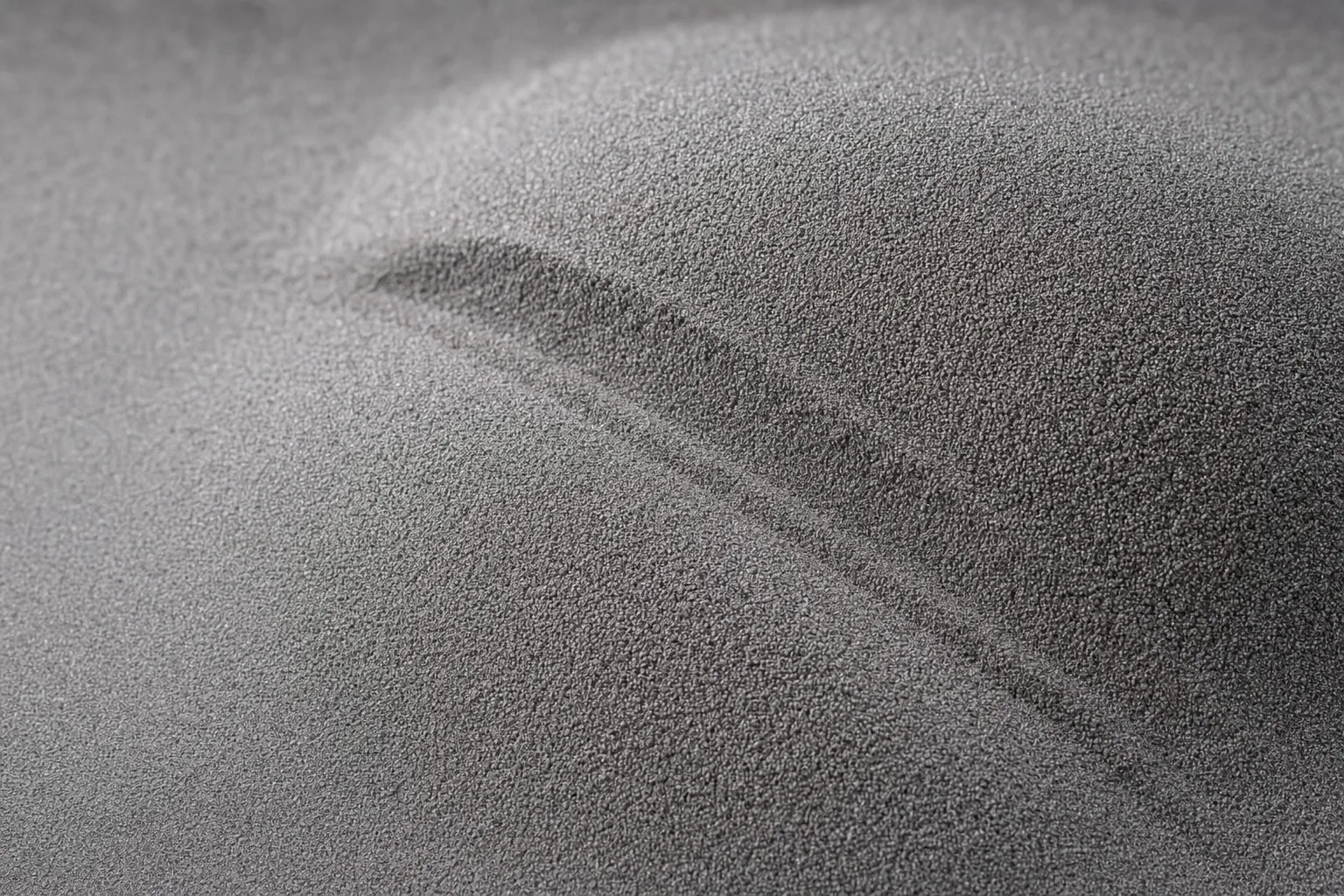
Close-up of metal powders for additive manufacturing, showing particle size and texture.

Material

Metal Powders for Additive Manufacturing

With AM powder the handling system is part of the material specification.

Spherical, free-flowing powder prints well, and everything in the plant either preserves that condition or quietly destroys it through oxygen pickup, moisture and satellite formation.

Explore

About materials

Why the material comes before the machine

Two plants buy the same rotary valve. One runs it for nine years. The other replaces the rotor after eleven months.

The valve is identical. The material is not.

Bulk solids are not a single class of substance. They are thousands of substances that happen to be divided into pieces, and the division is what makes them difficult. A powder can flow like water in one hour and stand like a wall in the next, after nothing changed but the humidity in the building.

That is why every page in this section starts with the material and works outward to the equipment, rather than the other way round.

The five properties that change a design

Flow behaviour

Flow behaviour decides the shape of the outlet, the wall angle and whether a discharge aid is needed at all. It is not a single number. The usual measurement is a shear test that produces a flow function, from which the minimum outlet dimension for arching and for ratholing is calculated.

Free-flowing sugar needs a small outlet and no help. A cohesive filter dust may need an outlet three times wider, steeper walls and a live bottom, for the same tonnes per hour.

Cohesion and time at rest

Many materials gain strength while they sit. Hygroscopic powders take up water and cake. Fine mineral powders consolidate under their own weight.

A silo that discharges correctly on Friday can be solid on Monday. If a material does this, the measurement has to include time consolidation, not just the fresh condition.

Abrasiveness

Abrasiveness sets the velocity limit and the wear budget. Alumina, sand, cement and fly ash erode bends, valve seats and screw flights, and the damage goes up steeply with speed.

In pneumatic conveying the usual response is dense phase at low velocity rather than dilute phase at high velocity. In mechanical conveying it is a harder liner, a larger radius or a slower belt.

Moisture and temperature

Moisture changes almost everything else. It makes cohesive materials more cohesive, starts hydration in binders such as cement and lime, and turns a free-flowing powder into a crust on the wall.

Where moisture matters, the conveying air is part of the specification: a dew point, a filtration class and, in food plants, an oil-free compressor.

Dust and explosion behaviour

Most organic powders and many metal powders form explosible dust clouds. The design values are the maximum explosion pressure and the deflagration index, measured in a standard test vessel, together with the minimum ignition energy and the minimum ignition temperature.

These numbers decide vent area, isolation and whether an inerting system is required. They are properties of the specific material, not of the material class, and a change of supplier can change them.

What a material page gives you

  • How the material behaves in handling, in plain terms.
  • Which technologies are normally used with it, and why.
  • Which applications it appears in across industries.
  • Documented video examples of equipment handling it or a close equivalent.
  • Independent sources for the safety and regulatory points.

The limits of a material page

A page describes typical behaviour of a named material. It does not replace a test on your material.

Two batches of the same product can differ enough to change the outlet size, because particle size distribution, moisture and additives differ. Where a decision is expensive or safety-related, the sequence is the same everywhere: sample the real material, measure it in a laboratory, then size the equipment from the measurement.

What a page can do is tell you which property is likely to govern, which question to ask the supplier, and which failure mode to look for before it happens.

How materials connect to the rest of the site

A material rarely appears alone. It arrives in a bag or a tanker, passes a feeder, a conveyor and a mixer, and leaves in a package.

Each material page therefore links into the technologies that handle it, the industries that use it and the applications where the two meet. If you arrived here with a material in mind, that chain is the fastest way to the equipment decision behind it.

The numbers you will meet on these pages

Bulk density is two numbers, not one

Loose poured density and tapped or consolidated density can differ by a third for a fine powder. A silo sized on the loose figure holds less than planned; a feeder calibrated on the tapped figure runs light after a refill.

Where both matter, both are given.

Angle of repose is an indicator, not a design value

It is easy to measure and widely quoted, and it tells you roughly whether a material is free flowing or cohesive. It does not give an outlet dimension, because it says nothing about the strength the material gains under consolidation.

Use it to sort materials. Use a shear test to size the hopper.

Explosion severity is classified in bands

The deflagration index is measured in a standard test vessel and sorts combustible dusts into bands: St 1 up to 200 bar m/s, St 2 from above 200 to 300, St 3 above 300. Metal dusts such as aluminium commonly reach St 3; most food and plastic powders sit in St 1.

The band decides the scale of the protection, not whether protection is needed. A St 1 dust in a confined vessel is still an explosion.

Particle size distribution explains the surprises

Most handling problems trace back to the fines, not the average. A free-flowing granule with ten percent fines behaves like the fines in a silo, because the fines fill the gaps, carry the load and bridge the outlet.

When a material changes supplier and starts causing trouble, the distribution is the first thing to compare.

Frequently asked questions

Why does the same equipment behave differently with two similar powders?
Because handling behaviour follows particle size distribution, moisture, shape and surface, not the chemical name. Two batches of the same product can have different flow functions, and the outlet that works for one can arch with the other.
Which single property matters most?
Flow behaviour, because it decides whether material leaves the vessel at all. Abrasiveness and explosion behaviour decide how long the equipment lasts and how it must be protected, but a design that does not discharge is not a design.
Can I size a silo outlet from a material page?
No. A page tells you which property governs and what to expect. Outlet dimensions come from a shear test on your own material, including time at rest if the material gains strength while stored.
Do these pages cover explosion protection values?
They name the behaviour and the decisions it drives. The design values for vent area and isolation come from a test on the specific dust, because they vary between suppliers and batches of the same material.

Partner with powderbulkvideos.com

Put your technical expertise in front of engineers who are already researching.

Build a connected company, video and technology presence with clearly labelled partner visibility and measurable placement performance.