
Material
Cocoa Powder
Answer in brief
Cocoa powder is difficult for one reason: the fat that is still in it.
Residual cocoa butter softens at warehouse temperatures, and a powder whose particles are slightly sticky bridges in hoppers, coats walls and packs under its own weight.
- Treat temperature as a flow property, not an ambient condition.
- Size outlets for the cohesive, consolidated state.
- Expect wall buildup and design for cleaning it off.
Reviewed October 21, 2026 · Updated November 10, 2026
Handling challenges
Alkalized or natural, cocoa powder still carries between roughly 10 and 24 percent cocoa butter, and that fat decides how the powder behaves.
Above about 25 degrees Celsius the fat softens, particles begin to adhere, and a powder that discharged yesterday will arch today.
Temperature is a flow property
The same silo can run well in winter and block in summer without anything else changing.
Storage temperature, the temperature of the powder arriving from milling and the surface temperature of sun-exposed silo walls all belong in the design basis.
Where the plant cannot control warehouse temperature, the outlet and flow aid have to be sized for the worst case rather than the average.
Discharge design for a cohesive powder
Cocoa powder is a textbook cohesive solid, and the usual failure is an outlet that is simply too small.
- Measure the flow function and wall friction on the real powder at the real temperature.
- Prefer mass flow geometry; funnel flow leaves a core that consolidates further and eventually ratholes.
- Choose mechanical agitation or a bin activator over aggressive aeration, since fluidized cocoa floods and then packs.
Conveying and wall buildup
Dense phase conveying at low velocity is the common choice because it limits fat smearing and keeps particle damage low.
In dilute phase, high velocity polishes the pipe wall with fat and fines, and the resulting layer changes line resistance over weeks rather than hours.
Plan pipe routes with cleanable bends, inspection points and the shortest practical horizontal runs after an upward turn.
Hygiene and allergens
Cocoa lines usually run next to milk powder, nuts and sugar, so the allergen matrix is the real cleaning driver.
Dry cleaning is preferred; where water is used, the system has to be dried and verified before the next batch.
Dust and explosion control
Cocoa dust is combustible, and the fines collected in a filter are finer and more reactive than the bulk powder.
Mills, sifters, conveying lines and collectors should be assessed together, with isolation so an event in the collector cannot travel back into the process.
What to establish before buying equipment
- Fat content and the temperature range the plant can actually hold.
- Flow function and wall friction at the upper end of that range.
- Bulk density in the aerated and consolidated states, which differ widely.
- Explosion characteristics of the collected fines, not only of the product.
Storage and conditioning
Cocoa powder stores badly for one reason: the fat in it does not stay solid.
Residual cocoa butter softens from roughly twenty five degrees, and above that the powder becomes tacky in the silo rather than in the machine. A bed that discharged in the morning can be a solid block by afternoon on a hot day.
- Keep the storage temperature below the softening range and watch the top of the bed, where radiant heat arrives first.
- Expect time consolidation: cocoa gains strength while it stands, and the outlet has to be sized for the stood condition.
- Keep moisture out. A damp surface crust forms first and then falls into the product as lumps.
For the same reason, outdoor silos in warm climates are a poor idea unless they are shaded and vented.
What this means for equipment
Everything here follows from cohesion that changes with temperature.
Outlets are larger than the throughput suggests, walls steeper than they look necessary, and a discharge aid is normal rather than a repair. Where the product is dosed, a gravimetric feeder with an agitated hopper holds tolerance that a volumetric screw will not.
For transfer, vacuum conveying at modest velocity is the usual choice: it keeps a very fine, staining dust contained and avoids the wall build-up that a long pressure line develops.
- Agitated or live-bottom discharge rather than a plain cone.
- Temperature control along the line, not only in storage.
- Cleanable geometry; cocoa marks everything it touches.
Safety and regulatory
Cocoa dust is combustible, and the fat content does not change that.
Protection follows the measured values for the specific grade, and alkalized and natural cocoa can differ. The dust is fine enough to stay airborne for a long time, which is what makes a secondary explosion possible after a small primary one.
- Dust collection at every transfer, with the collector protected and isolated.
- Housekeeping as a safety measure: settled cocoa dust on beams is the fuel for the second event.
- Allergen control where the plant also runs milk or nut products.
In food terms, cocoa is a high-care ingredient: the line has to be cleanable to the plant standard, and the cleaning time belongs in the design.
Material behavior
- Flowability
- Poor to very poor, strongly temperature dependent
- Abrasiveness
- Low
- Cohesiveness
- High; bridges and rat-holes readily
- Moisture behavior
- Mildly hygroscopic; moisture worsens caking
- Contamination risk
- Allergen handling alongside milk and nut products
Partner with powderbulkvideos.com
Put a relevant technical solution in this decision path.
Connect your company and video evidence with clearly labelled visibility where engineers evaluate this material, application, industry or product.
Frequently asked questions
Why does cocoa powder bridge in a silo that worked last week?
Temperature. The residual cocoa butter softens from roughly twenty five degrees, the particles become tacky and the bed gains strength while it stands. The same silo with the same powder behaves differently on a warm day.
Can cocoa be conveyed in dilute phase?
It can, but the fine fraction coats the line and builds up, and the high velocity adds fines. Vacuum or dense phase at modest velocity keeps both the product and the room cleaner.
Is cocoa dust explosible?
Yes. It is an organic powder fine enough to form a cloud and stay airborne. Protection is designed from a test on the actual grade, because alkalized and natural cocoa differ.
Related content
Continue exploring
Move from this page to the companies, videos and technical topics that add useful context.
Companies
Videos
Magnum Systems
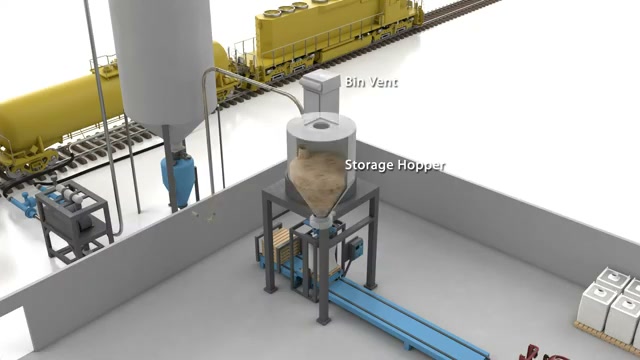
Dense Phase Conveying Process Flow Animation
Magnum Systems shows in a short animation how material travels through a dense phase line in slugs rather than as a continuous stream.
Total reach: 1,743
Hanningfield
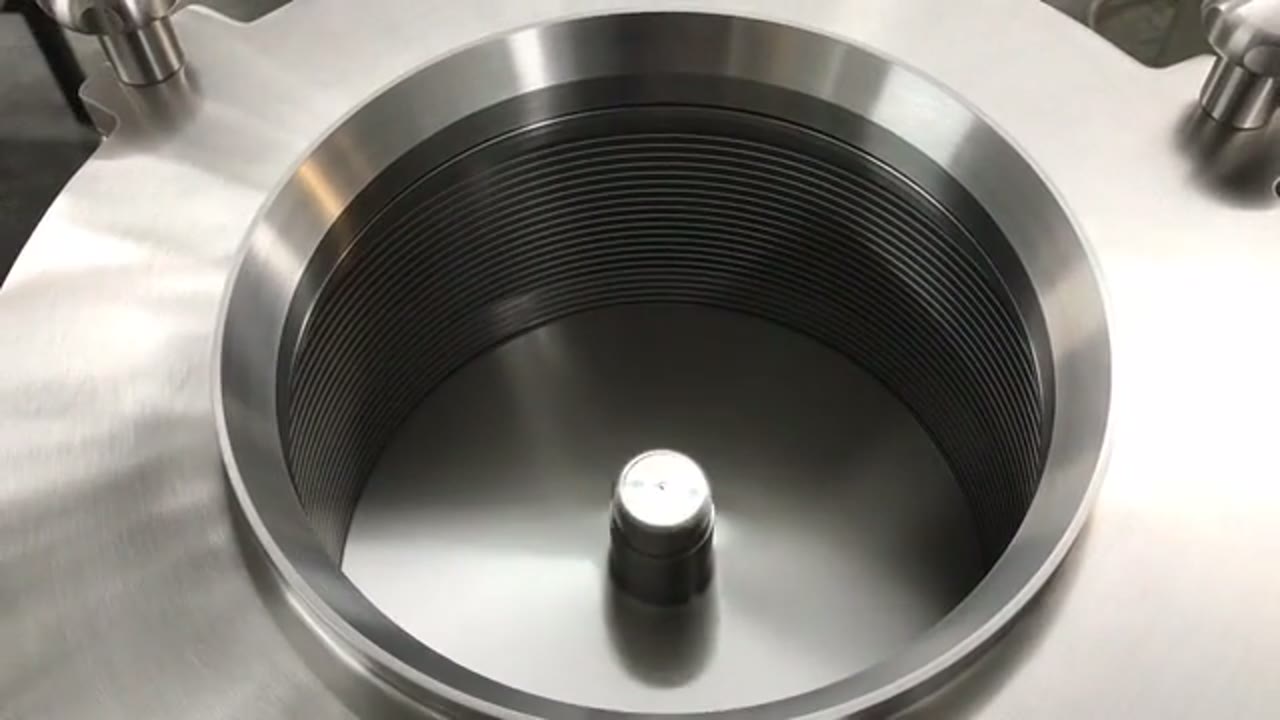
Hanningfield Centrifugal Sifter (Kwik-Sift)
Hanningfield's Kwik-Sift video walks through centrifugal sifting — rotating assembly, cylindrical screen, and separate discharge paths for product and oversize.
Technologies
- Dense Phase Conveying
- Dense Phase Conveying
- Dust Collection & Air Pollution Control
- Dust Collection & Air Pollution Control Technology Guide
- Explosion Protection
- Mixers & Blenders
- Mixers & Blenders for Powder and Bulk Solids
- Pneumatic Conveying
- Pneumatic Conveying Technology Guide
- Screening & Sieving Systems
- Screening & Sieving Systems for Powder and Bulk Solids
- Storage & Transportation