
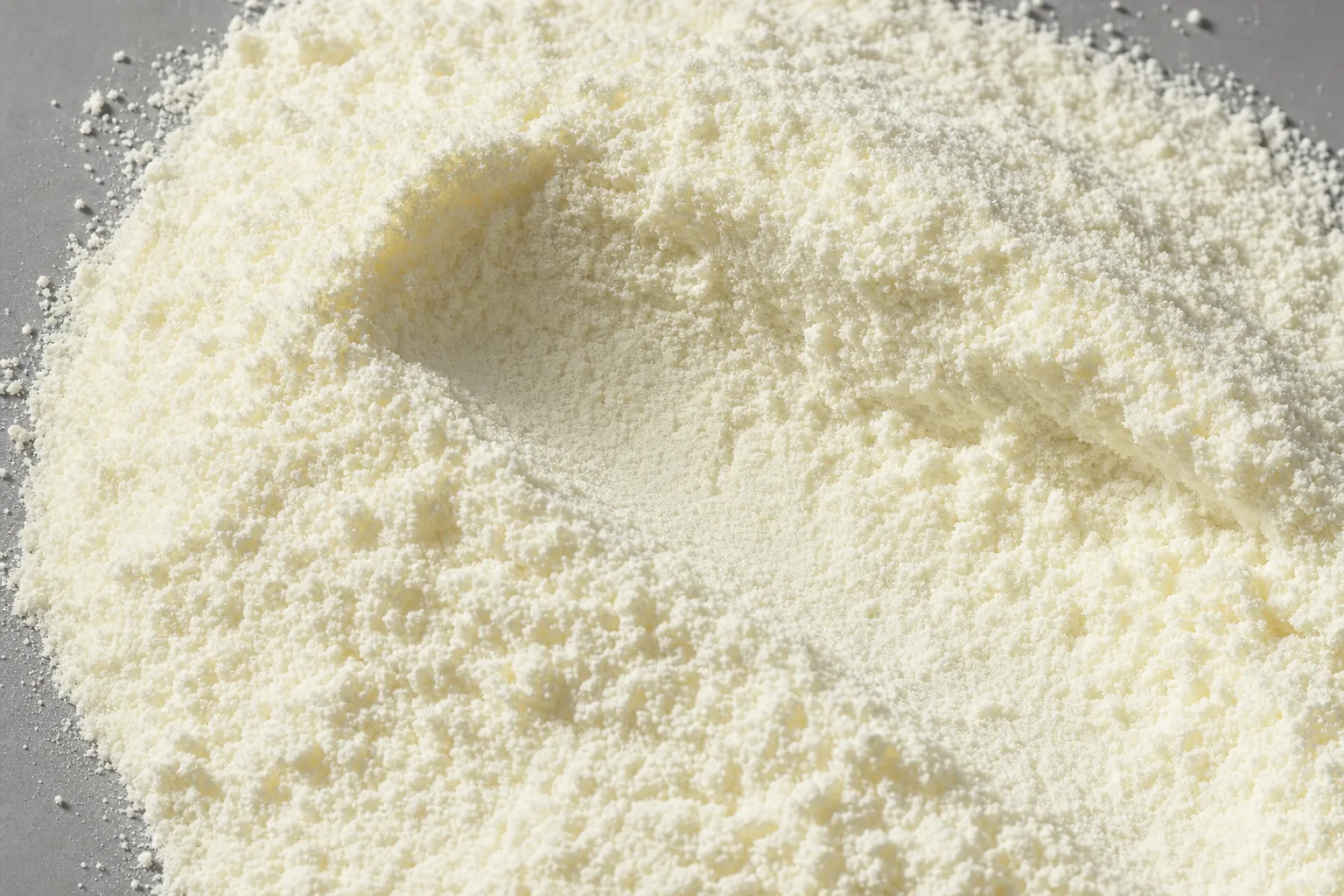
Material
Milk Powder
Milk powder behaves well when it is dry and badly as soon as it is not.
The powder picks up moisture from humid air, and the first consequence is caking in the silo rather than a visible problem in the bag.
powderbulkvideos.com knowledge hub
Equipment does not fail on its own. It fails on a material it was not sized for.
Every page here describes one material the way a handling engineer needs to see it: how it flows, how it packs, what it does to steel, what it does in air, and what that means for the machines around it.
54 published
Material
Milk powder behaves well when it is dry and badly as soon as it is not.
The powder picks up moisture from humid air, and the first consequence is caking in the silo rather than a visible problem in the bag.
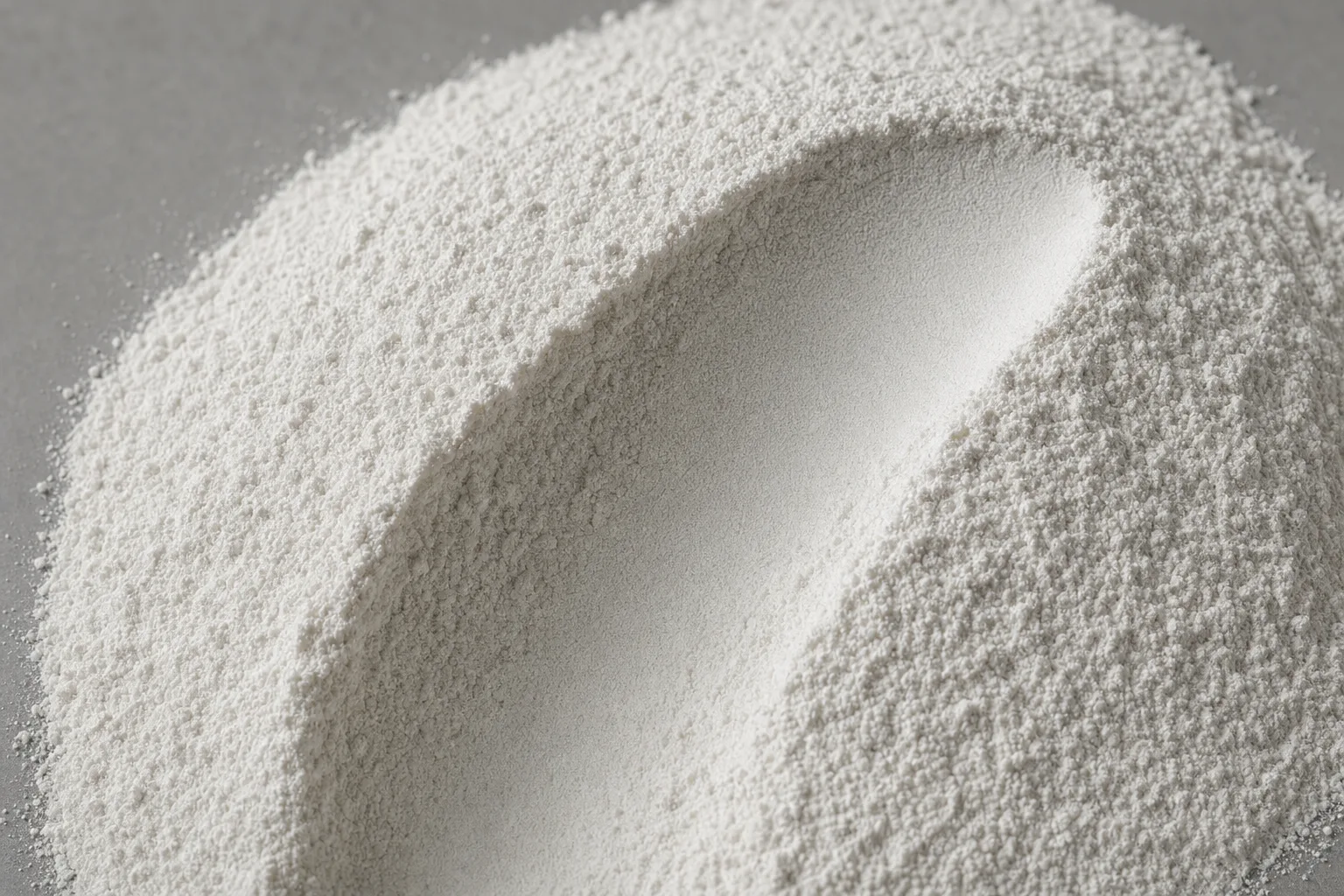
Material
PVC resin is a porous powder that holds air, charges strongly and degrades if it gets hot in the wrong place.
The handling system has to deliver a consistent bulk density to the compounder without creating hot spots or static.
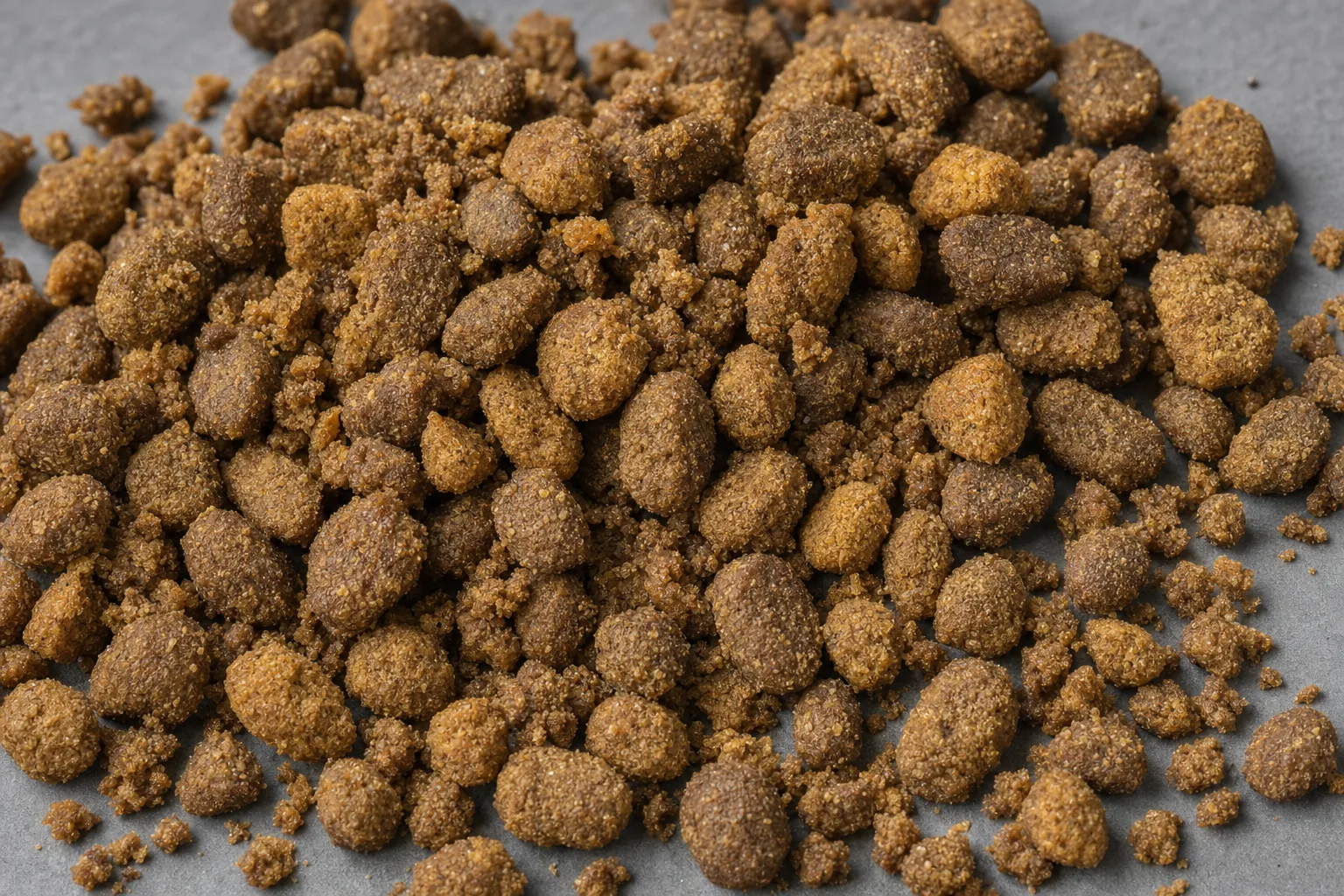
Material
Kibble leaves the coater as a finished product and arrives at the bag as whatever the conveying system left of it.
Breakage creates fines that look like poor quality in the bag, and fat coating transfers to every surface the product touches.
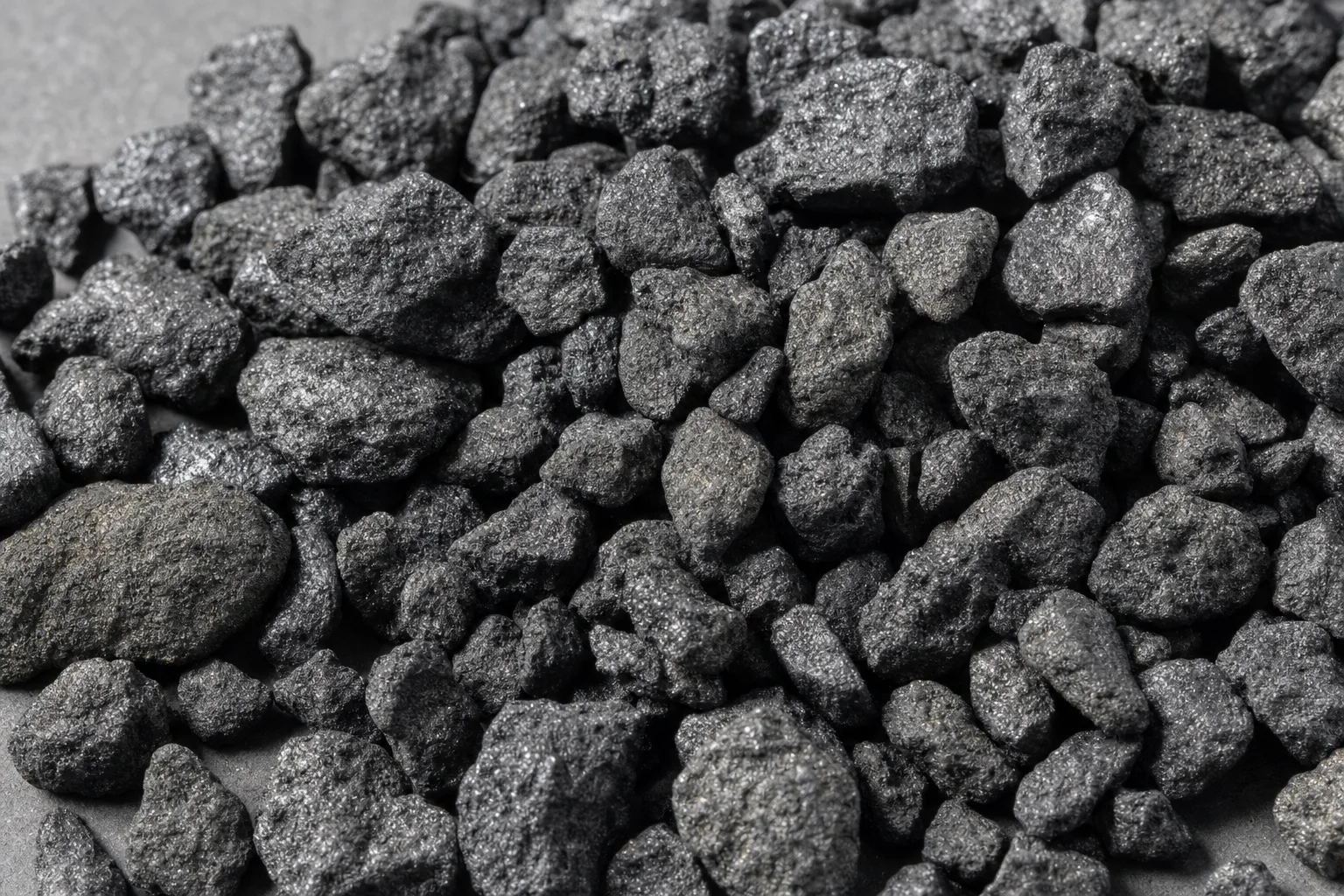
Material
Petcoke is abrasive, dusty and burns, which rules out treating it as ordinary coarse bulk.
The lump material wears the plant and the fines create both an emission problem outdoors and a combustible dust problem indoors.

Material
Pharmaceutical powder handling starts from the specific active ingredient, excipient or blend: its quality attributes, exposure controls and the validated manufacturing process.
Containment, cleaning, segregation, transfer, dosing and recovery decisions all need product-specific risk assessment and documented acceptance rather than a generic containment band.
Material
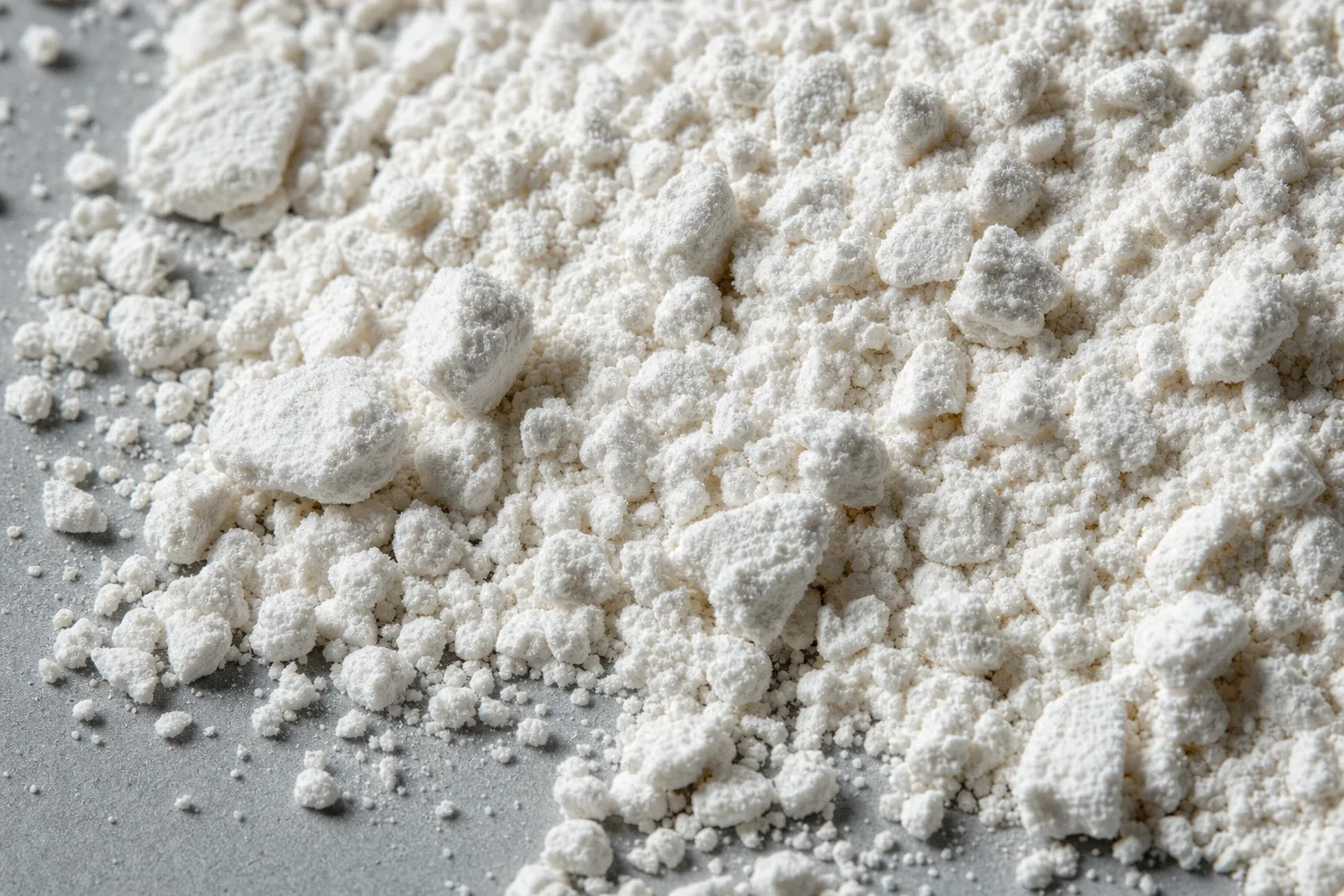
A tablet is a finished product from the moment it leaves the press, so every later transfer can only subtract value.
Chipping, capping and attrition show up as rejected batches and as dust that has to be captured before coating or packaging.

Material
Plastic pellet and resin handling should preserve the specified material condition while controlling contamination, segregation, fines, static and moisture from receiving through conversion.
Conveying, drying, storage and blending choices must reflect the exact polymer, additive package, particle form, throughput range and downstream quality criteria.
Material
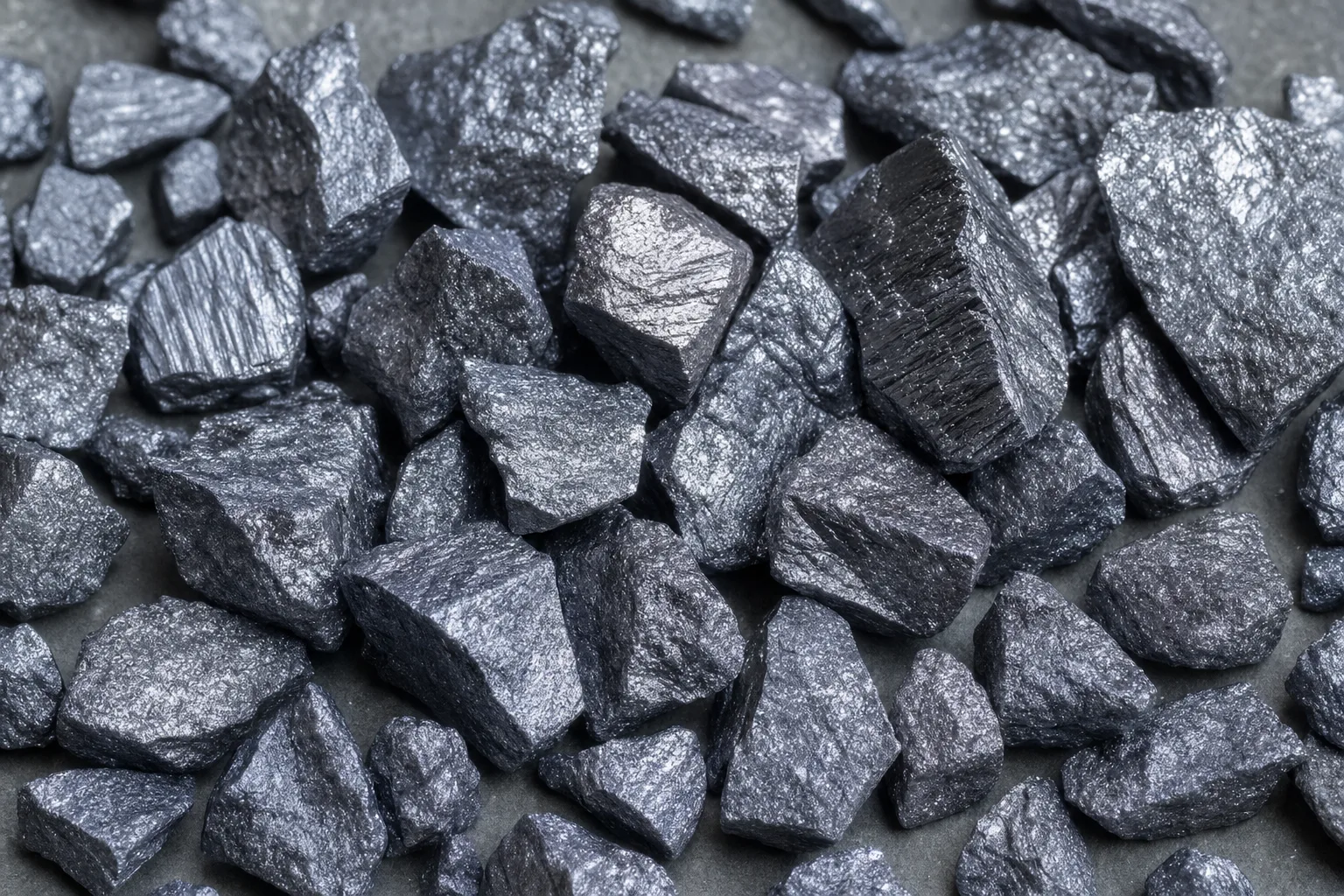
Polysilicon is priced on purity measured in parts per billion, so the handling system is judged by what it adds, not by what it moves.
Every steel surface the material touches is a contamination source, and every drop creates fines that carry the largest surface area per gram.
Material
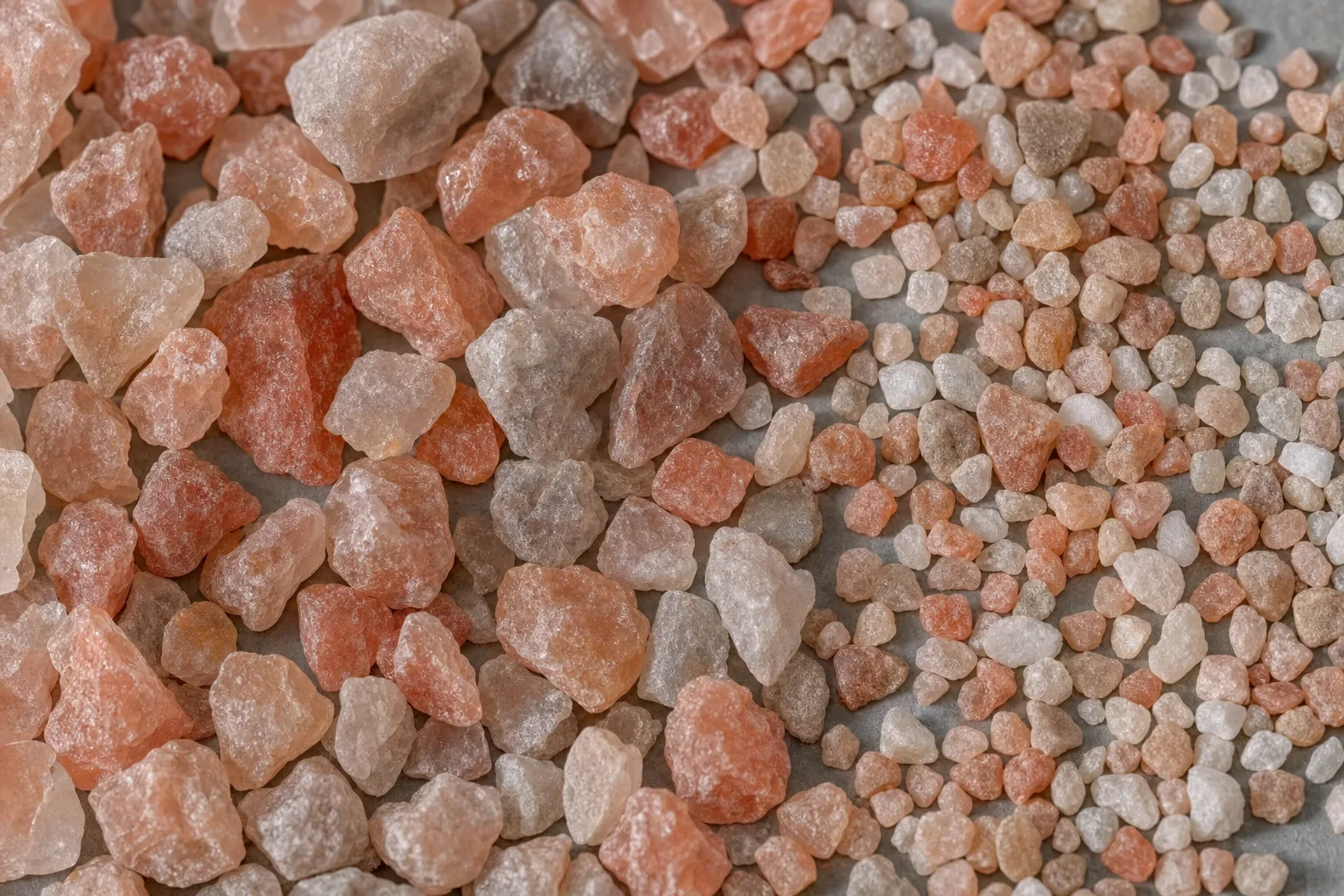
Potash is a salt, and it behaves like one: it takes up moisture, cakes hard and corrodes the building around it.
Terminal operators measure success in whether the pile can still be reclaimed after a humid month.
Material
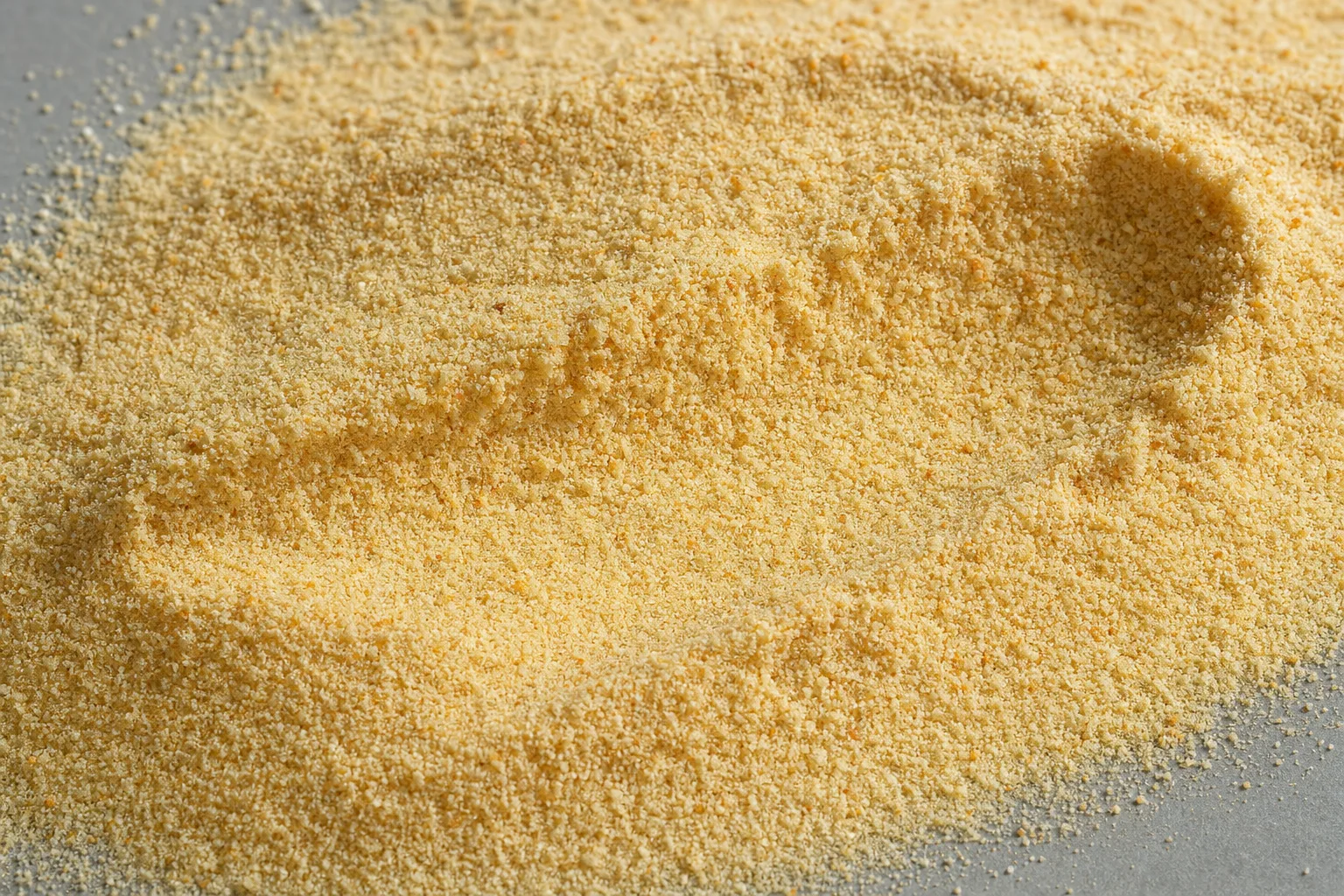
Snack products are worth more intact than broken, so the whole line from fryer to bagger is really a breakage budget.
Every drop, direction change and belt transfer costs pieces, and the loss shows up as fines in the bag and as seasoning that never reached the product.
Material
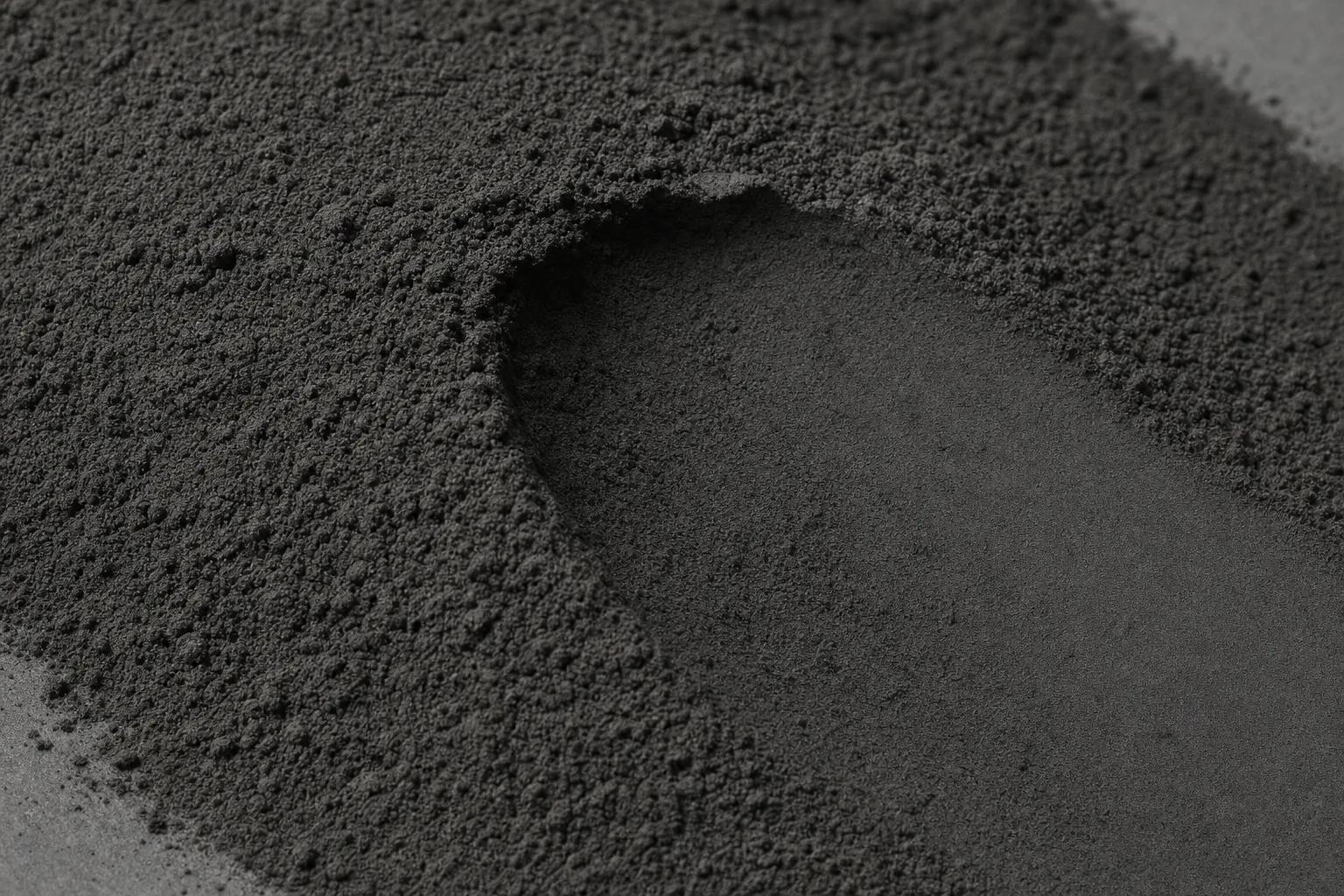
With pulverized coal the handling system is a fire safety system that happens to move material.
The powder is fine, combustible and capable of heating itself in a silo, so inerting, monitoring and prompt detection are the design basis rather than additions.
Material
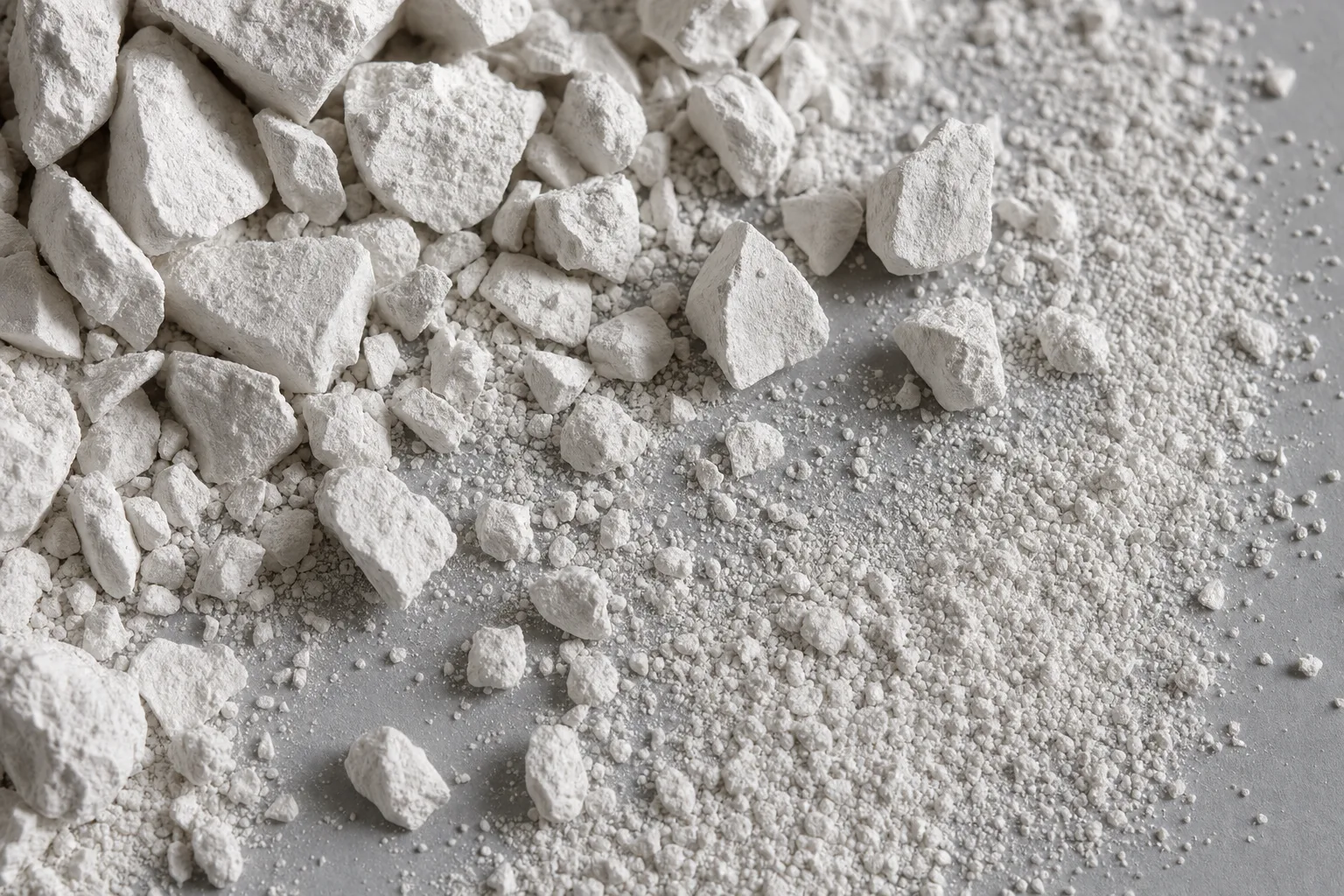
Quicklime reacts with water, and the reaction gives off enough heat to boil it.
That single property drives everything: moisture in the silo, in the conveying air or on an operator's skin turns a handling task into an injury or a blocked vessel.
Material
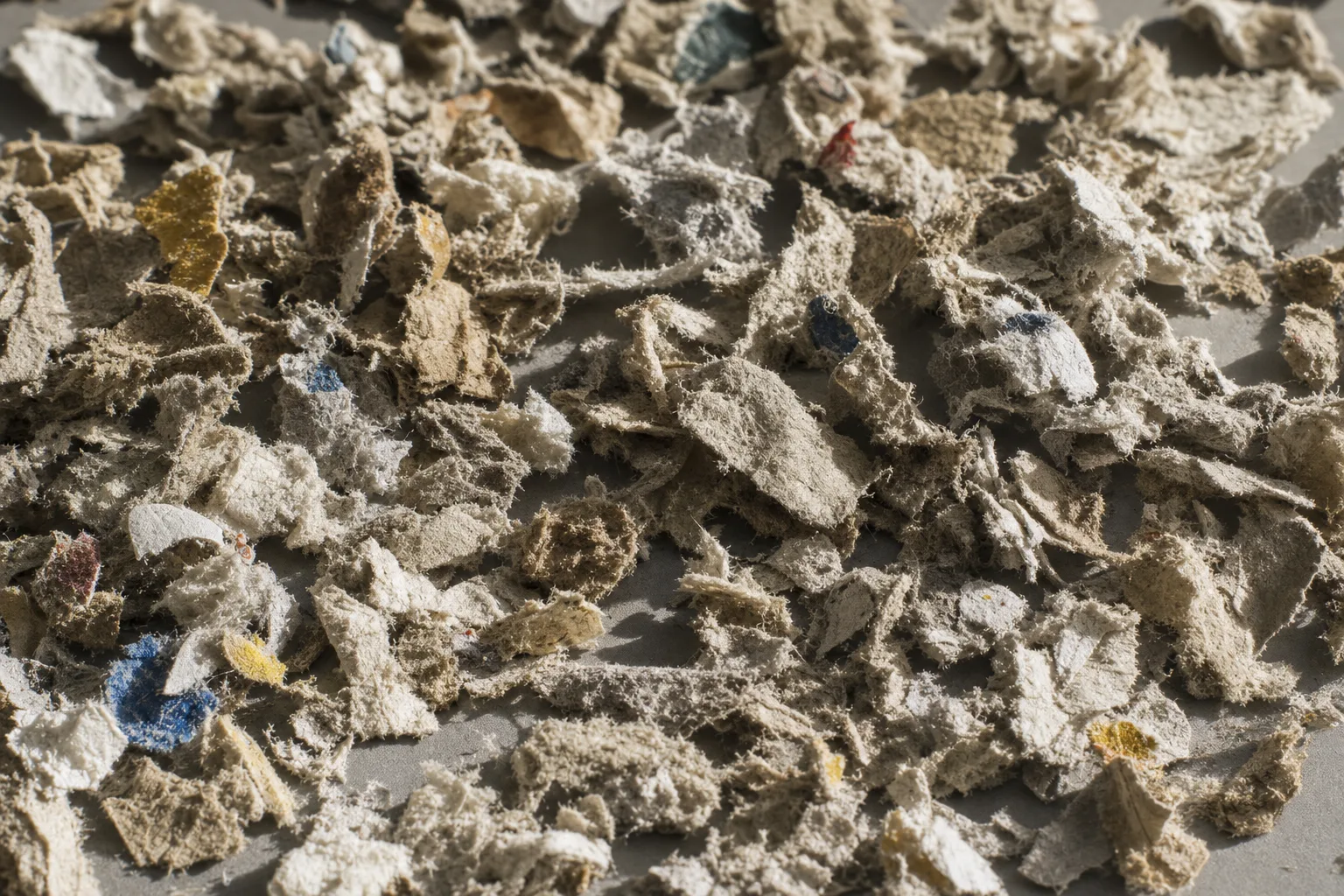
Recovered paper does not behave as a bulk solid at all; it behaves as a tangled mat.
Fibres and sheet fragments interlock, bridge across wide openings and wrap around anything that rotates.
Material
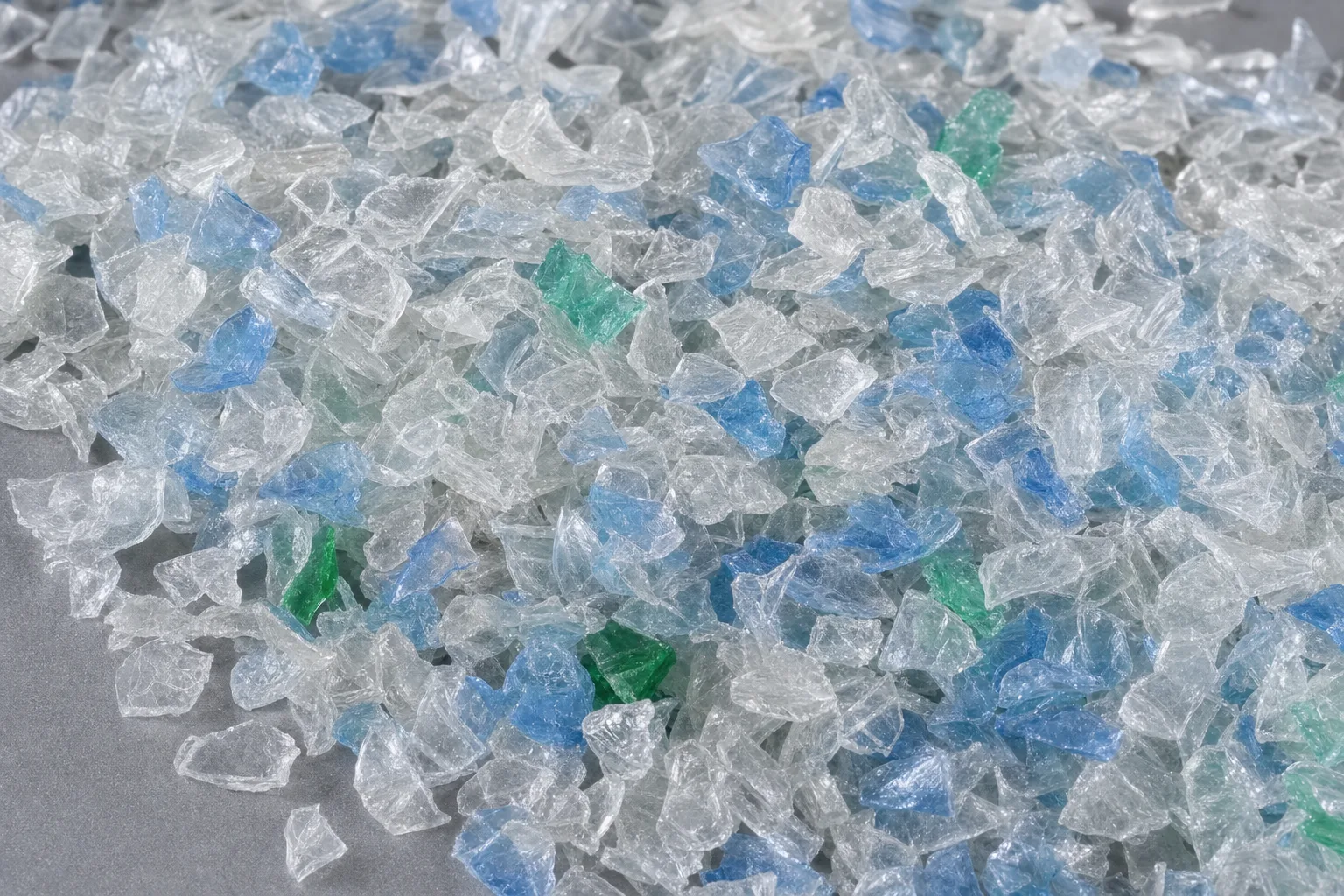
Flakes are not pellets, and equipment sized for pellets will disappoint.
They are flat, irregular and light, so they interlock in hoppers, cling to walls with static and take far more volume per tonne than virgin resin.
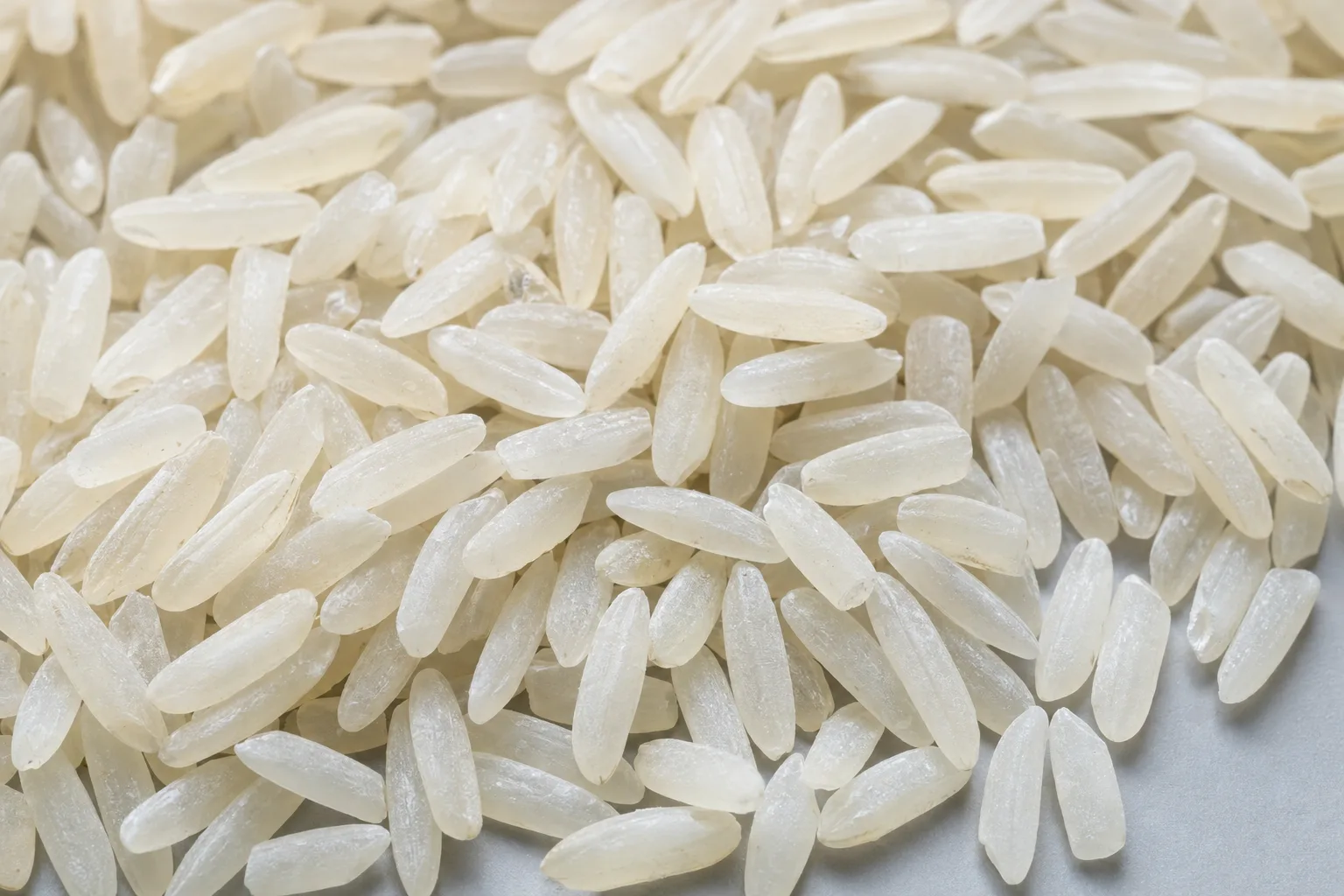
Material
In a rice mill the whole commercial argument is the share of whole grains, and conveying is one of the places it is lost.
Milled rice is brittle, and drops, screws and high velocity air all turn head rice into brokens that sell for a fraction of the price.
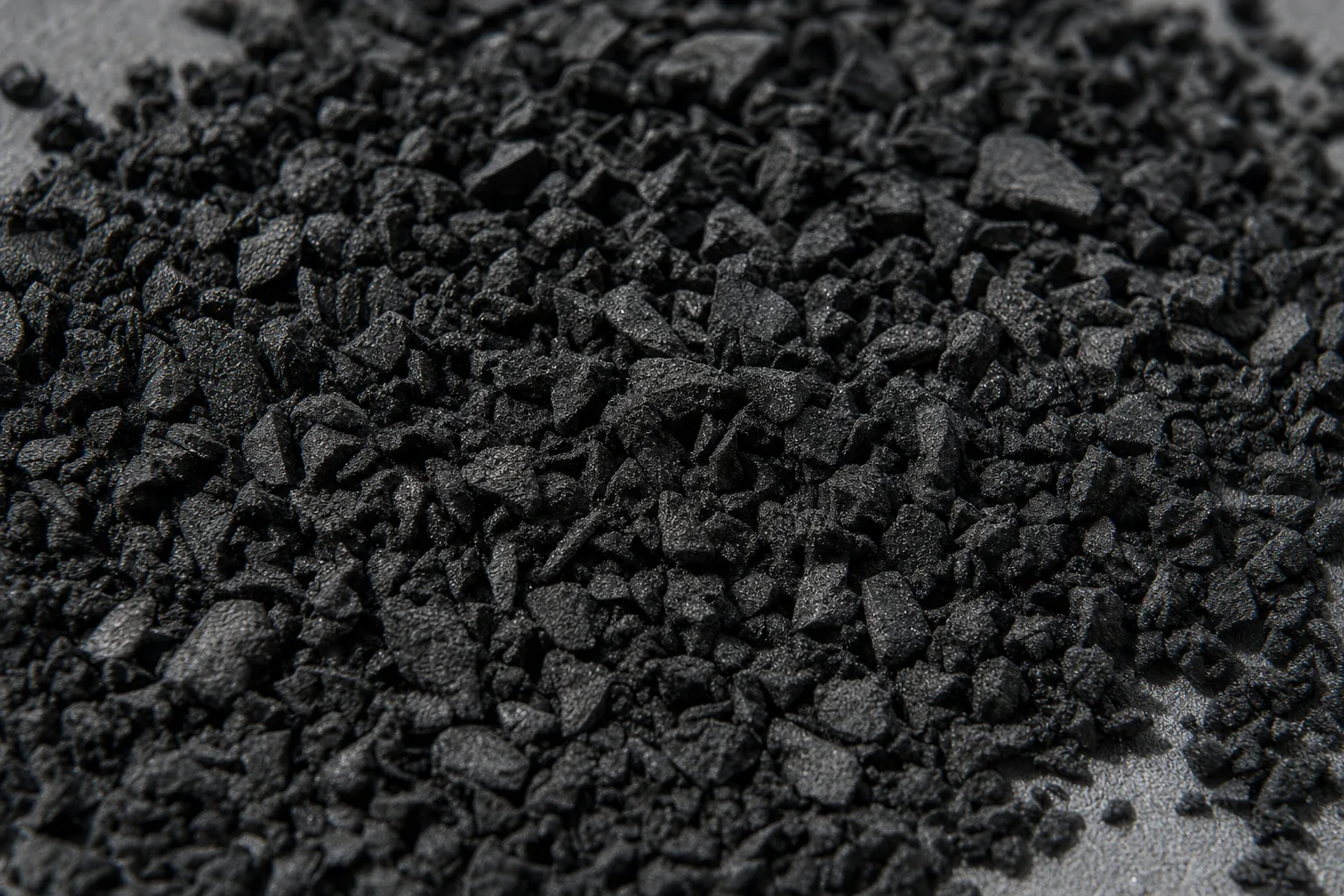
Material
Rubber crumb behaves unlike any mineral granule of the same size, because the particles are elastic and electrically charged.
They bounce rather than settle, cling to surfaces and carry textile fibre that blinds screens within hours.
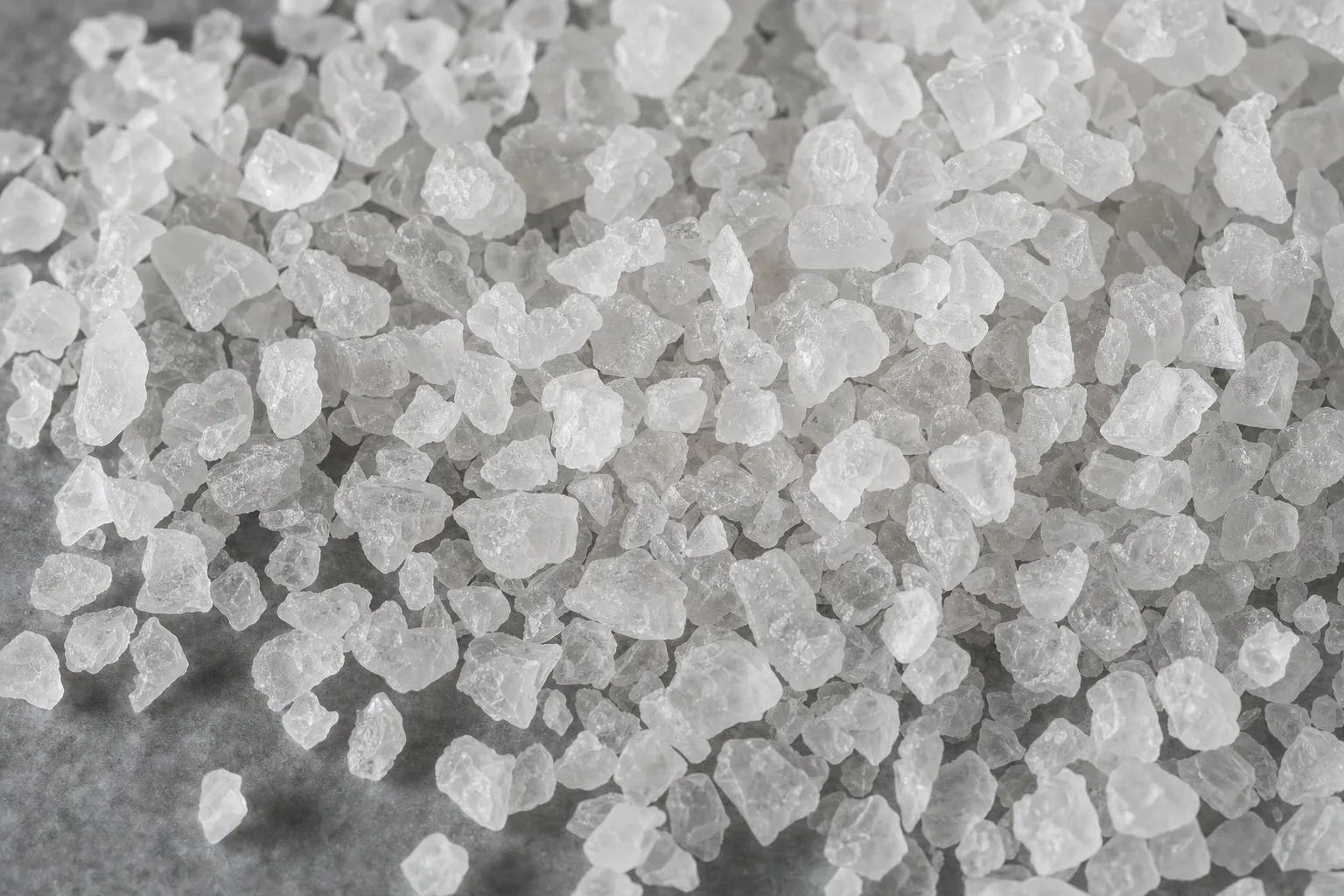
Material
Salt is easy to convey and hard to keep: it cakes with humidity and corrodes most of what it touches.
Above roughly 75 percent relative humidity salt takes up water from the air, and when conditions swing back it recrystallises into a solid block.
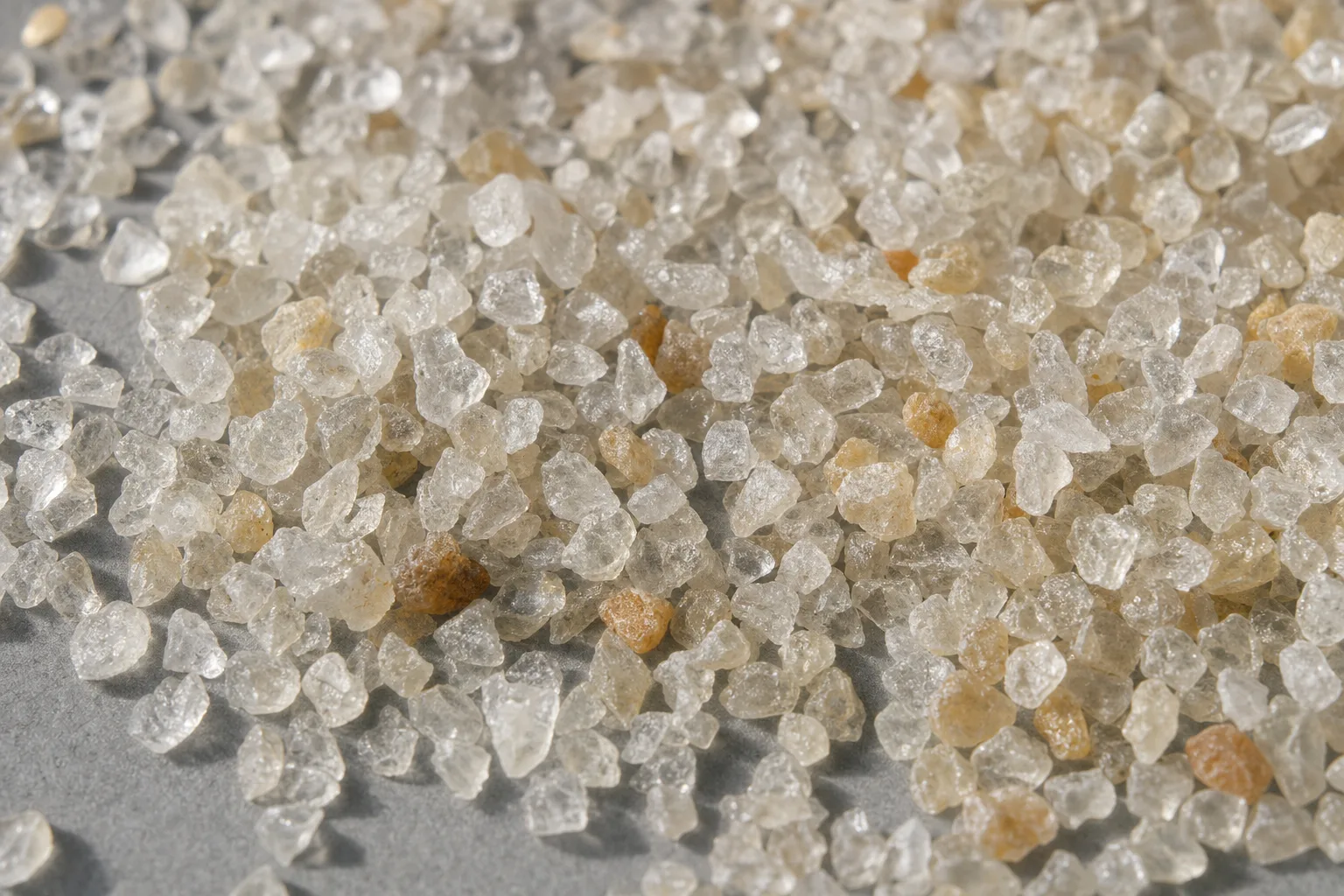
Material
Sand flows beautifully and destroys everything it flows through.
The handling question is rarely whether the material will move; it is how fast the bends, valve seats and screw flights will disappear, and how the respirable fraction is kept away from people.
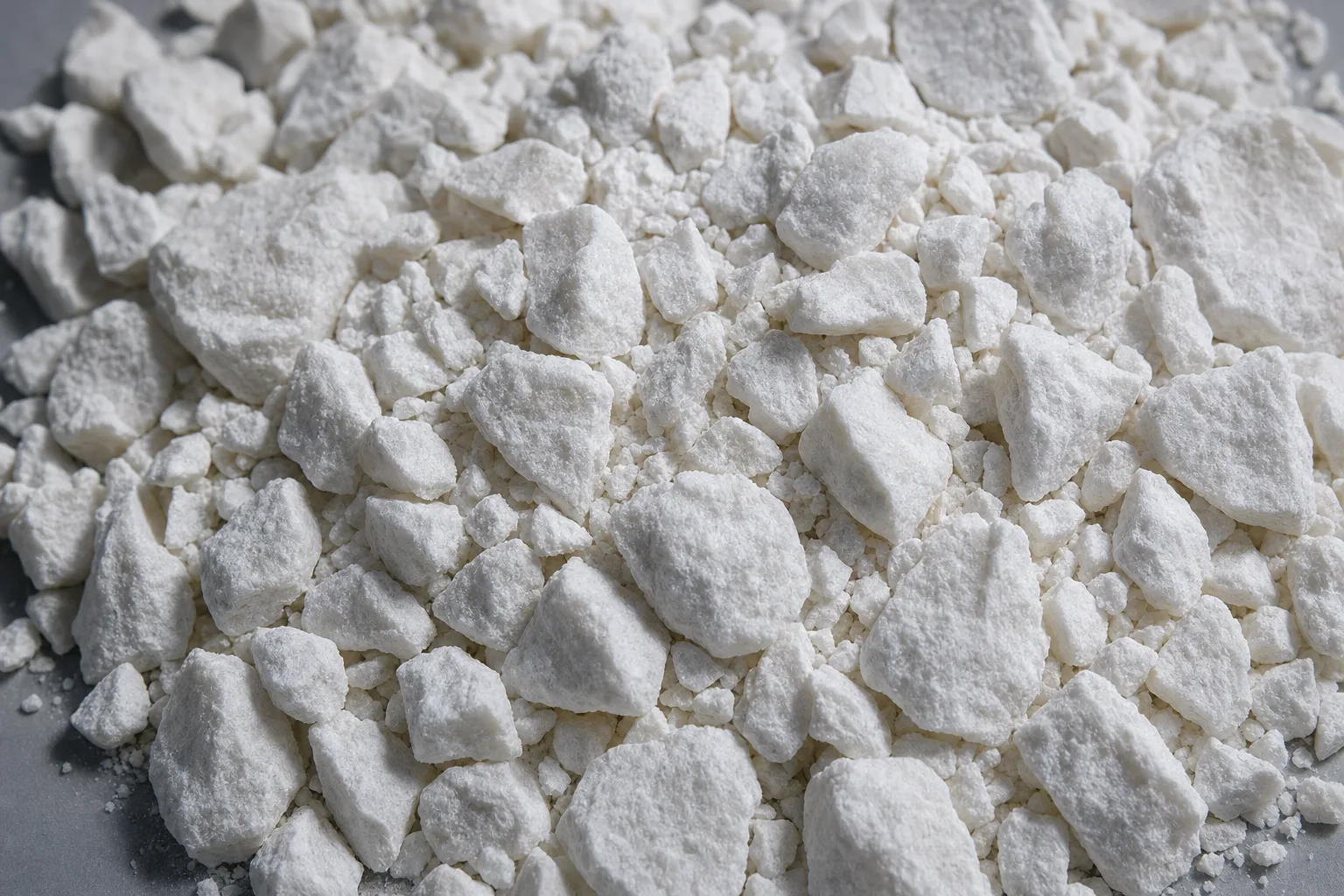
Material
Soda ash is two materials sold under one name, and mixing them up explains most handling complaints.
Dense ash is granular and flows well; light ash is fine, dusty and cakes, and a silo built for one will not serve the other.
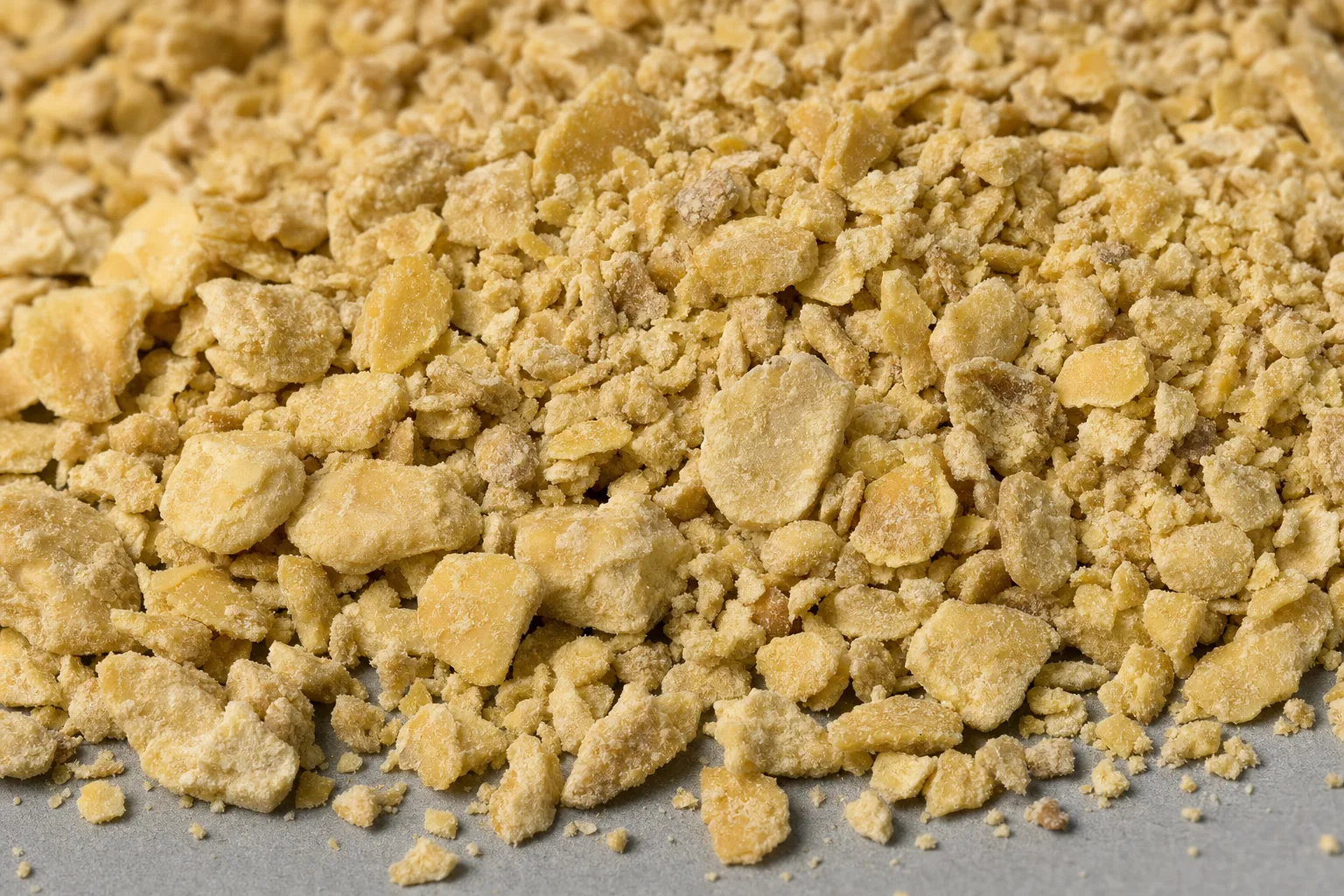
Material
Soybean meal is easy in a laboratory and difficult in a 40,000 tonne silo.
Warm meal from the desolventiser is mildly cohesive, and after weeks of storage under its own weight it consolidates into a mass that gravity alone will not move.
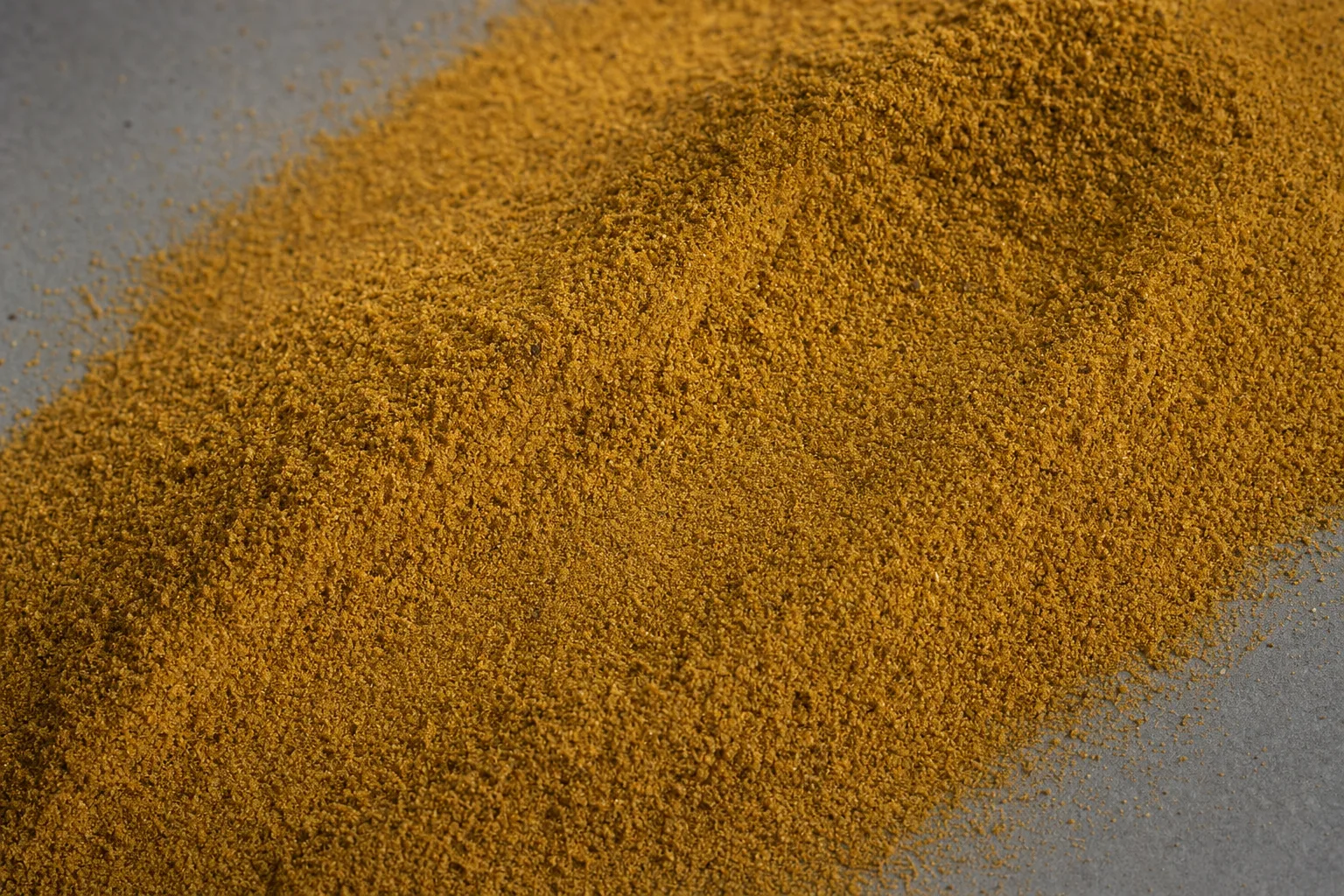
Material
With spices the handling question is almost never throughput, it is what the last product left behind.
The powders are oily, intensely coloured and aromatic, so residue from one recipe is immediately detectable in the next.
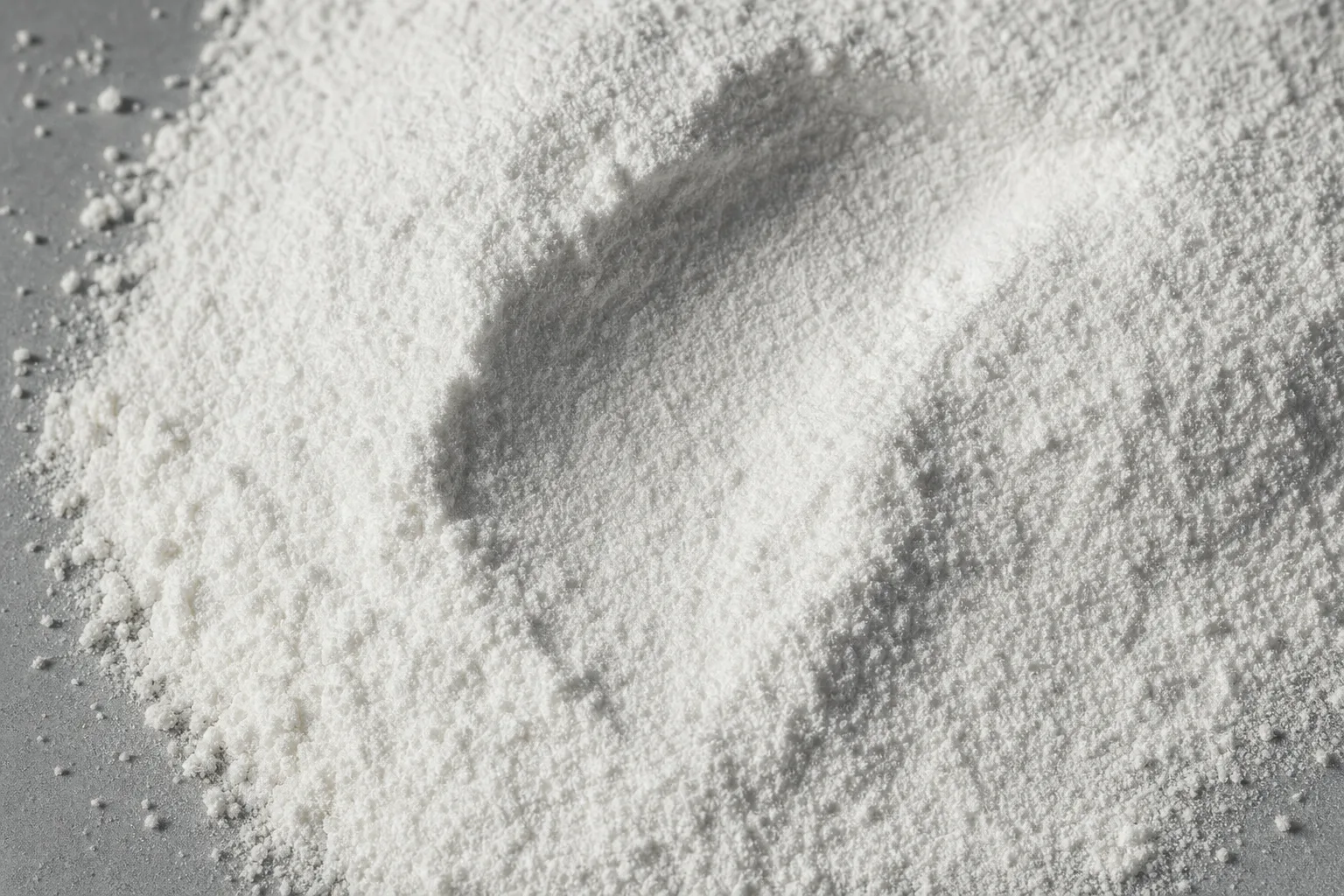
Material
Starch is the powder that taught the industry what a dust explosion is, and it is still one of the most reactive materials in routine use.
It is also ultrafine and aerates so readily that it floods valves and defeats volumetric feeding.
Material
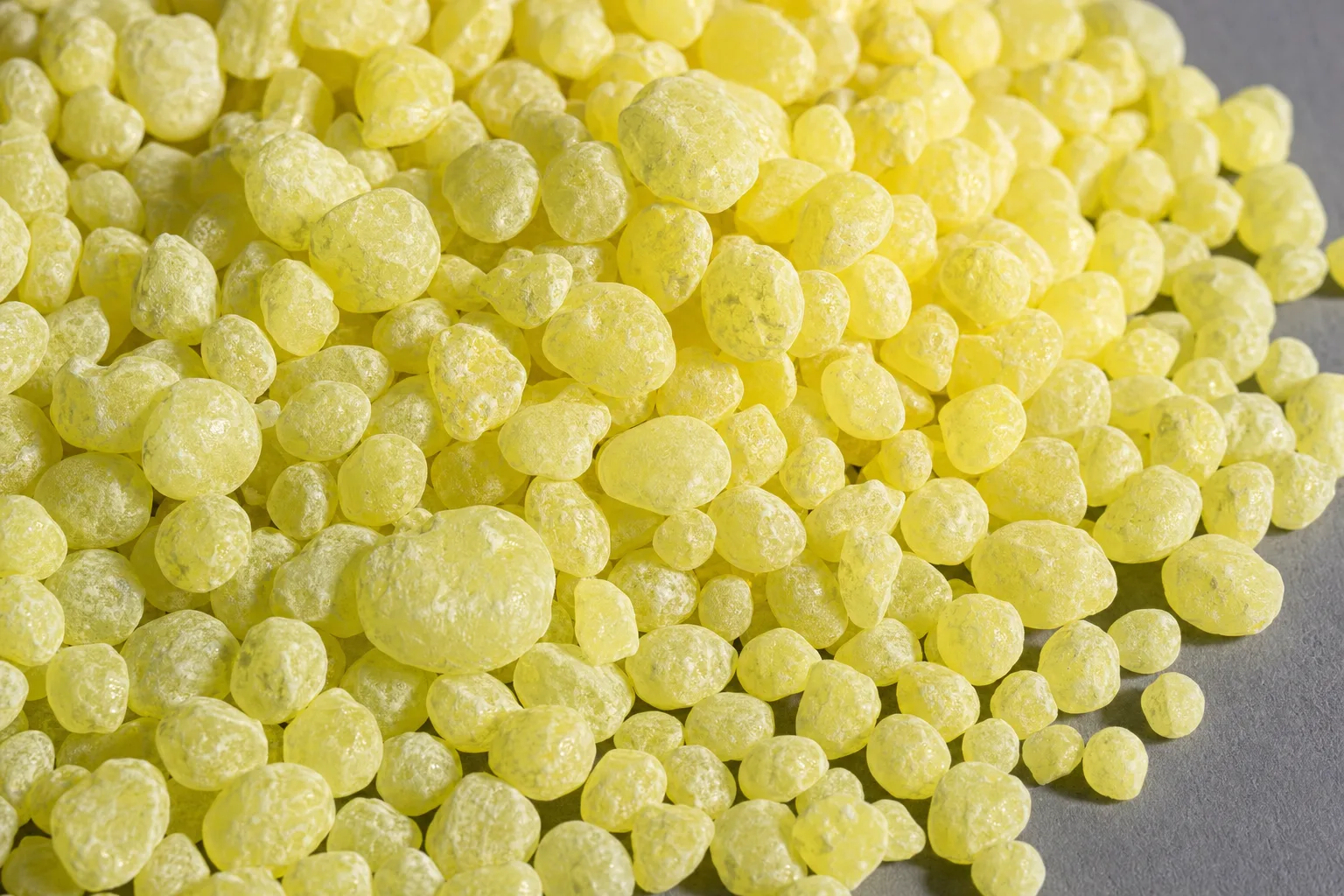
Sulfur dust ignites more easily than most people expect, and it is produced by the handling itself.
Prills and granules abrade against each other at every transfer, and the fine fraction that results is both the explosion hazard and the corrosion source.
Material
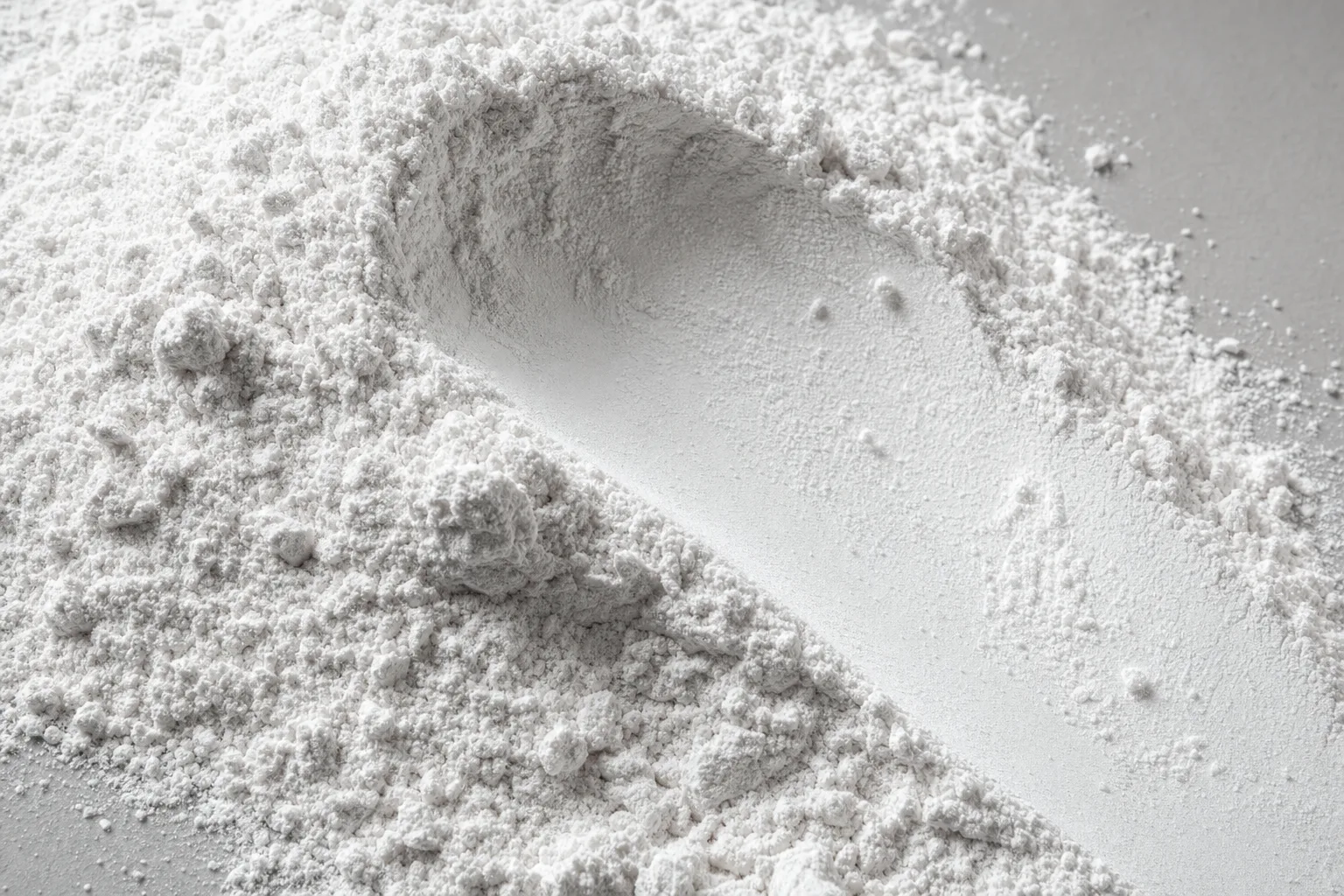
Talc is the material that makes engineers respect particle shape.
The platelets interlock, so the powder arches over large openings, and the same platelets trap air, so it floods through a valve minutes later.
Two plants buy the same rotary valve. One runs it for nine years. The other replaces the rotor after eleven months.
The valve is identical. The material is not.
Bulk solids are not a single class of substance. They are thousands of substances that happen to be divided into pieces, and the division is what makes them difficult. A powder can flow like water in one hour and stand like a wall in the next, after nothing changed but the humidity in the building.
That is why every page in this section starts with the material and works outward to the equipment, rather than the other way round.
Flow behaviour decides the shape of the outlet, the wall angle and whether a discharge aid is needed at all. It is not a single number. The usual measurement is a shear test that produces a flow function, from which the minimum outlet dimension for arching and for ratholing is calculated.
Free-flowing sugar needs a small outlet and no help. A cohesive filter dust may need an outlet three times wider, steeper walls and a live bottom, for the same tonnes per hour.
Many materials gain strength while they sit. Hygroscopic powders take up water and cake. Fine mineral powders consolidate under their own weight.
A silo that discharges correctly on Friday can be solid on Monday. If a material does this, the measurement has to include time consolidation, not just the fresh condition.
Abrasiveness sets the velocity limit and the wear budget. Alumina, sand, cement and fly ash erode bends, valve seats and screw flights, and the damage goes up steeply with speed.
In pneumatic conveying the usual response is dense phase at low velocity rather than dilute phase at high velocity. In mechanical conveying it is a harder liner, a larger radius or a slower belt.
Moisture changes almost everything else. It makes cohesive materials more cohesive, starts hydration in binders such as cement and lime, and turns a free-flowing powder into a crust on the wall.
Where moisture matters, the conveying air is part of the specification: a dew point, a filtration class and, in food plants, an oil-free compressor.
Most organic powders and many metal powders form explosible dust clouds. The design values are the maximum explosion pressure and the deflagration index, measured in a standard test vessel, together with the minimum ignition energy and the minimum ignition temperature.
These numbers decide vent area, isolation and whether an inerting system is required. They are properties of the specific material, not of the material class, and a change of supplier can change them.
A page describes typical behaviour of a named material. It does not replace a test on your material.
Two batches of the same product can differ enough to change the outlet size, because particle size distribution, moisture and additives differ. Where a decision is expensive or safety-related, the sequence is the same everywhere: sample the real material, measure it in a laboratory, then size the equipment from the measurement.
What a page can do is tell you which property is likely to govern, which question to ask the supplier, and which failure mode to look for before it happens.
A material rarely appears alone. It arrives in a bag or a tanker, passes a feeder, a conveyor and a mixer, and leaves in a package.
Each material page therefore links into the technologies that handle it, the industries that use it and the applications where the two meet. If you arrived here with a material in mind, that chain is the fastest way to the equipment decision behind it.
Loose poured density and tapped or consolidated density can differ by a third for a fine powder. A silo sized on the loose figure holds less than planned; a feeder calibrated on the tapped figure runs light after a refill.
Where both matter, both are given.
It is easy to measure and widely quoted, and it tells you roughly whether a material is free flowing or cohesive. It does not give an outlet dimension, because it says nothing about the strength the material gains under consolidation.
Use it to sort materials. Use a shear test to size the hopper.
The deflagration index is measured in a standard test vessel and sorts combustible dusts into bands: St 1 up to 200 bar m/s, St 2 from above 200 to 300, St 3 above 300. Metal dusts such as aluminium commonly reach St 3; most food and plastic powders sit in St 1.
The band decides the scale of the protection, not whether protection is needed. A St 1 dust in a confined vessel is still an explosion.
Most handling problems trace back to the fines, not the average. A free-flowing granule with ten percent fines behaves like the fines in a silo, because the fines fill the gaps, carry the load and bridge the outlet.
When a material changes supplier and starts causing trouble, the distribution is the first thing to compare.
Partner with powderbulkvideos.com
Build a connected company, video and technology presence with clearly labelled partner visibility and measurable placement performance.