
FAQ
Rotary Valves Frequently Asked Questions
Answer in brief
A rotary valve moves bulk solids through a rotating pocketed rotor and can serve as a feeder, a discharge device, or an airlock between zones at different pressures.
It never seals perfectly: the clearances that let the rotor turn always pass some gas. Leakage, pocket filling, wear, and pressure rating therefore have to be checked together for the specific material and duty.
By Editorial Team · Published July 13, 2026 · Updated July 11, 2026
Engineering visual guide
How the system behaves
These conceptual diagrams connect the operating principle, equipment internals and engineering review points. They are explanatory and not fabrication drawings or a substitute for project-specific calculations.
Engineering infographic
System architecture and interfaces
Conceptual system architecture and interface map for Rotary Valves; use it to structure an engineering review, not as a fabrication drawing or project-specific design.
Engineering infographic
Verification and acceptance checklist
Conceptual verification and acceptance checklist for Rotary Valves; use it to structure an engineering review, not as a fabrication drawing or project-specific design.
Partner with powderbulkvideos.com
Put your expertise beside the decisions engineers are making.
Connect a relevant company profile and technical video portfolio with clearly labelled visibility on this topic.
Frequently asked questions
What is a rotary valve used for?
It transfers bulk solids between process stages and may provide controlled discharge, volumetric feeding, or an airlock between zones at different pressures.
What is the difference between drop-through and blow-through rotary valves?
A drop-through valve discharges material through its lower opening. A blow-through design introduces conveying air through the rotor area to help move material directly into a pneumatic conveying line.
Does a rotary valve create a perfect air seal?
No. Operating clearances permit some leakage. The amount depends on pressure differential, design, clearances, wear, speed, and whether rotor pockets contain material.
Can a rotary valve meter material accurately?
It can provide volumetric feeding, but accuracy depends on stable pocket filling, material bulk density, speed, pressure effects, and design. Higher-precision dosing may require a dedicated feeder or feedback control.
What causes a rotary valve to jam?
Possible causes include oversized particles, foreign objects, product buildup, insufficient clearances, thermal expansion, bearing or drive problems, and unsuitable rotor geometry. Isolate the equipment before inspection.
How is rotary valve capacity determined?
Capacity depends on usable pocket volume, rotor speed, filling efficiency, material bulk density, and operating conditions. Manufacturer calculations should use representative material and system data.
How do I reduce rotary valve wear?
Potential measures include lower speed, suitable construction materials, wear-resistant surfaces, replaceable wear parts, optimized clearances, and preventing unnecessary pressure or material loading.
How often should a rotary valve be inspected?
Inspection frequency should follow the manufacturer guidance and site risk assessment, accounting for duty cycle, material abrasiveness, temperature, pressure, and consequences of failure.
Can a rotary valve be used in food processing?
A suitable design may be used, but cleanability, materials, seals, surface finish, retention points, inspection access, and required documentation must be verified for the exact application.
What safety information is needed before selection?
Identify combustible-dust hazards, hazardous-area classification, temperature limits, ignition risks, pressure conditions, isolation strategy, and applicable site or regulatory requirements.
Why does product bridge above a rotary valve?
Bridging can result from cohesive material, hopper geometry, compaction, moisture, poor venting, or an inlet that does not match the flow pattern. The entire hopper-valve interface should be assessed.
When should I ask for material testing?
Testing is valuable when flow behavior, degradation, abrasion, leakage, pocket filling, or required throughput cannot be predicted reliably from existing representative data.
Related content
Continue exploring
Move from this page to the companies, videos and technical topics that add useful context.
Companies
Videos
ACS Valves
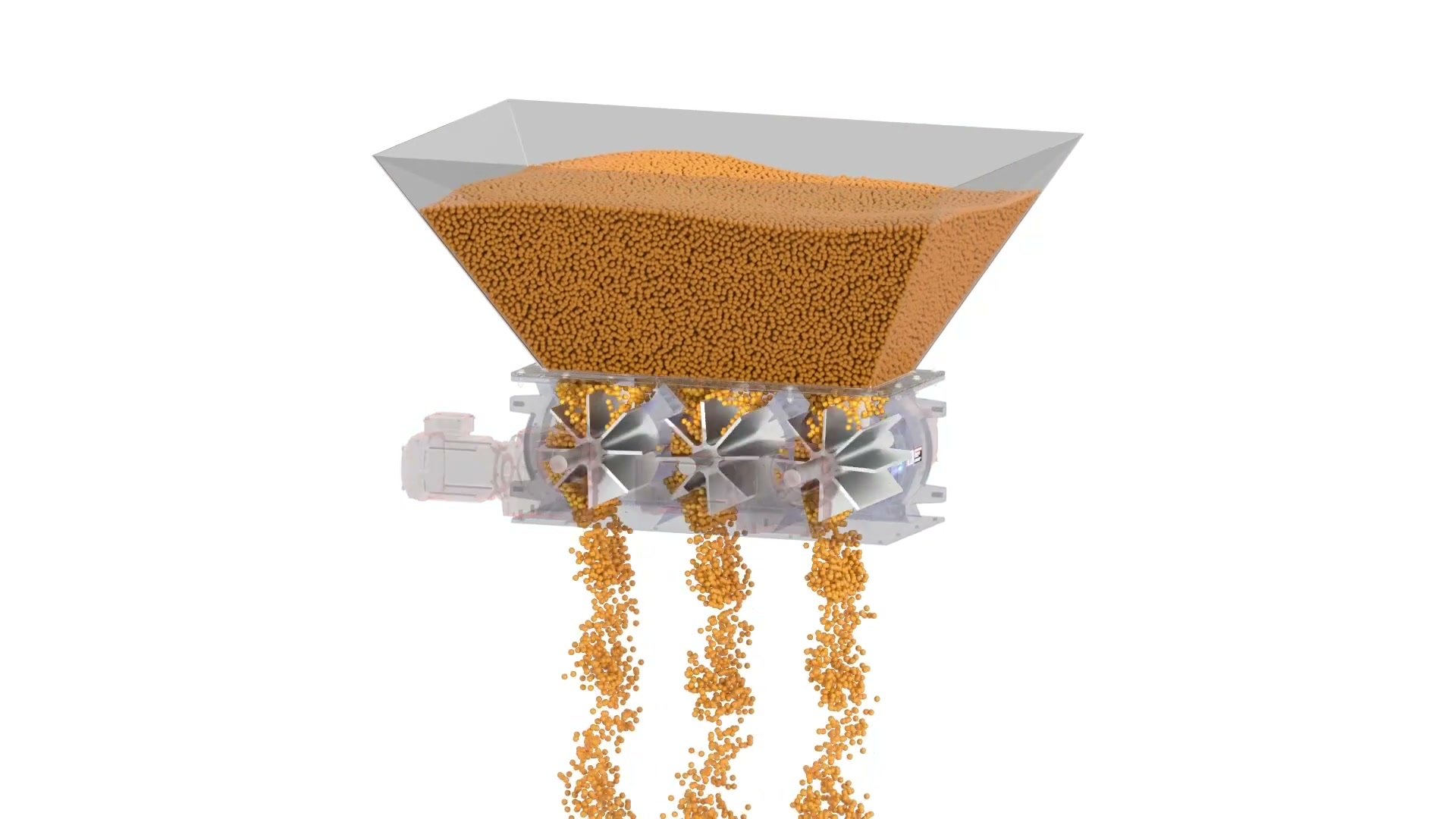
ACS Multi-Port Rotary Valve in 3D
ACS Valves uses a 3D animation to explain a multi-compartment rotary-airlock arrangement for high-volume discharge duties with independent rotors and drives.
ACS Valves
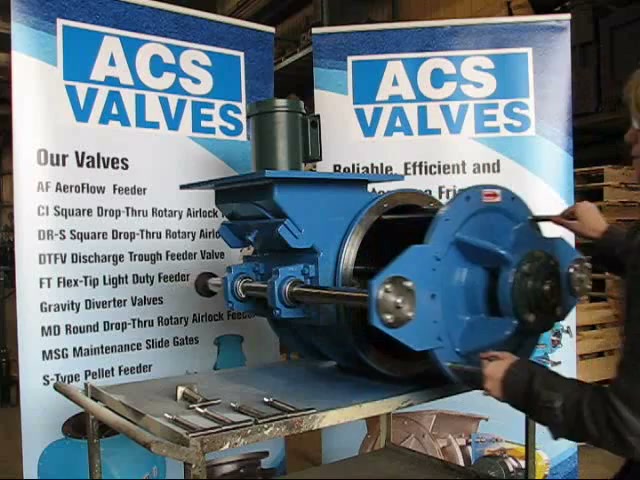
ACS Quick Clean Rotary Valve Demonstration
In this 65-second ACS Valves clip, a presenter opens a Quick-Clean rotary valve without tools: handles release, the rotor and endplate slide out on RotorRail supports, and a locating key guides reassembly. What the demo establishes is physical access to the product-contact zone — cleaning validation and sanitary certification still depend on the supplied model and the site's procedure.

Airlock
Airlock: Dairy Standard Rotary Valves
Airlock video on the DCSR Version 2.0 rotary valve range (2T and 2TE): drop-through and blow-through configurations for feeding, metering, and pneumatic conveying, with a detachable rotor and end cover for cleaning access in dairy service.
Total reach: 20,548
Coperion
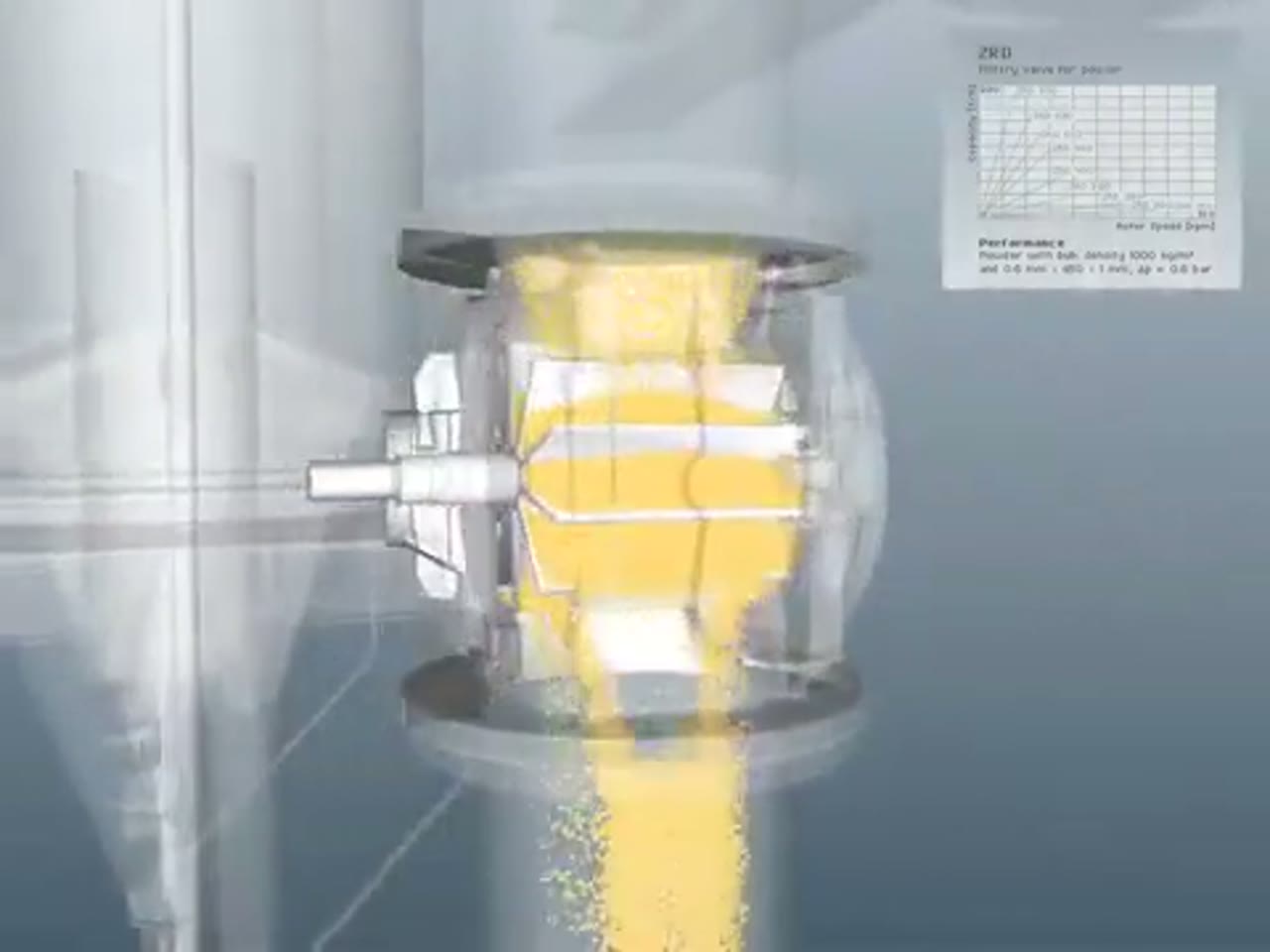
Coperion ZRD Rotary Valve for Powder Applications
Coperion presents the ZRD rotary valve and the design choices that adapt it to powder discharge, metering and pneumatic-conveying service.
Total reach: 10,318
DMN-WESTINGHOUSE
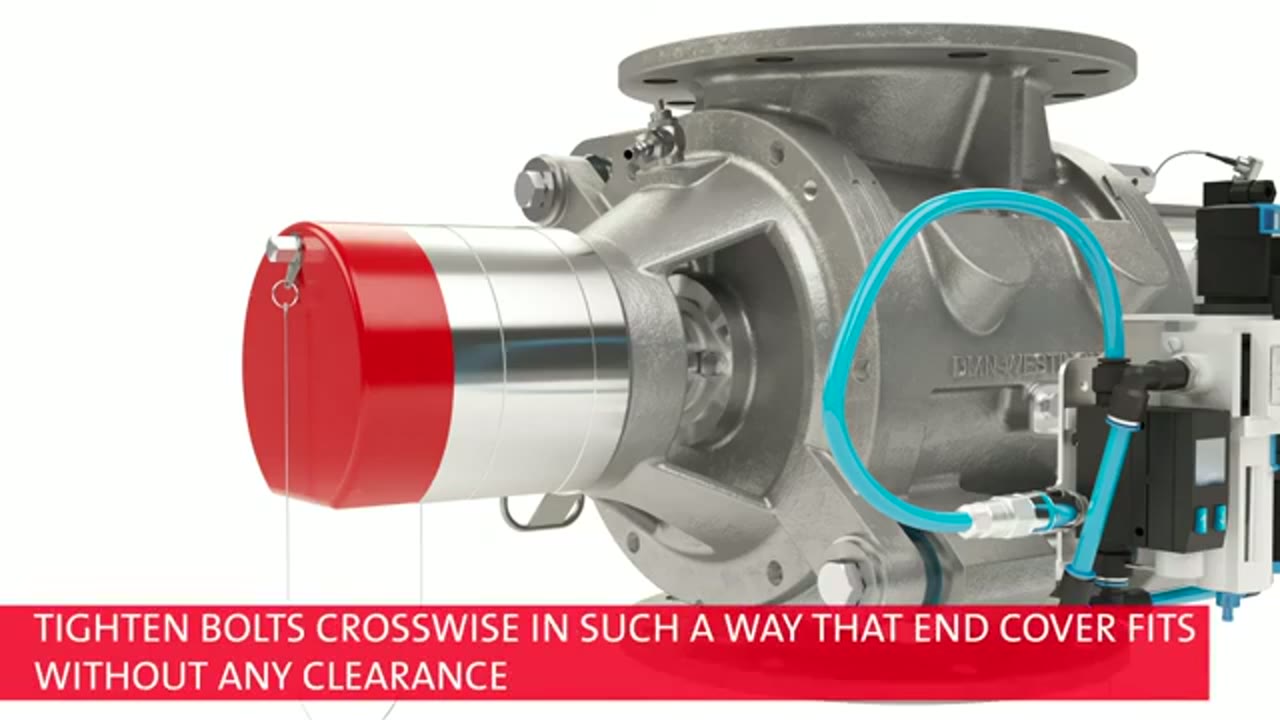
DMN-WESTINGHOUSE MZC-II Basic Inspection and Cleaning
DMN-WESTINGHOUSE demonstrates the basic inspection and cleaning context for an MZC-II rotary valve and states the safety boundary for maintenance work.
Total reach: 2,148

Prater Industries
How To Select The Proper Rotary Airlock Valve
Prater Industries explains the process information engineers need before choosing and sizing a rotary airlock valve.
Total reach: 3,598

Kice Industries
Kice VJX Airlock Installation
Kice Industries demonstrates installation considerations for its VJX airlock at a dry-bulk process interface.

KREISEL Industries GmbH
Kreisel: Screw Pump vs. Rotary Valve
This video presents KREISEL rotary valves and the process duties that distinguish a rotary valve from alternative feeding equipment.
Total reach: 6,222