
Technology guide
Feeding & Dosing Control
Answer in brief
Feeding and dosing control converts a target rate or batch mass into feeder action, verified by weighing or flow measurement. Accuracy depends as much on stable powder flow, refill design, and measurement dynamics as on the control loop itself. No amount of tuning rescues uncontrolled powder flow or a feeder that is the wrong size.
By Editorial Team · Reviewed July 14, 2026 · Updated July 26, 2026

Sponsored visibility
Featured Feeding & Dosing Control videos
Paid placements are clearly marked and remain separate from the editorial related-video selection.
A dosing loop compares measured delivery with a target and adjusts feeder output. The useful control period depends on the process. A packaging batch may require a precise final mass, while continuous blending requires stable component flow through time.
Function in the process
Loss in weight systems infer flow from the change in vessel weight. Gain in weight systems measure material accumulated in a receiver. Volumetric systems use speed and calibrated delivery. Each method has characteristic errors during refill, vibration or changing bulk density.
The controller receives a measurement filtered over time and commands a mechanical device with its own delay. Material then travels to the next process. These delays determine how quickly a disturbance can be detected and corrected.
Material behavior comes first
Bulk solids do not behave like liquids. Cohesion, wall friction, compressibility, permeability, particle shape, moisture and storage time influence whether material reaches the device and how it passes through. Research on food powders shows that particle size and bulk density alone cannot reliably predict flow or wall friction. Representative flow testing is therefore important when failure has serious consequences.
Engineering inputs
- Target range and required accuracy period.
- Material flow and density variability.
- Scale capacity, resolution and environmental vibration.
- Refill method and refill frequency.
- Feeder response and usable turndown.
- Downstream residence time and disturbance tolerance.
The upstream bin, outlet and downstream equipment must be designed with the device, a point long established in guidance on selecting and sizing feeders, bins and stockpiles. A feeder cannot correct a hopper that forms a stable arch. A shutoff gate cannot control flow reliably when it is used as a metering device. A pressure boundary cannot be assumed from the equipment name; for pneumatic conveying, see published analyses of rotary valve leakage and handling rotary airlock leakage.
Engineering infographic
Operating sequence
Conceptual operating sequence for Feeding & Dosing Control; use it to structure an engineering review, not as a fabrication drawing or project-specific design.
Capacity and control
Tuning should reflect the feeder and measurement dynamics. Excessive correction can create oscillation. Heavy filtering can hide a short interruption. Refill compensation needs evidence from the actual material and refill sequence.
Controls should distinguish commanded position or speed from actual process performance. Position feedback, motor load, mass flow, weight change or downstream pressure can reveal different failure modes. The useful signal depends on the duty.
Common failure modes
- False weight change from vibration.
- Refill disturbs feeder discharge.
- Bridge causes zero flow despite normal speed.
- Poor calibration outside the normal range.
- Control output saturates at an undersized feeder.
Inspection should establish baseline leakage, wear, torque, noise and cycle time. A trend away from that baseline can identify deterioration before capacity is lost or a seal fails.
Safety and maintenance
Automatic restart and remote commands require controlled access and warning. Recipe selection, permissives and material identity are quality and safety functions. Manual operation should not bypass critical interlocks without an authorized procedure.
Moving rotors, blades and actuators require guarding and energy isolation. Stored bulk material can move after a drive stops. Pressure, vacuum and combustible dust hazards must be included in the safe work method for opening or removing the device.
Selection and acceptance sequence
- Define the material range and process duty.
- Confirm bin flow and outlet geometry.
- Set capacity, pressure and leakage requirements.
- Review wear, cleaning and contamination risks.
- Select instrumentation and failure response.
- Test the complete interface under representative conditions.
- Document maintenance limits and spare parts.
Engineering infographic
Functional zones and interfaces
Conceptual functional zone schematic for Feeding & Dosing Control; use it to structure an engineering review, not as a fabrication drawing or project-specific design.
How to select Feeding & Dosing Control
Before comparing feeders, define the material and its flow and density variability, the accuracy and averaging period the process needs, the refill method and frequency, and how much disturbance the downstream process tolerates. Then confirm the complete interface under representative conditions rather than relying on steady-state figures alone.
Partner with powderbulkvideos.com
Place your video in the engineering context buyers are researching.
Use a relevant company profile and technical video to demonstrate this technology before engineers reach the supplier shortlist.
Engineering infographic
Engineering review envelope
Conceptual engineering review envelope for Feeding & Dosing Control; use it to structure an engineering review, not as a fabrication drawing or project-specific design.
Continue your research
Feeding & Dosing Control guides and answers
Popular on powderbulkvideos.com
Popular Feeding & Dosing Control videos


Gericke AG
Gericke: GUC-F Feeding and Dosing Controller
This video presents the Gericke GUC-F Feeding and Dosing Controller, a multi-channel control system designed for precise feeding, dosing, and weighing tasks in powder and bulk solids processing. The controller supports demanding process requirements across a wide range of industries where accuracy, reproducibility, and process transparency matter.
Total reach: 3,523
Coperion
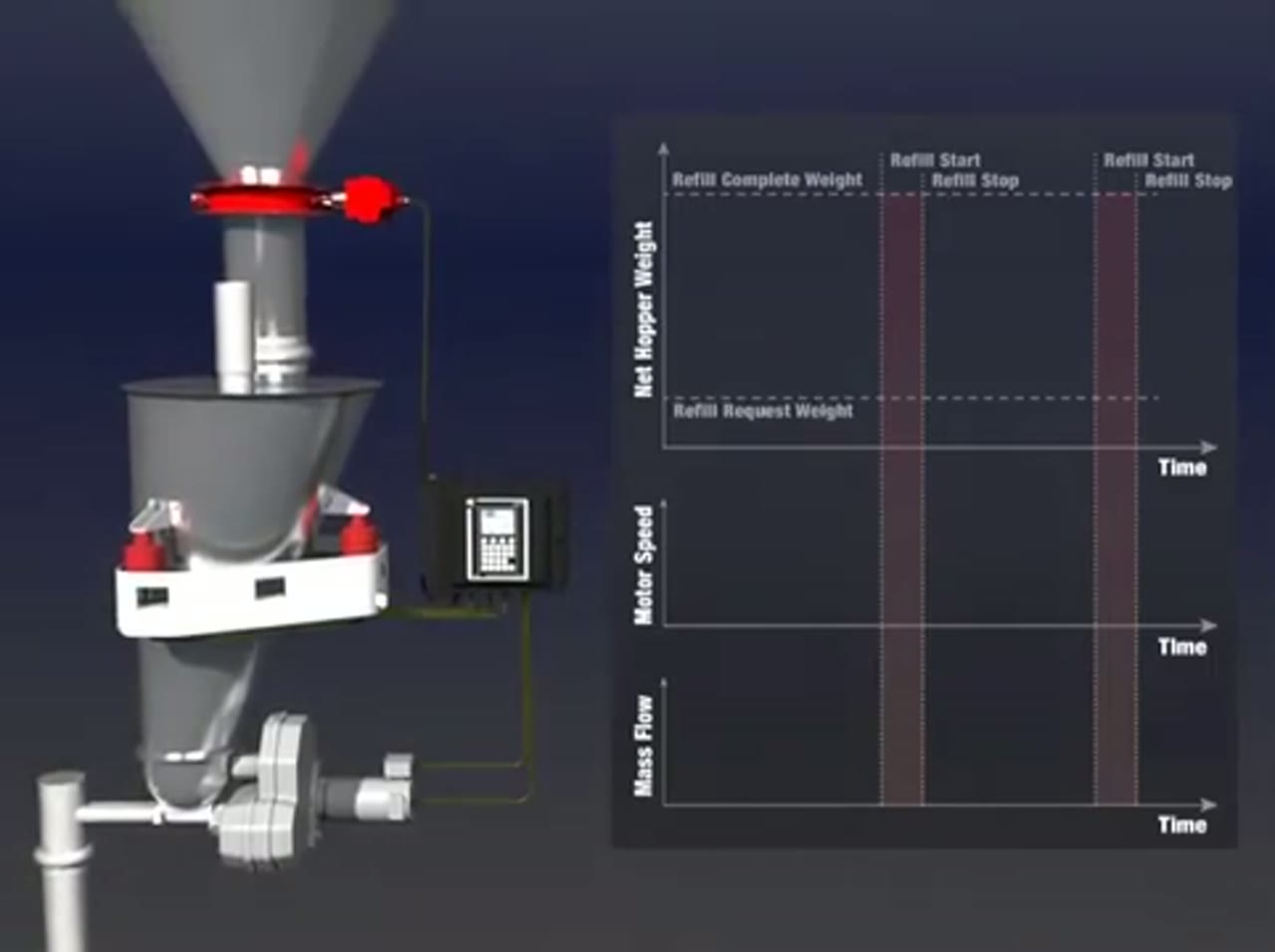
Coperion Loss-in-Weight Feeder Animation
The Coperion K-Tron animation shows a controller observing the decrease in combined hopper, feeder and material weight, comparing the measured rate with the setpoint and adjusting feeder output.
Total reach: 42,975
Brabender Technologie GmbH & Co. KG
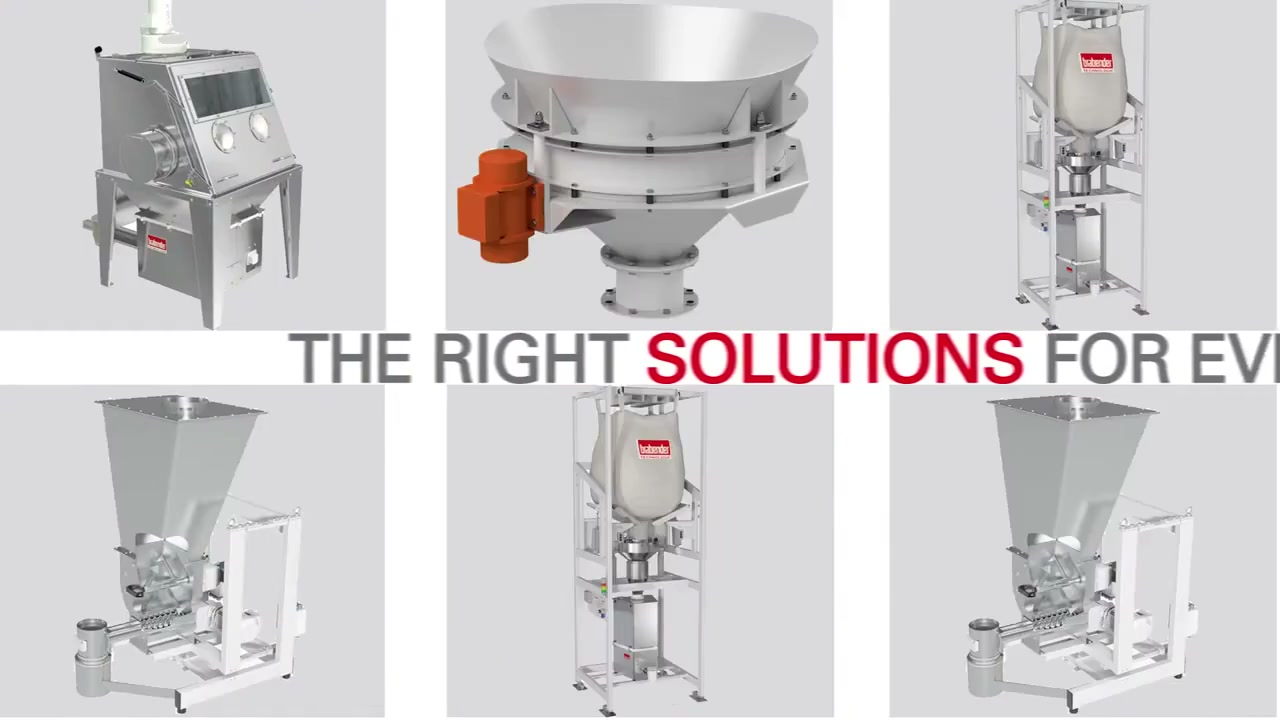
Food feeding technology by Brabender Technologie
Brabender Technologie presents its gravimetric and volumetric feeding systems for the food industry, the equipment that meters an ingredient into a process at a controlled rate.
Total reach: 1,755

AZO
AZO DOSITAINER with Discharge Base
AZO demonstrates a DOSITAINER with discharge base in an ingredient-handling and dosing context.
Dinnissen
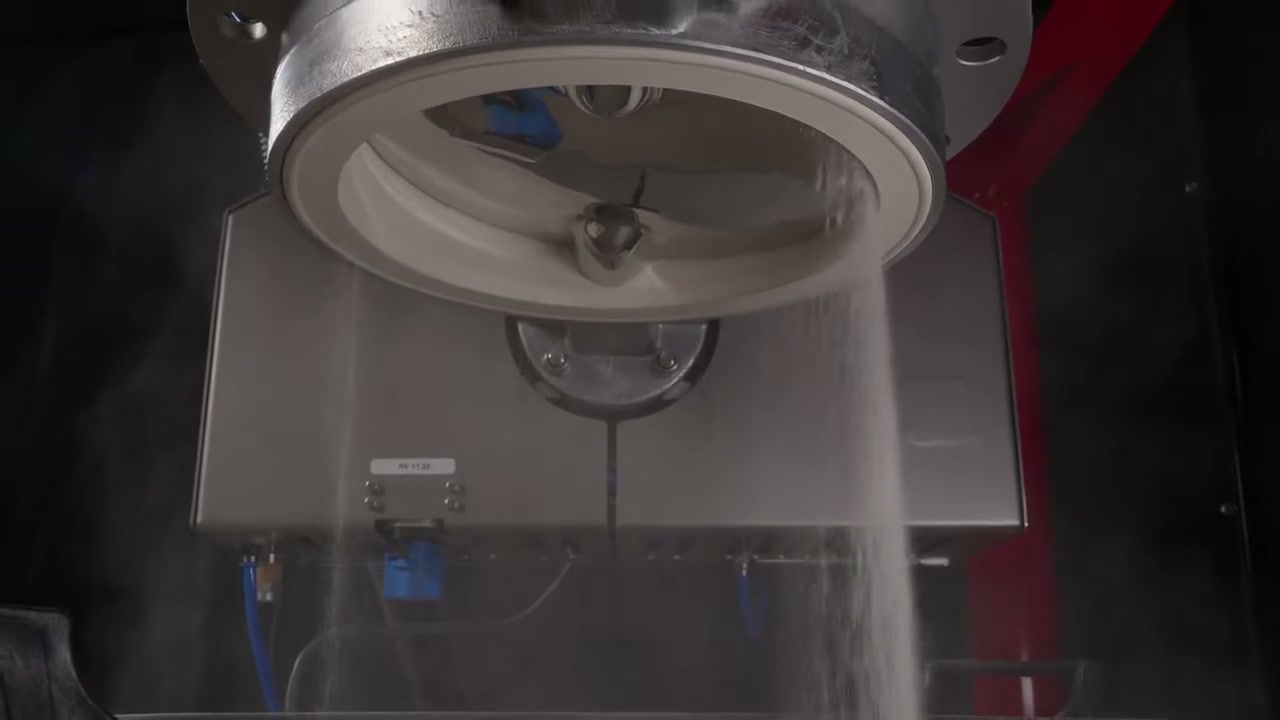
Feeder Valve
Dinnissen Process Technology shows a feeder valve developed for powder dosing at an accuracy that the older generation of equipment could not reach.

WAMGROUP
Tubular Screw Conveyors and Feeders
WAMGROUP presents enclosed tubular screw conveyors and feeders used to transfer or meter powders and bulk solids.
Supplier discovery
Companies demonstrating Feeding & Dosing Control
Frequently asked questions
When is gravimetric control preferable to volumetric feeding
Gravimetric control is useful when mass-rate accuracy must be maintained despite bulk-density or refill variation and the process can support suitable weighing and control dynamics.
Why should refill behavior be included in feeder acceptance
Material loading changes and disturbance during refill can alter measured rate, screw fill and control response even when steady-state performance is acceptable.
Related content
Continue exploring
Move from this page to the companies, videos and technical topics that add useful context.